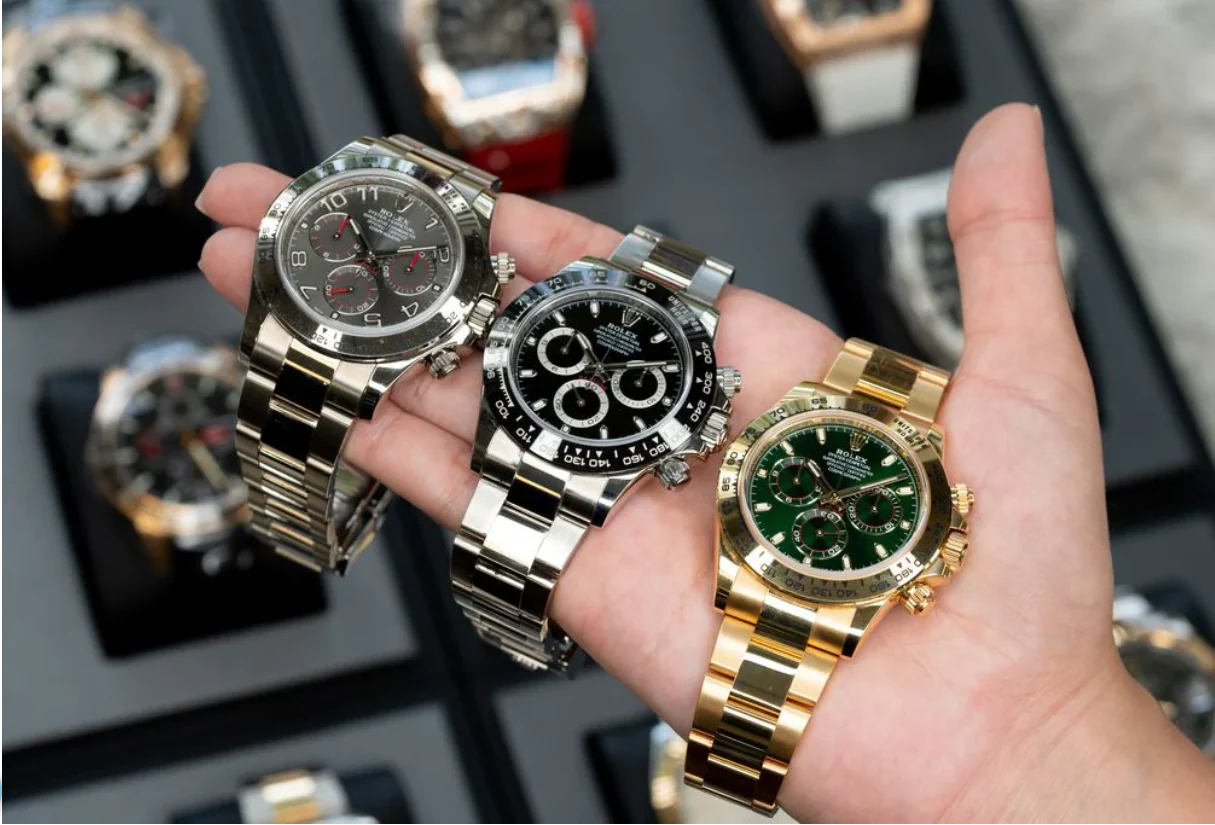
Luxury watches tell time. They also tell stories.
Some have crossed oceans. Others have been worn in courtrooms, boardrooms, and family celebrations. Many become part of a person’s history.
That is why the best watches are about more than appearance.
They teach lessons about value, scarcity, patience, and decision-making.
Those lessons apply to business just as much as they apply to collecting.
Price and Value Are Not the Same Thing
People often confuse price with value.
A high price does not automatically make something valuable. A lower price does not automatically make something ordinary.
Luxury watches remind us of that.
Some watches become highly sought after because they represent exceptional craftsmanship. Others become valuable because very few exist. Some hold sentimental value that cannot be measured by any market.
During Episode 19 of Swimming With The Sharks, Tony Buzbee sat down with a watch expert to discuss what really drives value in luxury watches. The conversation challenged many common assumptions about collecting and explained why patience and knowledge matter more than chasing the latest trend.
The episode is available at https://buzbeepod.com/ and on Apple Podcasts at https://podcasts.apple.com/us/podcast/swimming-with-the-sharks/id1840206784.
One story from the discussion involved collectors who spend months researching a single watch before making a purchase.
“They know the production history,” the guest explained. “They know which dial variations matter. They know what has been replaced over the years. By the time they buy, they’re not guessing.”
That same approach works in business.
Scarcity Changes Everything
Scarcity creates attention.
Not because something is expensive.
Because something is difficult to replace.
Luxury watch manufacturers intentionally produce limited quantities of certain models. Waiting lists for some brands stretch for years.
Morgan Stanley and LuxeConsult estimate that Rolex alone accounts for roughly 30% of the global luxury watch market, while brands like Patek Philippe and Audemars Piguet produce far fewer watches each year, making many models difficult to obtain.
Scarcity changes how people think.
It forces patience.
It rewards planning.
Businesses face similar situations.
Limited inventory.
Specialized talent.
Unique opportunities.
The question becomes simple.
Do you act because something is scarce?
Or because it truly creates value?
Scarcity Should Never Replace Research
People often rush because they fear missing out.
That leads to poor decisions.
Experienced collectors slow down instead.
One watch dealer described a customer who walked away from three opportunities before finding the right piece.
“He told me he’d rather wait another year than spend twenty years wishing he had chosen differently.”
Patience protected the decision.
Smart Buyers Focus on Quality
Luxury watches contain hundreds of small components working together.
One weak part affects everything else.
The same applies to business.
Quality rarely comes from one impressive feature.
It comes from consistency.
Swiss watch exports reached more than 26 billion Swiss francs in 2024, according to the Federation of the Swiss Watch Industry. Buyers continue paying premium prices because they associate established brands with reliability, craftsmanship, and long-term quality.
That trust develops over decades.
Companies build trust the same way.
One product.
One customer.
One decision at a time.
Ask Better Questions Before Buying
Experienced collectors ask different questions.
Who serviced this watch?
Are all the original parts still present?
What is the maintenance history?
Those questions often matter more than the brand name.
Business leaders benefit from asking similar questions before making investments.
What supports this decision?
What risks exist?
What information is still missing?
Emotions Can Be Expensive
Luxury purchases often become emotional.
That creates risk.
Excitement encourages people to ignore warning signs.
Smart collectors recognize that feeling.
Then they slow down.
One expert recalled a buyer who found what looked like the perfect vintage watch.
“The dial looked flawless,” he said. “But the case had been polished so many times that it had lost its original shape. Waiting one more day saved him thousands.”
The lesson reaches far beyond watches.
Pressure encourages fast decisions.
Strong decision-makers pause long enough to verify the facts.
Reputation Matters More Than Marketing
Collectors rarely buy from strangers without research.
They value reputation.
Established dealers build credibility through consistent behavior.
One successful transaction is helpful.
Hundreds create trust.
Research by Edelman consistently shows that trust remains one of the strongest factors influencing purchasing decisions across industries.
That principle appears everywhere.
Customers remember reliability.
Employees remember honesty.
Partners remember consistency.
Tony Buzbee has often emphasized that long-term reputation grows from repeated performance rather than isolated success.
Luxury watch collectors understand that idea well.
The most respected collections are built patiently.
The strongest businesses grow the same way.
Small Details Separate Great From Average
Watch experts often notice details that casual buyers miss.
A slightly different bezel.
A corrected serial number.
A replacement crown.
Small differences create large changes in value.
Technology companies think the same way.
Engineers spend months improving tiny features that users barely notice.
Those improvements create better products.
Business leaders should adopt the same mindset.
Pay attention to details early.
Small corrections prevent larger problems later.
Build Knowledge Before You Spend
Knowledge creates confidence.
Confidence improves decisions.
Collectors study reference numbers.
Production years.
Market history.
Business leaders should study markets with the same discipline.
The more information available, the fewer surprises later.
Five Practical Lessons From Luxury Watches
Luxury watches offer practical lessons that apply to almost every profession.
Buy With Purpose
Know why something matters before committing resources.
Be Patient
Waiting often improves the quality of a decision.
Protect Your Reputation
Trust grows slowly.
Protect it carefully.
Study Before Acting
Research reduces unnecessary mistakes.
Appreciate Long-Term Value
Quick excitement fades.
Quality lasts.
The Best Decisions Age Well
Luxury watches have remained desirable for generations because they reward patience, craftsmanship, and thoughtful ownership.
Business leadership works much the same way.
The strongest organizations focus on quality instead of shortcuts.
They value trust instead of hype.
They understand that scarcity alone does not create value.
Real value comes from substance.
Whether someone is building a watch collection, leading a company, or making an important purchase, the goal remains the same.
Slow down.
Ask better questions.
Look beyond today’s excitement.
The best decisions continue creating value long after the moment they are made.