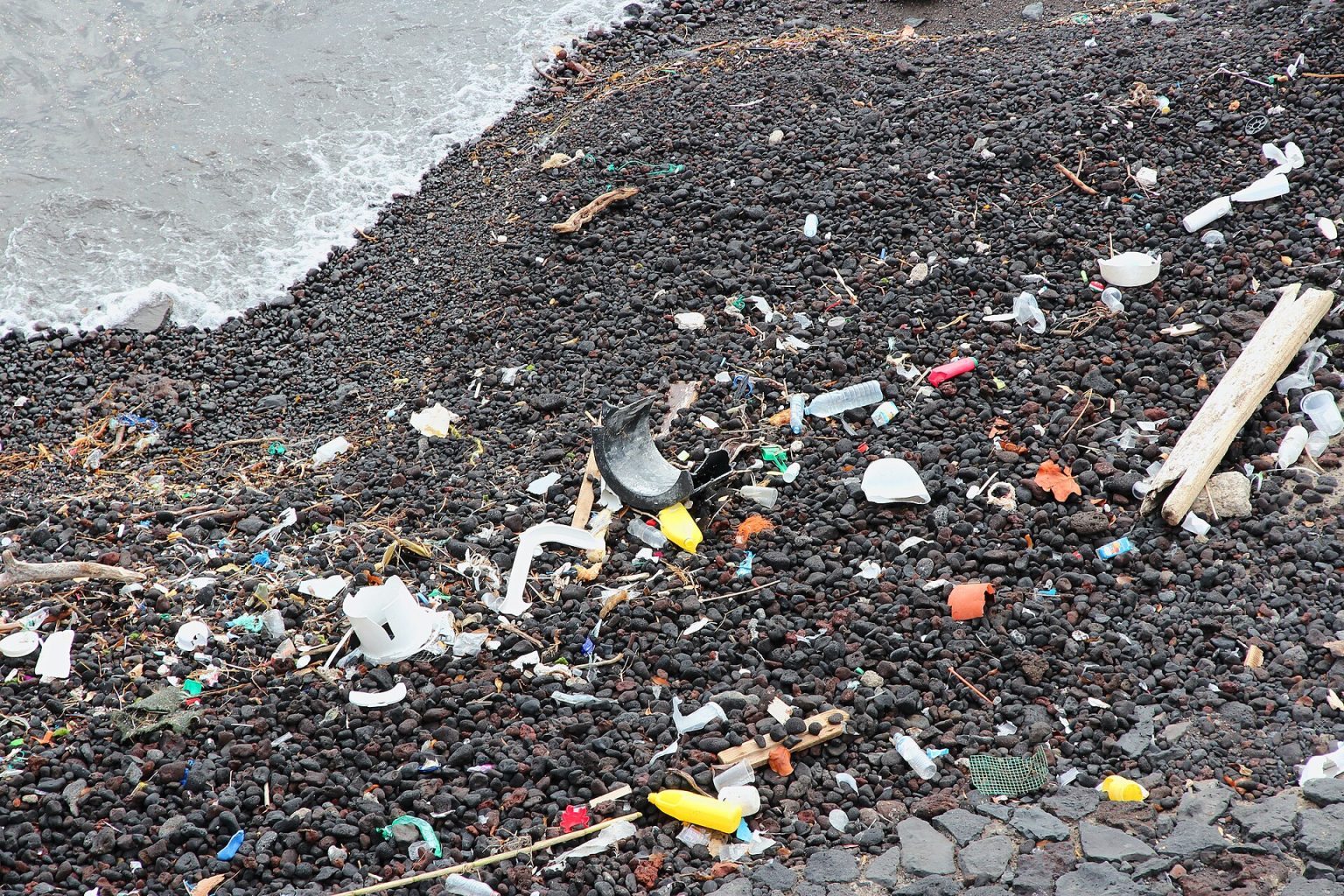
The measurements arrived in a drumbeat: microplastics in Arctic snow, in deep-sea sediment, in drinking water, in human blood, lungs and placentas. Plastic’s durability — its miracle property — means every fragment ever shed persists, breaking down into smaller pieces rather than away. Scientists can now find these particles anywhere they look with sufficiently fine instruments. The harder, more important work has begun: establishing what, if anything, this exposure does to living bodies, at the doses the real world actually delivers.
The exposure science is genuinely solid. Studies surveyed by the World Health Organization and environment programmes under the United Nations confirm that people ingest and inhale microplastics daily, mainly from indoor air and dust, food packaging and synthetic textiles. The particles are a motley class — many polymers, shapes and additive chemicals — which is precisely what makes toxicology hard: “microplastics” is a category like “vehicles”, spanning the harmless and the hazardous. The first high-profile clinical signals, including a study associating plastics detected in arterial plaque with higher cardiovascular event rates, are provocative rather than conclusive — association in sick patients, not proof of mechanism.
The Research Frontier
The field’s agenda is now methodological: standardise measurement so studies can be compared, dose laboratory work at realistic levels instead of drowning cells in plastic, and track which polymers and additives — flame retardants, plasticisers — carry the actual risk. Source control, meanwhile, does not need to wait for verdicts: tyre wear, synthetic clothing fibres and pellet spills dominate emissions inventories, and each has engineering fixes, from washing-machine filters to tyre design. Policy is moving on that logic, with microplastic restrictions entering chemical regulation in Europe and treaty negotiations attempting a global frame. Follow the research in our science coverage.
Concern, Calibrated
Reducing Exposure While Science Decides
For readers wondering what to do before the toxicology settles, exposure science offers a defensible interim list. The largest documented intakes come from indoor air and dust, drinking water and the dustier corners of the food chain — and the effective responses are unglamorous: ventilate and vacuum with filtration, favour tap water from well-run municipal systems over bottled where quality allows, avoid heating food in plastic, and treat synthetic-fleece laundry as a fibre source worth a filter. None of this requires panic or expensive detox theatre; it is the same hierarchy of controls occupational hygiene applies to any contaminant under study. The researchers are careful to add that individual action is the small half of the answer — tyre wear, textile shedding and paint weathering are infrastructure problems with infrastructure solutions. The plastic century will be cleaned up the way it was built: mostly by systems, slightly by shopping.
Agriculture is where the soil findings bite first. Plastic mulch films, sewage sludge spread as fertiliser and irrigation water all deliver particles to farmland at rates that, by some estimates, exceed what falls on the oceans — and soil is not a passive bin: earthworms, microbes and root systems interact with the particles in ways that can alter structure, water retention and the microbial communities crops depend on. The long-running field experiments now under way are agriculture’s attempt to learn in a decade what it took a generation to learn about pesticides. The farmers reading the results have the most at stake and, characteristically, the least patience for either panic or complacency.
The honest summary is two-handed. A civilisation-scale experiment is running — a novel material dispersed through every ecosystem and body, essentially unmonitored until recently — and prudence argues for cutting exposure where it is cheap to do so. Panic, however, is not a measurement. The scientists doing the careful work ask for the same thing in both directions: evidence strong enough to act on, gathered faster than the particles accumulate. On current trajectories, they may get it. The rain, meanwhile, keeps falling — and now we know what is in it.