The human brain is routinely described as evolution’s masterpiece: large, flexible and capable of language, mathematics, art and self-reflection. A growing body of evolutionary thinking offers a less flattering companion story. The same design choices that made our brains so capable may also have set them up for failure — for mental illness, cognitive decline and a long, vulnerable old age that few other species experience.
An Expensive Organ Built on Trade-Offs
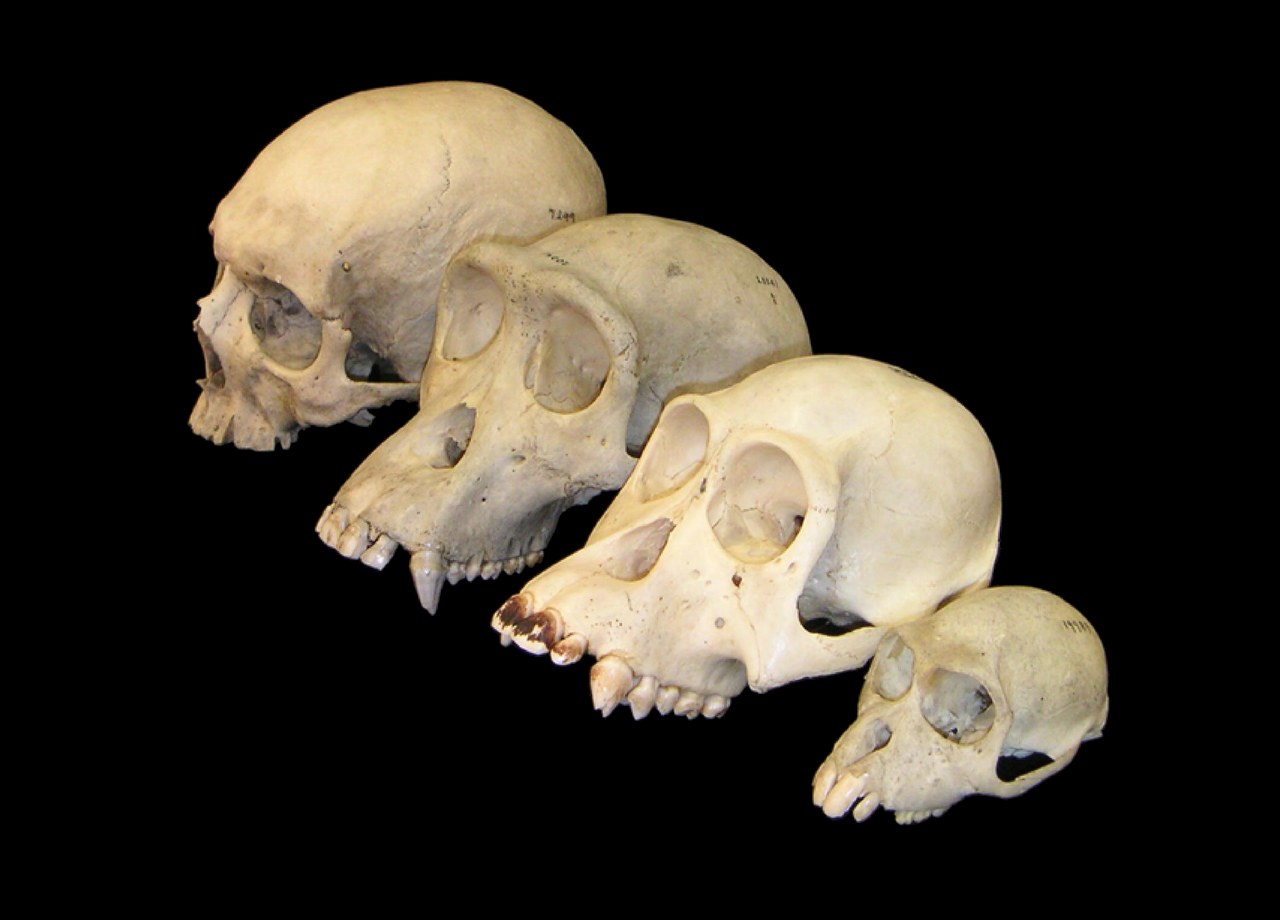
Evolution does not optimise; it compromises. The adult human brain consumes roughly a fifth of the body’s resting energy despite accounting for only a small fraction of its mass. Supporting that cost required trade-offs elsewhere, from a shortened gut to a prolonged and dependent childhood. The Smithsonian’s Human Origins Program documents how brain size expanded dramatically across our lineage, with each step bringing new abilities alongside new dependencies.
Our brains also develop slowly. Human neural circuits remain plastic — still being wired by experience — well into early adulthood. That extended apprenticeship is the foundation of learning and culture, but it creates a long window during which development can be disrupted. Researchers increasingly link this prolonged maturation to the ages at which several mental health conditions typically emerge, suggesting that the timetable that makes us so teachable also makes us fragile for longer.
Why a Powerful Brain Can Misfire
Several features of human cognition look, from an evolutionary perspective, like high-performance systems run close to their limits. The networks that support imagination and planning also generate rumination and anxiety when they cannot switch off. The social cognition that lets us read other minds can tip into paranoia. The dopamine systems that drive curiosity, motivation and reward are implicated in both creativity and addiction and psychosis. In this view, many disorders are not foreign invaders of a healthy design but the failure modes of the design itself.
Ageing exposes another trade-off. Natural selection is strongest on traits that affect survival and reproduction early in life, and comparatively indifferent to what happens decades later. A brain built to perform brilliantly through youth and middle age may simply not have been selected for durability across an eighty- or ninety-year lifespan. The plaques, tangles and vascular damage associated with dementia can then be understood partly as the price of longevity that evolution never budgeted for.
What This Perspective Changes
Framing brain disorders as design trade-offs is not merely philosophical; it shapes research. If vulnerability is woven into the same circuits that produce our abilities, then treatments that simply suppress those circuits risk dulling the capacities patients value most. Reviews in journals such as Nature’s evolutionary biology coverage highlight work on how evolutionary history can explain why certain diseases persist despite their obvious costs — because the genes and developmental pathways involved also confer benefits, or because selection was blind to their late effects.
The perspective also counsels humility about quick fixes. Sleep, exercise, social connection and cardiovascular health consistently emerge as protective for the ageing brain, and all of them align with the conditions under which the organ evolved: physical activity, daylight, social groups and periods of genuine rest. Modern environments, by contrast, offer the brain relentless stimulation, fragmented attention and little movement — a mismatch between an ancient design and a novel world.
Failure, or the Cost of Success?
To say the human brain was set up for failure is deliberately provocative. The same organ also detects its own weaknesses, builds medicine around them and writes essays about its evolutionary shortcomings. Scientists who favour this framing argue that it encourages better questions: not simply what has gone wrong in a disordered brain, but which trade-off the disorder represents, and whether the benefit on the other side of the ledger can be preserved while the cost is reduced.
More science reporting of this kind is available in our science section, and the day’s main stories are collected on the News World Daily homepage. The human brain’s story, it turns out, is not one of perfection interrupted by disease. It is a story of spectacular capability bought at a price — and understanding that price may be one of the most useful things our remarkable, fallible brains can do.