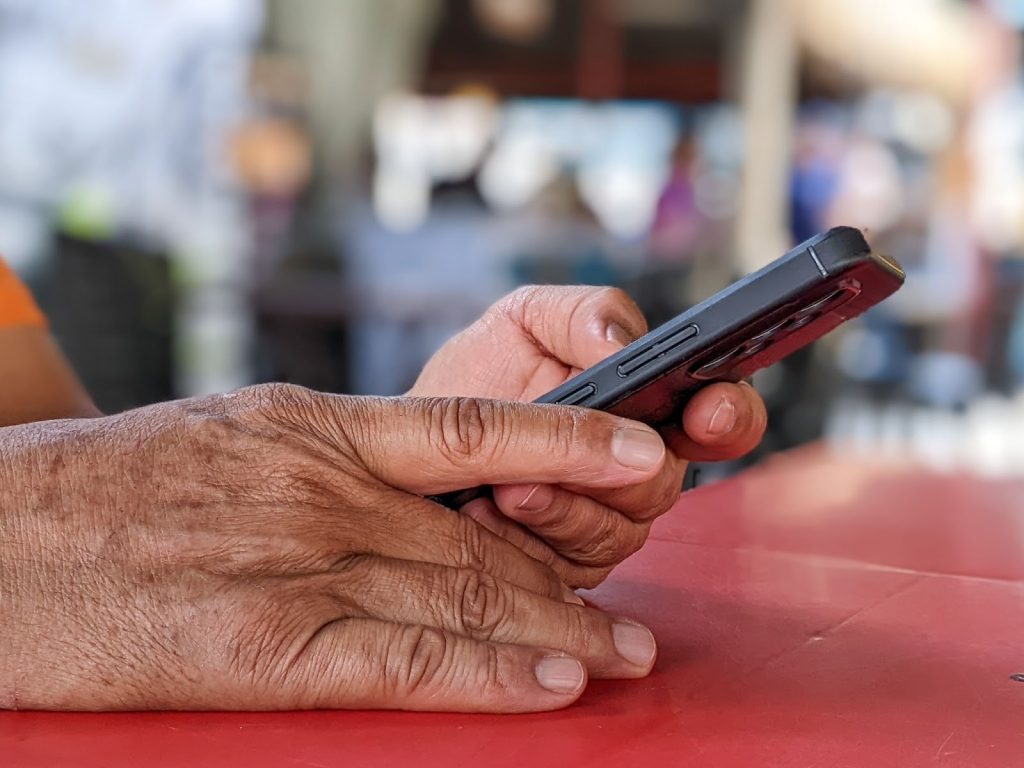
As people grow older, many find it harder to stay in touch with others. After retirement, daily contact with co-workers ends, and social circles often shrink. A study from the University of Georgia revealed that using smartphones, tablets, and computers can help older adults stay active in their social lives. These tools make it easier for them to talk to friends, join activities, and feel more connected to their community.
Teaching seniors to stay connected
In South Korea, social worker and researcher Jaesung Lee saw how much technology could improve the lives of older people. He and his team created classes that helped seniors learn to use smartphones. What made these lessons special was that students later became teachers themselves.
Some even found new part-time jobs as tech trainers, giving them a sense of pride and purpose. For many, the chance to teach others helped ease the sadness that often comes after retirement. In a country where many retire before 60, this kind of social and mental renewal is crucial. Lee said the training gave seniors new hope and a reason to rejoin society.
If you’re curious about how digital platforms can help connect people in fun and engaging ways, you might want to check out Puntit site. It’s a good example of how modern tech keeps communities lively and interactive.
Digital tools strengthen bonds
The study also looked at data from a US survey that followed thousands of adults aged 65 and older. It showed that seniors who work or use technology to talk with others are far more socially active. They tend to visit friends, volunteer, and take part in hobbies more often than those who avoid tech.
In contrast, retirees who don’t stay in touch often feel lonely. The researchers noted that even simple tools like text messages and emails can help maintain strong social ties after leaving work.
Support and learning matter

Co-author Allison Dunnigan from the University of Georgia said that helping older adults learn new technology skills can make a huge difference. She believes communities should offer classes, flexible work choices, and social programs that keep seniors involved. Using digital tools and staying active can improve mood, sharpen the mind, and help older people feel valued.
Dunnigan added that technology should not replace human contact, but rather support it. Working part-time, volunteering, or even joining online groups can all help maintain a healthy connection.
Bridging the gap in technology access
Though most adults over 65 own a smartphone or computer, many still find them hard to use. In some places, poor internet access makes it even tougher. Rural areas, for instance, often lack fast and reliable service. Dunnigan explained that without a stable internet, it’s easy for seniors to lose touch with others.
The study suggests that expanding internet coverage and teaching older people how to use digital tools will make it easier for them to stay involved. As technology continues to change, helping seniors keep up prevents them from feeling left behind.
To explore more examples of how digital platforms can make tech easier and more social for all ages, you can check out the Puntit site, which highlights how games can bring people together through shared online spaces.
A stronger link to well-being
Staying socially engaged benefits both the mind and body. Regular contact with others can reduce stress, boost happiness, and even extend life. The researchers concluded that being part of a community gives people a sense of meaning. For older adults, technology is a bridge that keeps them linked to the world around them, helping them live not only longer but fuller lives.