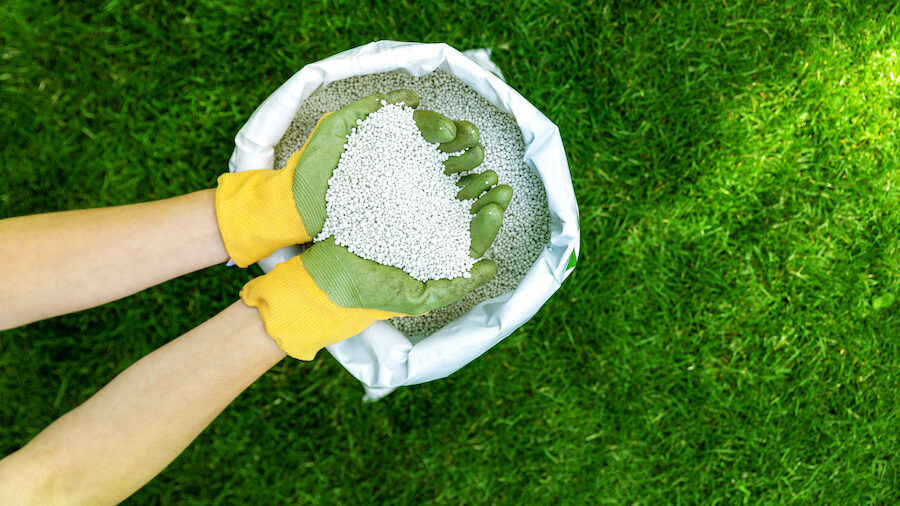
Timing is everything when it comes to lawn care. If you feed it too soon, you’ll be wasting effort and resources. Too late, and the grass will start thinning or yellowing.To achieve that lush, green carpet you’ve been dreaming of, you’ll need to get your feeding schedule just right.But when is the best time to fertilise, and what exactly should you feed your lawn? Continue reading to find out.
Get to Know Your Grass
Before you reach for the fertiliser, you need to know what you’re actually growing.In the UK, most lawns fall into the cool-season category, with grasses like ryegrass and fescue that prefer mild spring and autumn conditions. These are the months when they’re most hungry and can soak up nutrients quickly.
While warm-season grasses, like Bermuda or St. Augustine, are rare in this part of the world, they thrive in hotter regions across the globe.These sun-loving types put on their best show from late spring through summer. To keep them thick and vibrant, you’ll need to feed them during those warmer months.If you’re not sure what you’re dealing with, a quick chat with a local gardener will point you in the right direction.Your lawn’s growth patterns will also give you some helpful clues. Once you’ve cracked the code, you can create a tailored routine that covers everything, from mowing and watering to aerating and reseeding.
Feeding Through the Seasons
Just like us, grass has its favourite mealtimes.
- Spring. After winter’s long nap, lawns wake up hungry. A small dose of fertiliser with a little extra nitrogen will help promote fresh growth and brighten up the grass.
- Summer. Though growth usually slows down during hot, dry spells, warm-season varieties often need a summer boost. Just make sure to use a slow-release fertiliser to avoid burning the grass.
- Autumn. This is the peak growing season for most UK turfs. Autumn feedings should be low in nitrogen and high in potassium to improve root strength and help the grass endure the colder months.
- Winter. Once the cold sets in, your lawn takes a break. Fertiliser isn’t needed during dormancy, as the grass won’t absorb it anyway. In fact, it can actually encourage weak growth.
Local Climate Considerations
Not all UK gardens follow the same rules. In the south, where winters are typically milder, grass often bounces back earlier, meaning you can start feeding sooner.
In Scotland or the northern regions, you’ll need to be a bit more patient. Wait until the frost is completely gone before feeding so your turf can actually soak it up.
Don’t just trust the calendar, though. Your soil will tell you when it’s ready for feeding. If it’s frozen solid, your fertiliser will go to waste. If it’s soaking wet, most nutrients will wash away.You should also check the weather forecast beforehand to know if the conditions are right. Fertilising before a heavy downpour is like pouring tea into a broken cup; it’ll disappear before your grass gets a taste.
Testing the Soil
The secret to a lush lawn lies with the soil underneath. Healthy soil works like a sponge. It holds on to nutrients and moisture, releasing them gradually to provide plants with a reliable supply of food and water.
You don’t need to be a scientist to check what’s going on underground. Home testing kits can give you quick answers about your garden’s pH levels and nutrient balance.If you want a more comprehensive analysis, you can always send a soil sample to a horticultural lab. They’ll provide a detailed report, complete with tailored recommendations.
Sometimes, soil tests reveal that your lawn actually needs less fertiliser than you thought. That means fewer chemicals, lower expenses, and a happier environment overall.So, before you go around sprinkling fertiliser all over the turf, make sure you know what you’re working with.
Choosing the Right Fertiliser
Not all fertilisers are created equal. Water-soluble options deliver fast results, but you’ll need to reapply them more often. Slow-release fertilisers, on the other hand, feed your grass steadily over time, which makes them the more convenient option for long-term care.
Ideally, you’ll want a balanced feed that’s rich in nitrogen, phosphorus, and potassium. These three elements form the lawn’s version of a superfood smoothie.
Nitrogen encourages lush growth, phosphorus supports root development, and potassium strengthens overall health.That said, you still have to take your garden’s needs into consideration. If your soil test shows a specific deficiency, choose a product that addresses that gap rather than a one-size-fits-all option.
Tools and Techniques
A pristine lawn shouldn’t come at the expense of local wildlife. Overfeeding pushes excess chemicals into nearby streams and rivers, where they disrupt natural ecosystems.To reduce nutrient runoff, water lightly after fertilising to help nutrients soak into the soil. Also, avoid spreading fertiliser near drains, driveways, or paved areas, where granules can be carried off by rain.To keep the natural balance intact, opt for eco-friendly boosters and stick to the schedule mentioned above.
A heavy hand won’t make the grass greener; it’ll just scorch it. So, make sure you follow the instructions on the packet carefully if you’re using a store-bought product.You should also apply fertiliser on dry days, ideally in the cooler mornings or evenings. That’s when plants are most receptive.
A spreader will help you distribute it evenly, so you don’t end up with a jumble of neon green stripes and pale yellow patches.Soil boosters work best when paired with regular grass cutting, but you have to get the height just right. To encourage thicker, healthier growth, never remove more than one-third of the blade in a single cut.
Signs Your Lawn Needs Fertiliser
Your grass will tell you when it’s hungry. You just have to learn its language. Yellow blades are a clear sign of nitrogen deficiency, while bare or patchy areas often signal a lack of nutrients across the board.
To spot when your turf needs your attention, take a walk across the garden every week or two, and jot down anything that stands out.Maybe your lawn looks stressed after a hot spell, or perhaps certain shaded areas are showing signs of struggle. Spotting these patterns early will help you restore balance before things spiral out of control.
DIY Fertilisers
A show-stopping lawn doesn’t need a show-stopping bill. A few clever tricks will save you a small fortune while keeping your front garden in tip-top shape.
For instance, you can make your own compost from kitchen scraps and garden waste for a steady and free nutrient source.Your breakfast can fuel your outdoor oasis, not just your stomach. Coffee grounds add a nitrogen kick, while crushed eggshells provide calcium, both of which promote strong growth.
After mowing, don’t get rid of the grass clippings. Spread them in a thin layer, and they’ll act as natural mulch, feeding your soil gradually as they break down.
Although these methods work more slowly, they boost soil health in the long run and make your turf more self-sufficient.If you must use store-bought products, buy them in bulk during seasonal offers to keep expenses down, and opt for slow-release fertilisers. They’ll provide your lawn with a steady diet without constant reapplication.
Conclusion
With a little patience and basic knowledge, you’ll learn to read your lawn like an old friend and give it exactly what it needs to thrive.The recipe for success isn’t complicated. All it takes is healthy soil, the right timing, and a thoughtful approach.Get those three right, and you’ll spend less time battling bald patches and more time enjoying the bragging rights of the greenest grass on the street.