Each year, a significant number of trekkers head toward Mount Toubkal in Morocco’s High Atlas region, yet many underestimate how altitude and pacing affect performance on summit day. Mount Toubkal stands at 4,167 meters, and rapid ascents often lead to fatigue or altitude discomfort. This is where a slower, structured approach makes a difference.
This is why Omar Adventures offers a carefully paced option designed for climbers who want more control over their ascent. The 4-day Mount Toubkal climbs format supports gradual acclimatization, steady progression, and a more comfortable summit experience.
This blog explains how a four-day itinerary works, why pacing matters, and what climbers can expect when choosing 4 days hiking Mount Toubkal climbing tours or similar trekking on Atlas Mountain tours.
Why a 4-Day Mount Toubkal Climb Changes the Experience
A shorter itinerary can feel rushed, especially for those not used to high altitude trekking. A 4-day plan spreads out the ascent, giving the body time to adjust naturally to thinner air.
The main advantage is simple: slower ascent equals better adaptation.
Instead of pushing directly toward high elevation, climbers follow a gradual route that reduces strain and supports endurance.
Key benefits include:
- More stable energy levels across the climb
- Reduced risk of altitude-related discomfort
- Better sleep before summit attempt
- Time to enjoy scenery without pressure
- A calmer mental pace leading to improved focus
This structure is often preferred by those choosing the best 4 days Mount Toubkal climbing tour, especially first-time high altitude trekkers or those returning after long breaks from mountain hiking.
Day-by-Day Flow of a 4-Day Ascent
A 4-day Mount Toubkal climb is designed to build rhythm rather than rush effort. Each stage serves a purpose.
Day 1: Arrival and Trek to Base Area
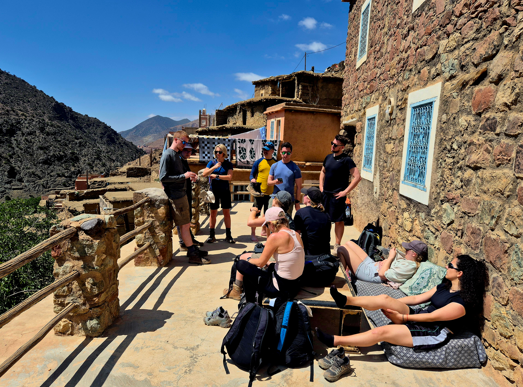
The trek begins from the foothills, moving through Berber villages and valley paths. This day is moderate in effort, focusing on steady walking and adjusting to the environment.
Day 2: Gradual Ascent Toward Refuge
The second day increases elevation. Climbers reach the mountain refuge where they spend the night. This stage is important for acclimatization and rest.
Day 3: Summit Attempt and Return to Refuge
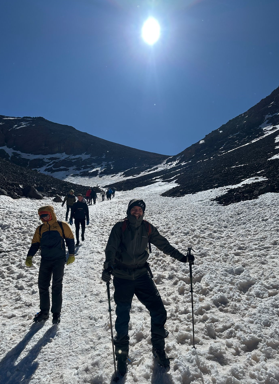
An early start leads to the summit push. Conditions are cooler and pacing is steady. After reaching the top, climbers return to the refuge for recovery.
Day 4: Descent to Base and Departure
The final day is a controlled descent back through the valleys, allowing muscles to recover while still maintaining movement.
This structure defines 4 days Mount Toubkal climbing trekking as a balanced approach that avoids unnecessary strain while still delivering a full summit experience.
Why Pacing Matters More Than Speed
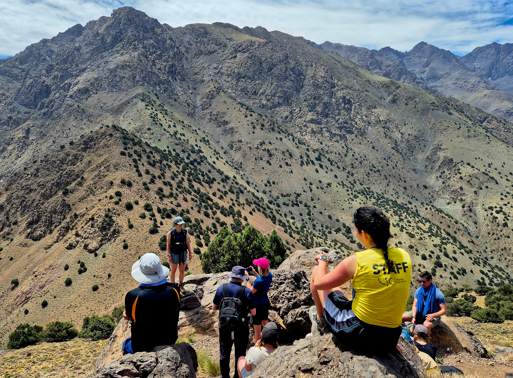
Altitude affects people differently. Even physically fit trekkers can feel the impact if ascent is too fast. A four-day itinerary helps regulate that exposure.
What proper pacing supports:
- Gradual oxygen adjustment
- Reduced fatigue on summit day
- Improved hydration balance
- More consistent walking rhythm
Instead of pushing endurance limits, climbers maintain steady progress. This is why 4 days hiking Mount Toubkal climbing tours are often recommended for those who prefer comfort alongside challenge.
Acclimatization: The Hidden Advantage
One of the most overlooked parts of high altitude trekking is acclimatization. The body needs time to adapt to reduced oxygen levels, and rushing this process often leads to discomfort.
A 4-day climb allows:
- One full night at mid-altitude refuge
- Time for breathing adjustment
- Better rest before summit push
- Reduced risk of slowing down on summit day
This makes trekking on Atlas Mountain tours more manageable and enjoyable, especially for those new to elevations above 3,000 meters.
What Climbers Usually Notice on a 4-Day Route
Those who choose a slower itinerary often report a more controlled and enjoyable experience. Common observations include:
- Less pressure during ascent
- More confidence on steep sections
- Ability to maintain conversation while walking
- Better appreciation of rest stops
- Stronger performance on summit morning
The difference is not about ability, but pacing and structure.
Is a slower ascent the key to reaching the summit with confidence?
For many climbers, the answer becomes clear on summit morning when energy levels remain steady and breathing feels controlled rather than rushed. A 4-day approach supports that outcome by giving the body and mind time to adjust step by step.Omar Adventures organizes carefully paced climbs focused on safety, comfort, and steady progression across the High Atlas. Those planning to book Mount Toubkal climb 4 days or looking for one of the most balanced trekking on Atlas Mountain tours options can reach out Omar Adventures to arrange a guided experience that prioritizes pacing and acclimatization from start to finish.