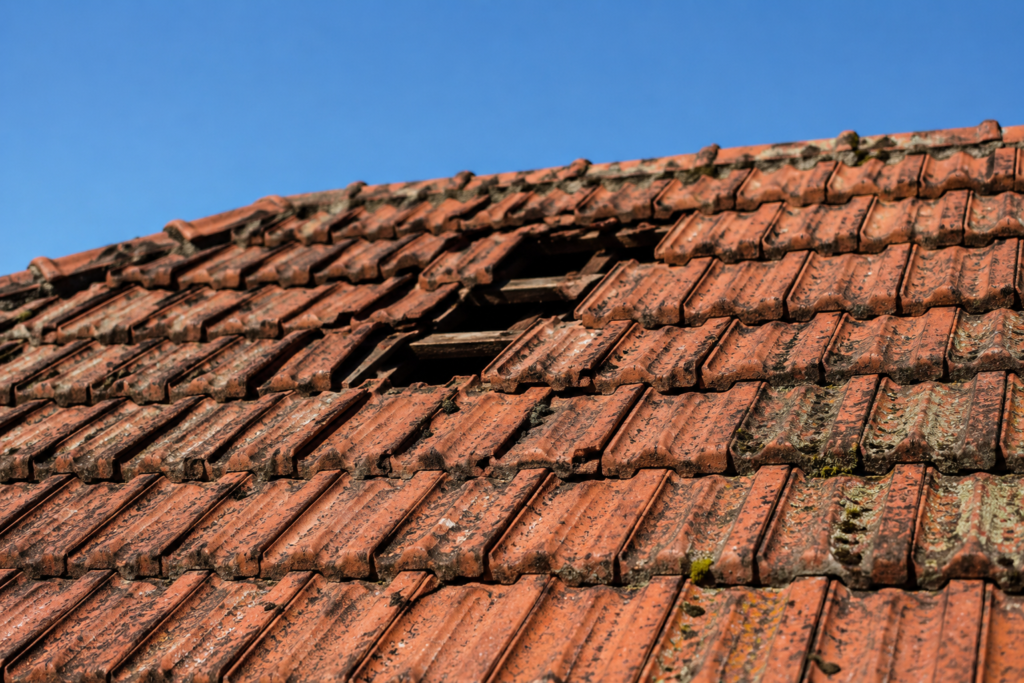
Minor Roof Problems Rarely Stay Minor
It is easy to put off roof maintenance when there are no obvious leaks or visible signs of damage inside the home. A few cracked tiles, some fading or patches of moss may not seem urgent, especially when the roof still appears to be doing its job. However, delaying restoration can allow small issues to develop into more extensive and expensive problems.
Your roof is constantly exposed to harsh weather, UV radiation, rain, wind and temperature changes. Over time, even minor defects can worsen, allowing moisture to penetrate the roof structure. What could have been resolved with routine repairs and restoration may eventually require significant structural work or even a complete roof replacement. Restoration is generally more cost-effective than replacement when the roof remains structurally sound.
Early Warning Signs You Should Not Ignore
Most roofs provide warning signs long before serious damage occurs. Recognising these early indicators allows homeowners to address issues before repair costs increase.
Cracked or broken roof tiles are among the most common concerns. Even a single damaged tile can allow rainwater to enter beneath the roofing material, particularly during heavy storms. Likewise, rust developing on metal roofing can gradually weaken protective coatings and eventually compromise the integrity of the roof if left untreated.
Leaks are another obvious warning sign, but they rarely appear immediately after roof damage occurs. Water may travel considerable distances beneath roofing materials before becoming visible inside the home. By the time stains appear on ceilings or walls, moisture may already have affected insulation, timber or internal structures.
Other common indicators include faded roof coatings, excessive moss or lichen growth, damaged ridge capping and cracked bedding or pointing. Moss can retain moisture against roofing materials, while deteriorated pointing can allow ridge tiles to loosen and create entry points for water.
The Cost of Waiting
One of the biggest misconceptions about roof maintenance is that delaying repairs saves money. In reality, postponing restoration often increases the overall cost because damage can continue to spread with every season.
Small leaks can gradually saturate insulation, weaken timber framing and encourage mould growth within roof cavities. Persistent moisture may also damage ceilings, internal walls, electrical components and flooring before the source of the leak is identified.
Structural deterioration is another concern. Water penetration can cause timber to decay, corrosion to spread and roofing materials to deteriorate more rapidly. What begins as a relatively simple repair may eventually require replacing larger roof sections or addressing internal building damage as well.
Restoration is generally less expensive than complete replacement when it is undertaken before structural failure occurs. Restoring an ageing but structurally sound roof can extend its service life, whereas delaying maintenance until widespread deterioration develops may leave replacement as the only practical option.
When Is the Right Time to Restore?
There is no universal timeline because every roof is affected by different weather conditions, maintenance histories and rates of material ageing. However, waiting until major leaks appear is rarely the ideal approach.
Regular roof inspections help identify developing issues before they become significant. Professional assessments can detect loose tiles, deteriorating sealants, cracked pointing, rust formation, blocked drainage and surface wear that homeowners may overlook from ground level.
Routine maintenance also helps preserve protective coatings that shield roofing materials from UV exposure and moisture. Addressing small repairs early reduces the likelihood of water entering the roof structure and can extend the overall lifespan of the roof.
Preventative restoration may be appropriate once signs of ageing become noticeable, even if the roof is not yet leaking. This proactive approach can help avoid larger repair bills while maintaining the roof’s ability to withstand changing Australian weather conditions.
Why Scheduling a Sydney Roof Restoration Early Makes Sense
Planning a Sydney roof restoration before visible damage becomes severe offers several practical advantages. Restoration may include cleaning, repairing damaged areas, replacing broken tiles where required, repointing ridge caps, treating rust on metal roofs and applying protective coatings where appropriate.
These measures help restore the roof’s protective performance while improving its resistance to future weather exposure. Early restoration also provides an opportunity to identify hidden defects before they develop into more complex structural issues.
Rather than waiting for persistent leaks or widespread deterioration, addressing problems while the roof remains structurally sound generally results in more straightforward repairs and lower long-term maintenance costs. Restoration may also extend the usable life of the roof when completed at the right stage.
Protect Your Home Before Repair Costs Increase
Your roof protects every part of your home, yet it is often one of the last areas homeowners inspect. Minor defects may seem harmless today, but continued weather exposure can turn them into larger problems that affect both the roof structure and the interior of the property.
If you have noticed cracked tiles, fading, moss growth, damaged pointing, rust or early signs of leaking, arranging an inspection sooner rather than later is usually the most practical decision. Seeking advice about Sydney roof restoration early can help identify developing issues, preserve the condition of the roof and reduce the likelihood of far more expensive repairs in the future.
FAQs
How do I know if my roof needs restoration instead of replacement?
If the roof is structurally sound but showing signs of ageing, such as cracked tiles, faded coatings, minor leaks or deteriorated pointing, restoration may be a suitable option.
Can delaying roof restoration lead to structural damage?
Yes. Small defects can allow moisture to enter the roof structure, potentially leading to timber decay, mould growth, insulation damage and more extensive repairs over time.
Is moss on the roof only a cosmetic issue?
No. Moss can trap moisture against roofing materials, contributing to cracking, deterioration and blocked drainage if left untreated.
How often should a roof be professionally inspected?
Inspection frequency depends on the roof’s age, material and exposure to weather, but regular inspections can help detect problems before they become costly.
What are the most common signs that roof pointing needs attention?
Cracked or missing pointing, loose ridge tiles and minor leaks are common indicators that ridge capping may require repair or restoration.
Is roof restoration usually more affordable than replacement?
In many cases, yes. Restoring a roof while it remains structurally sound is generally less expensive than replacing the entire roof after extensive deterioration has occurred.