The rapid expansion of digital technology has transformed the way individuals and organizations store, share, and manage information. Businesses rely on online systems to process payments, communicate with customers, and operate efficiently, prozone cc while consumers use digital platforms for shopping, banking, and personal activities. However, this growing dependence on technology has also created new opportunities for cybercriminals.
One of the most significant cybersecurity challenges today is the growth of dark web marketplaces where stolen information and illegal digital services are exchanged. Platforms associated with cybercrime, such as Prozone CC, represent a broader issue within the cybersecurity landscape. These marketplaces demonstrate how stolen data can become a valuable resource for criminals and how cyber threats can evolve into organized, large-scale operations.
Understanding the challenges created by dark web marketplaces helps businesses and individuals recognize potential risks and develop stronger security strategies to protect sensitive information.
Understanding Dark Web Marketplaces
The dark web is a hidden portion of the internet that is not accessible through traditional search engines. While it has legitimate uses related to privacy and anonymous communication, it has also become associated with illegal activities, including the exchange of stolen information and cybercrime-related services.
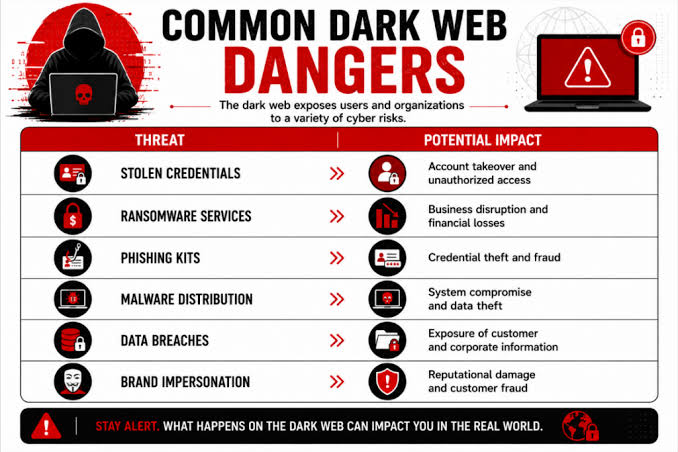
Dark web marketplaces operate similarly to digital marketplaces, allowing users to exchange various types of illicit digital assets. These may include stolen credentials, compromised accounts, personal information, and other forms of sensitive data.
The existence of these marketplaces has changed the nature of cybercrime. Criminals no longer need to perform every step of an attack themselves. Instead, they can rely on specialized networks where different individuals focus on specific activities such as stealing data, distributing information, or carrying out fraud.
The Growing Value of Stolen Information
One of the biggest reasons dark web marketplaces continue to grow is the increasing value of personal and business data. Information has become a major digital asset, and criminals recognize its potential for financial gain.
Commonly targeted information includes:
- Payment card details.
- Usernames and passwords.
- Email account credentials.
- Personal identification information.
- Business login details.
- Customer databases.
- Financial records.
- Authentication information.
Stolen information can be used for identity theft, unauthorized account access, financial fraud, and targeted phishing attacks. Even after a security breach is discovered, exposed information may continue to create risks because copies of the data can spread across multiple criminal networks.
How Dark Web Marketplaces Increase Cybersecurity Risks
Dark web marketplaces create several challenges for cybersecurity professionals, organizations, and consumers.
1. Faster Distribution of Stolen Data
Traditional cyberattacks often ended after information was stolen. Today, stolen data can quickly be distributed among multiple criminal groups through underground marketplaces.
A single data breach may affect thousands or millions of individuals, and the stolen information may be reused for different types of attacks over an extended period.
2. Increased Account Takeover Threats
Compromised usernames and passwords are frequently used in account takeover attacks. Many users reuse passwords across multiple websites, allowing criminals to exploit one stolen credential set across several platforms.
Account takeovers can result in financial losses, privacy violations, and unauthorized access to sensitive personal or business information.
3. More Sophisticated Phishing Campaigns
Cybercriminals often use stolen information to create highly convincing phishing messages. When attackers possess details about a person or organization, fraudulent communications can appear more legitimate.
These targeted attacks are more difficult to identify because they may include accurate personal information, company details, or references to real activities.
4. Increased Business Security Pressure
Organizations face growing pressure to protect customer and employee information. A single breach can result in financial losses, regulatory consequences, and damage to brand reputation.
Businesses must continuously improve security practices because attackers are constantly developing new methods to bypass defenses.
Challenges for Businesses
Companies face several cybersecurity challenges due to the existence of dark web marketplaces.
Protecting Large Amounts of Data
Modern organizations collect significant amounts of customer and operational information. Managing and protecting this data requires strong security controls, proper access management, and continuous monitoring.
Managing Third-Party Risks
Many businesses rely on vendors, cloud providers, and external services. A security weakness at a third-party provider can expose sensitive information belonging to multiple organizations.
Businesses must carefully evaluate the security practices of partners and service providers.
Detecting Threats Early
The longer attackers remain undetected inside a system, the greater the potential damage. Organizations need advanced monitoring tools capable of identifying suspicious behavior quickly.
Security teams increasingly rely on artificial intelligence, behavioral analytics, and threat intelligence platforms to improve detection capabilities.
Challenges for Consumers
Individuals are also affected by the activities of dark web marketplaces. Personal information exposed through breaches can create long-term security risks.
Consumers may experience:
- Identity theft.
- Fraudulent transactions.
- Unauthorized account access.
- Increased scam attempts.
- Privacy concerns.
Many users underestimate the importance of protecting basic information such as email addresses, passwords, and personal details. However, criminals can combine small pieces of information from multiple sources to create valuable profiles.
Cybersecurity Strategies for Organizations
Organizations can reduce risks associated with dark web threats by adopting a comprehensive security approach.
Implement Multi-Factor Authentication
Multi-factor authentication adds additional protection by requiring users to verify their identity through multiple methods. This reduces the impact of stolen passwords.
Encrypt Sensitive Data
Encryption protects confidential information by converting it into a secure format that unauthorized users cannot easily access.
Monitor Systems Continuously
Real-time monitoring helps organizations identify unusual activity, suspicious access attempts, and possible security incidents.
Conduct Regular Security Assessments
Vulnerability testing, penetration assessments, and security reviews help organizations identify weaknesses before attackers exploit them.
Train Employees
Employees should receive cybersecurity training to recognize phishing attempts, protect sensitive information, and follow secure digital practices.
Cybersecurity Strategies for Individuals
Consumers can also take important steps to protect themselves from threats associated with stolen information.
Recommended practices include:
- Use unique passwords for every account.
- Enable multi-factor authentication.
- Avoid clicking suspicious links.
- Keep devices and applications updated.
- Monitor financial accounts regularly.
- Limit unnecessary personal information sharing.
- Be cautious of unexpected messages requesting information.
Small security improvements can significantly reduce the risk of becoming a victim of cybercrime.
The Role of Threat Intelligence
Threat intelligence has become an important part of modern cybersecurity. Organizations use threat intelligence to understand emerging risks, monitor potential exposures, and respond to new attack methods.
Security teams may analyze information about cybercrime trends, compromised accounts, and attack techniques to improve defensive strategies.
By understanding how attackers operate, organizations can make better decisions about protecting their systems and data.
The Future of Dark Web Threats
As technology continues to develop, cybercriminals will continue adapting their methods. Artificial intelligence, cloud computing, and connected devices create new opportunities for innovation but also introduce additional security challenges.
Future cybersecurity strategies will likely focus on:
- Advanced artificial intelligence-based detection.
- Stronger identity protection.
- Zero-trust security models.
- Automated threat response.
- Improved privacy technologies.
- Greater collaboration between organizations and security professionals.
Cybersecurity will require continuous improvement because threats will continue evolving.
Conclusion
Dark web marketplaces like Prozone CC highlight the broader challenges created by the modern cybercrime ecosystem. While individual prozone.st platforms may change over time, the underlying problem remains the same: stolen information has become a valuable resource that can support numerous forms of cybercrime.
Businesses must prioritize data protection, identity security, employee awareness, and incident response planning to reduce risks. Consumers must also take responsibility by practicing safe online habits and protecting their personal information.
The fight against cybercrime requires continuous awareness, investment, and cooperation. By understanding the risks created by dark web marketplaces and adopting stronger cybersecurity practices, organizations and individuals can build greater resilience against evolving digital threats.