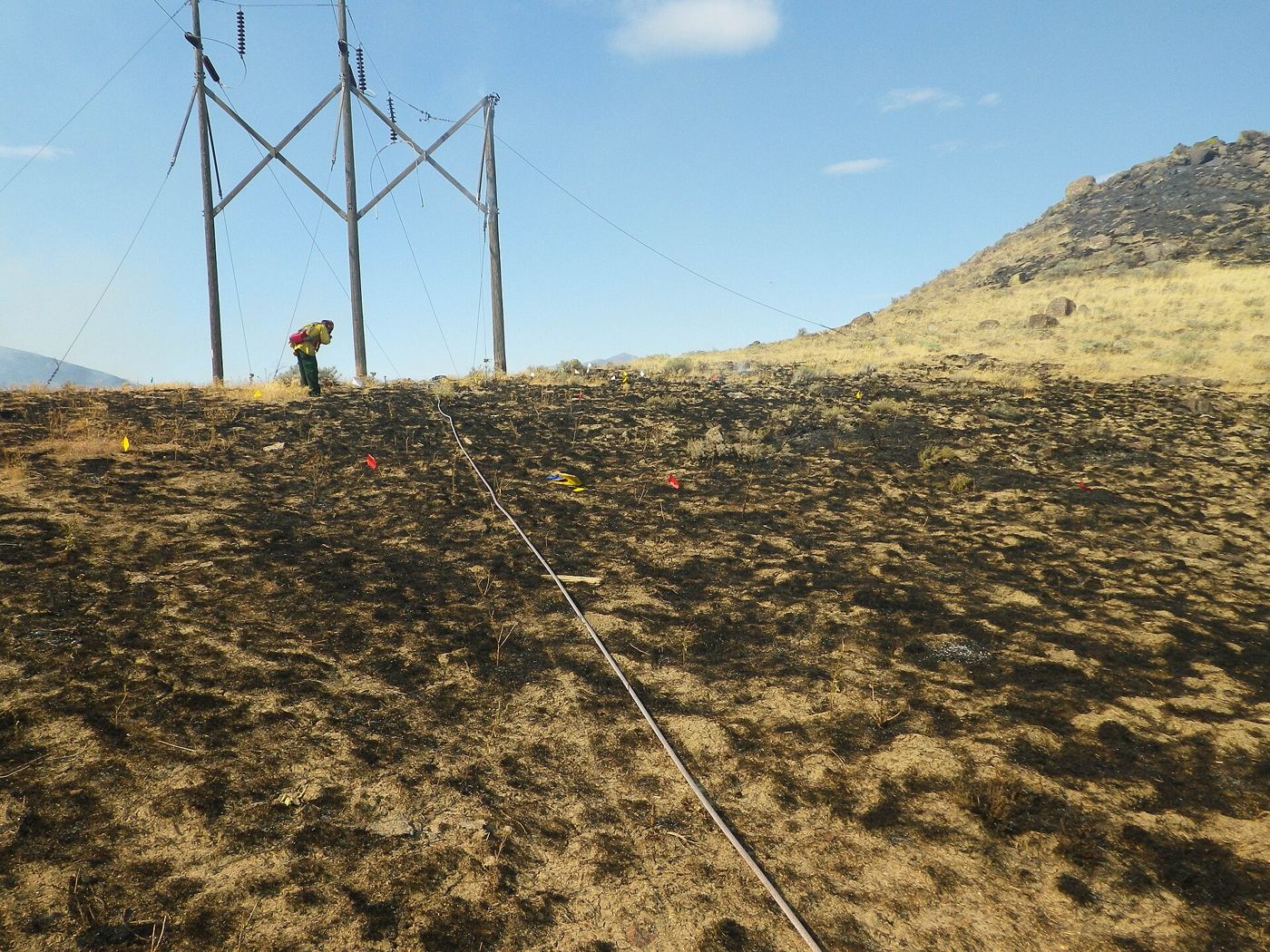
There used to be a fire season. In much of the world’s temperate zone it had a beginning and an end, and fire services staffed up for it the way resorts hire for summer. That calendar is breaking down. Hotter, drier conditions mean fires now ignite earlier, burn later and appear in places — northern forests, peatlands, the edges of Arctic towns — where large wildfires were once rare. The result is a rolling emergency that is forcing fire services to reinvent how they predict, prevent and fight blazes.
Seeing fires before they grow
The biggest shift is in detection. Satellite constellations now scan fire-prone regions every few minutes, using thermal sensors to flag hotspots while they are still the size of a campfire. Combined with camera networks on towers and drones, the technology can put crews on a fire in the narrow window when it is still containable. Data from programmes such as NASA’s Earth observation fleet feeds directly into national alert systems, and agencies report that early detection has become the single highest-value investment in the field.
On newsworlddaily.com we have reported from communities rebuilding after megafires — a term that barely existed a generation ago. Their lessons recur: defensible space around homes, ember-resistant construction, and evacuation plans rehearsed rather than improvised.
Fighting fire with fire
Prevention is being rethought too. Indigenous communities in Australia, North America and elsewhere practised controlled, low-intensity burning for millennia, creating mosaics of vegetation that resist megafires. Suppression policies spent a century interrupting that practice, allowing fuel to accumulate. Now agencies are relearning prescribed burning at scale — accepting smoke on chosen days to avoid catastrophe on unchosen ones.
Our World coverage also follows the human strain: seasonal crews are becoming year-round professionals, both because the work now exists in every month and because services lose trained people when contracts end each autumn.
Living with fire
The emerging consensus is that fire cannot be eliminated from fire-adapted landscapes — only managed, or mismanaged. Insurance retreats, building codes in the wildland-urban interface, and honest maps of risk are becoming as central to policy as engines and aircraft. The fire season, in other words, is no longer a season at all. It is a permanent condition of a warmer world, and the services adapting fastest are those that have accepted that fact and planned around it.
The insurance signal
While services adapt, insurers are delivering the bluntest verdict on fire risk: withdrawal. In the most exposed regions, major insurers have stopped writing new policies or exited entirely, leaving state-backed insurers of last resort holding concentrated risk. Fire chiefs have begun citing insurance maps in budget hearings, because they translate climate science into the language councils cannot ignore — the price of a postcode. The feedback loop runs both ways: communities that invest in mitigation, clearance and fire-resistant building codes are starting to win back coverage and lower premiums. Adaptation, once an abstraction, now arrives as a line item in a household budget, which may be exactly the language that finally gets it funded.