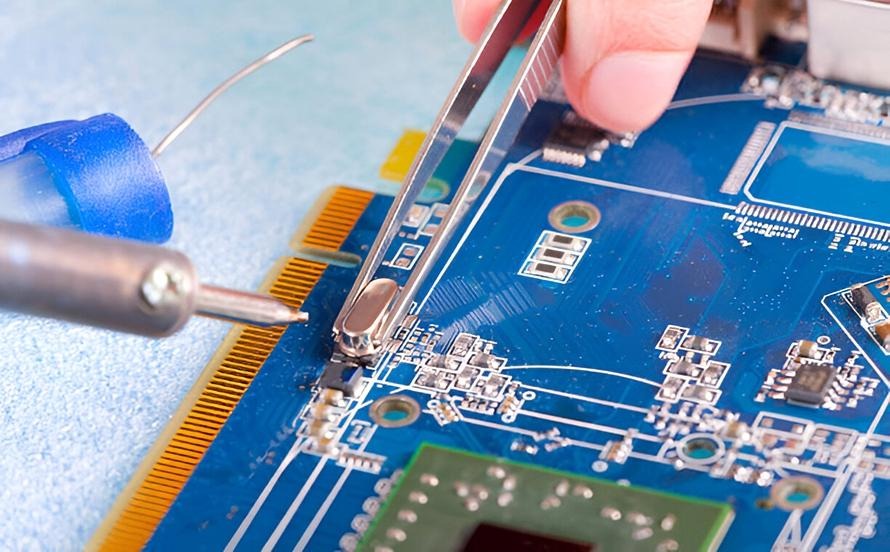
As electronic devices continue to become smaller, faster, and more powerful, managing heat and maintaining long-term reliability have become major challenges for engineers. High-power applications such as electric vehicles, aerospace systems, telecommunications equipment, LED lighting, medical devices, and industrial automation generate significant amounts of heat that conventional printed circuit board materials cannot always dissipate efficiently. To overcome these limitations, engineers increasingly rely on the Ceramic PCB, a specialized circuit board technology designed for exceptional thermal performance and electrical reliability.
Unlike traditional FR-4 circuit boards, ceramic PCBs use ceramic materials as the substrate, providing superior heat dissipation, excellent electrical insulation, and outstanding mechanical stability. These characteristics make ceramic circuit boards ideal for applications operating under high temperatures, high voltages, and demanding environmental conditions.
As demand for high-performance electronics grows across multiple industries, companies are partnering with experienced Ceramic PCB Manufacturers that possess the expertise, advanced production technologies, and quality management systems necessary to produce reliable ceramic circuit boards. Choosing the right manufacturing partner is essential for ensuring consistent performance and maximizing product lifespan.
This article explores ceramic PCB technology, its manufacturing process, advantages, applications, and the importance of selecting a trusted ceramic PCB manufacturer.
What Is a Ceramic PCB?
A Ceramic PCB is a printed circuit board that uses ceramic material instead of conventional fiberglass laminates as its base substrate. Ceramic materials offer exceptional thermal conductivity, excellent electrical insulation, high mechanical strength, and superior resistance to heat, making them ideal for high-performance electronic applications.
Unlike standard FR-4 boards, ceramic PCBs can efficiently transfer heat away from electronic components, reducing operating temperatures and improving overall system reliability. This capability is particularly valuable in applications involving high-power semiconductors, LEDs, power modules, and radio-frequency circuits.
Several ceramic materials are commonly used during manufacturing, including aluminum oxide (Al₂O₃), aluminum nitride (AlN), and silicon nitride (Si₃N₄). Each material offers unique electrical and thermal characteristics suited to different industrial applications.
Ceramic PCBs are available in single-sided, double-sided, multilayer, and metalized configurations depending on product requirements and electrical complexity.
Why Ceramic PCBs Are Becoming Increasingly Important
Modern electronic systems continue to demand higher processing speeds, increased power density, and greater reliability while operating within increasingly compact product designs. These requirements generate substantial heat that must be effectively managed to prevent component failure.
Conventional PCB materials possess relatively low thermal conductivity, limiting their ability to dissipate heat efficiently. As operating temperatures rise, electronic components may experience reduced performance, accelerated aging, or complete failure.
Ceramic PCBs solve these challenges by providing highly efficient thermal pathways that rapidly transfer heat away from critical components. Their excellent dimensional stability also minimizes expansion and contraction caused by temperature fluctuations, maintaining reliable electrical connections over extended operating periods.
In addition to thermal management, ceramic substrates provide excellent dielectric properties, making them suitable for high-frequency and high-voltage applications where electrical stability is essential.
The Ceramic PCB Manufacturing Process
Manufacturing ceramic PCBs requires specialized equipment and highly controlled production techniques that differ significantly from conventional PCB fabrication. The process begins by selecting the appropriate ceramic substrate based on the application’s electrical, thermal, and mechanical requirements.
After the ceramic material has been prepared, conductive circuit patterns are created using specialized metallization processes. Depending on the substrate material and application, manufacturers may use thick-film printing, thin-film deposition, direct bonded copper (DBC), or direct plated copper (DPC) technologies.
The conductive layers are carefully formed onto the ceramic surface before undergoing high-temperature processing that permanently bonds the copper circuitry to the substrate. Precision drilling, laser machining, and shaping operations create mounting holes and mechanical features required by the product design.
Surface finishes are then applied to improve solderability and corrosion resistance before the completed circuit boards undergo comprehensive inspection and electrical testing.
Throughout manufacturing, strict process control ensures dimensional accuracy, thermal performance, and long-term mechanical reliability.
Advantages of Ceramic PCB Technology
One of the greatest advantages of ceramic PCBs is their exceptional thermal conductivity. Ceramic materials efficiently transfer heat away from electronic components, reducing operating temperatures and extending product lifespan. This characteristic makes ceramic substrates particularly valuable for high-power electronic systems where thermal management directly influences reliability.
Mechanical stability represents another significant benefit. Ceramic materials maintain their dimensions even under substantial temperature variations, reducing mechanical stress on solder joints and electronic components.
Ceramic PCBs also provide excellent electrical insulation while supporting high-voltage operation. Their dielectric properties enable reliable performance in power electronics, radio-frequency systems, and communication equipment requiring stable electrical characteristics.
Chemical resistance further enhances long-term durability. Ceramic substrates resist corrosion, moisture, ultraviolet radiation, and harsh environmental conditions better than many conventional PCB materials.
The combination of thermal efficiency, electrical insulation, and mechanical stability allows ceramic PCBs to perform reliably in applications where conventional circuit boards may not provide sufficient durability.
Applications of Ceramic PCBs
Ceramic PCBs are widely used across industries requiring superior thermal management and long-term reliability. LED lighting systems represent one of the largest application areas because high-power LEDs generate significant heat during operation. Ceramic substrates efficiently dissipate this heat while maintaining consistent lighting performance.
Power electronics used in electric vehicles, renewable energy systems, motor controllers, and industrial power supplies also rely heavily on ceramic circuit boards. Efficient heat transfer improves system efficiency while protecting sensitive semiconductor devices.
Medical equipment manufacturers utilize ceramic PCBs in imaging systems, laser equipment, surgical devices, implantable electronics, and diagnostic instruments where reliability and precision are critical.
Telecommunications infrastructure supporting high-frequency communication systems benefits from the stable dielectric properties of ceramic materials. Radar equipment, microwave communication devices, satellite electronics, and RF power amplifiers frequently utilize ceramic circuit board technology.
Aerospace and defense systems depend on ceramic PCBs because of their ability to withstand extreme temperatures, vibration, and harsh operating environments while maintaining reliable electrical performance.
Industrial automation equipment, semiconductor manufacturing systems, automotive electronics, and scientific instrumentation further demonstrate the broad range of ceramic PCB applications.
Why Choosing Experienced Ceramic PCB Manufacturers Matters
Producing ceramic circuit boards requires specialized manufacturing expertise, advanced production equipment, and strict quality management procedures. Experienced Ceramic PCB Manufacturers understand the unique challenges associated with ceramic materials, metallization techniques, thermal management, and high-temperature processing.
Professional manufacturers work closely with customers during product development, providing Design for Manufacturability (DFM) analysis that helps optimize substrate selection, conductor geometry, thermal performance, and production efficiency.
Leading manufacturers invest in advanced fabrication technologies including laser processing equipment, precision metallization systems, automated inspection equipment, and intelligent manufacturing platforms capable of producing highly reliable ceramic circuit boards.
Their engineering expertise allows customers to select the most suitable ceramic material and manufacturing method based on specific performance requirements, operating conditions, and production volumes.
Working with an experienced manufacturer also ensures consistent product quality from prototype development through high-volume production.
Quality Assurance in Ceramic PCB Manufacturing
Quality control is essential throughout ceramic PCB production because even minor manufacturing defects can affect thermal performance, electrical reliability, and long-term durability. Manufacturers implement comprehensive inspection procedures during every production stage.
Incoming ceramic substrates undergo dimensional verification and material testing before fabrication begins. During production, manufacturers carefully monitor metallization quality, copper adhesion, dimensional tolerances, and conductor geometry.
Automated Optical Inspection (AOI) identifies surface defects while X-ray inspection evaluates internal structures when multilayer ceramic boards are produced. Electrical testing verifies circuit continuity, insulation resistance, and impedance characteristics.
Thermal cycling, environmental testing, and mechanical reliability evaluations may also be performed depending on the intended application. These tests confirm that ceramic PCBs maintain stable performance under demanding operating conditions.
Many leading manufacturers maintain internationally recognized certifications including ISO 9001, IPC standards, UL certification, IATF 16949 for automotive applications, ISO 13485 for medical devices, and RoHS compliance, demonstrating their commitment to consistent manufacturing quality.
Future Trends in Ceramic PCB Technology
The demand for ceramic PCB technology continues to grow as industries adopt increasingly powerful electronic systems. Electric vehicles, renewable energy infrastructure, 5G communication networks, artificial intelligence hardware, advanced medical equipment, and aerospace technologies all require efficient thermal management solutions.
Manufacturers are investing in advanced ceramic materials with even higher thermal conductivity, improved mechanical strength, and enhanced electrical performance. Direct plated copper technologies, finer conductor geometries, and multilayer ceramic integration continue expanding design possibilities.
Smart manufacturing systems, artificial intelligence-driven quality control, laser precision processing, and automated production technologies are improving manufacturing efficiency while supporting increasingly sophisticated ceramic PCB designs.
As electronic devices continue to demand greater power density and improved reliability, ceramic circuit boards will remain one of the most important technologies supporting next-generation innovation.
Conclusion
The Ceramic PCB has become a critical solution for modern electronics requiring exceptional thermal management, electrical insulation, and long-term reliability. Its ability to efficiently dissipate heat while maintaining stable performance under extreme operating conditions makes it indispensable for industries such as automotive, aerospace, telecommunications, medical technology, industrial automation, and power electronics.
Partnering with experienced Ceramic PCB Manufacturers ensures access to advanced manufacturing capabilities, specialized engineering expertise, comprehensive quality assurance, and reliable production processes. By selecting a trusted manufacturing partner, businesses can confidently develop high-performance electronic products capable of meeting the demanding requirements of today’s rapidly evolving technology landscape while preparing for future innovations in high-power electronics.