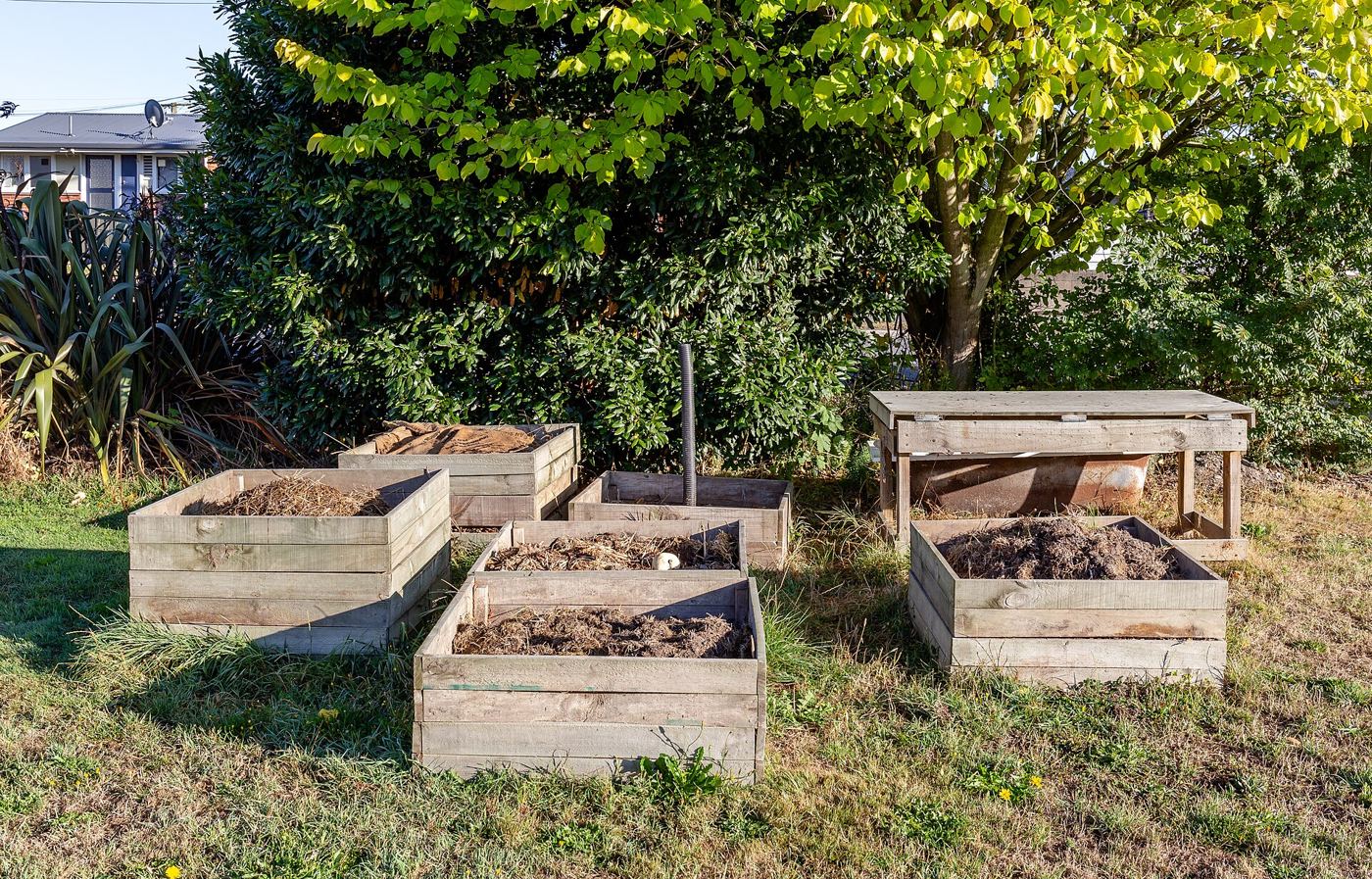
Every year households throw away millions of tonnes of food, and much of it ends up in landfill, where it rots without oxygen and releases methane, a powerful greenhouse gas. A compost bin offers a simpler ending for the same scraps. Vegetable peelings, coffee grounds, eggshells and garden clippings are layered in the bin, where bacteria, fungi and worms break them down into dark, crumbly compost over a few months. The process needs air, moisture and a balance of green, nitrogen-rich material and brown, carbon-rich material such as cardboard and dry leaves. When the balance is right, the heap heats up as microbes work, and the smell stays earthy rather than sour. The result is free fertiliser, made from waste the household produced anyway.
What the Evidence Shows
Gardeners value compost because it improves soil in ways chemical fertiliser cannot. It holds moisture during dry spells, lets heavy clay drain better and feeds the worms and microbes that keep soil alive. Plants grown in compost-rich soil often need less watering and fewer bought fertilisers, and the soil stores carbon instead of releasing it. Councils in many areas now collect food waste separately or offer subsidised compost bins, and community composting sites let people without gardens join in. A bin will not take meat, dairy or cooked food in most home setups, since those attract rats and smell, but the everyday peelings and leaves that fill most kitchen bins are exactly what composting handles best. What leaves the kitchen as rubbish returns to the garden as something worth having. Reporting and analysis from sources such as BBC News track the same developments, and specialists following the compost bins turning kitchen scraps into garden gold say the direction is now consistent across independent lines of evidence.
The Wider Context
The wider context is a public conversation conducted at a speed institutions were not built for. Developments around the compost bins turning kitchen scraps into garden gold are announced, contested and revised within a single news cycle, and the officials involved have learned to publish evidence alongside claims so that scrutiny can actually occur. Trust, the polling suggests, follows that transparency more than it follows confidence.
What Happens Next
What happens next in the story of the compost bins turning kitchen scraps into garden gold will be decided in the places where it is being implemented, measured and argued about in public. The officials and organisations involved have committed to publishing progress data, and that commitment gives residents, businesses and journalists something firmer than promises to judge. The next milestones are dated, which means they can be checked. You can follow related developments in our coverage of news.
None of this will be settled by a single announcement, study or product launch. The pattern to watch is accumulation: independent confirmations, honest reporting of failures and steady improvement in the underlying numbers. Readers who follow those signals, rather than the loudest claim of the week, will understand this subject better than most of the commentary surrounding it suggests is possible.