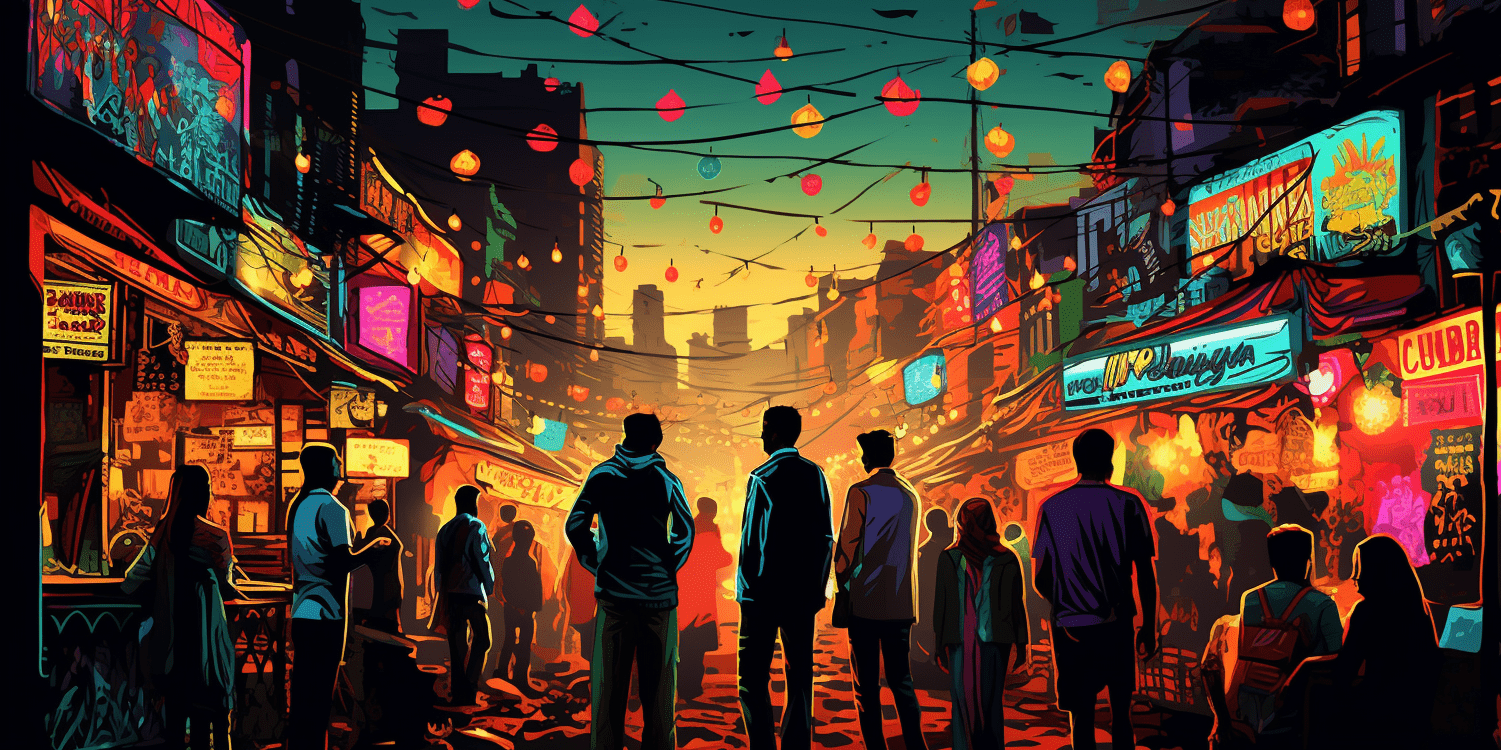
Cities grow not only through offices and infrastructure but also through social activity that extends beyond daylight hours. Nightlife has gradually become an important contributor to urban growth by supporting employment, creativity, and local spending. This steady flow of activity supports economic balance and keeps districts active beyond standard business schedules.
Another reason nightlife matters is its ability to activate underused hours. When streets remain lively after sunset, businesses benefit from extended demand and increased visibility. This activity encourages safer environments through presence and oversight. Over time, nightlife has shifted from being viewed as optional entertainment to a recognized driver of economic resilience and social connection.
Economic Contribution of Nightlife Industries
Nightlife supports a wide network of economic activity, including venues, staff, suppliers, and service providers. These operations generate consistent revenue streams and stimulate surrounding businesses. Discussions around nightclub trends, such as those featured on xn--2-wm2fx40af6a19bn91b.com, often highlight how evening economies create layered income opportunities within cities. The impact extends beyond direct sales into transportation, security, and maintenance services.
Employment Opportunities Across Multiple Skill Levels
Nightlife creates jobs that span a wide variety of abilities and schedules. This diversity supports inclusive economic participation.
Diverse Workforce Advantages in the Evening Economy
- Flexible Schedules: Operating hours help individuals balance multiple duties
- Low Entry Barriers: Entry-level roles provide accessible earning opportunities
- Skill Advancement: Skilled positions encourage professional development within creative sectors
- Supplemental Income: Part-time roles support students and secondary earnings
- Career Progression: Management pathways strengthen long-term career growth
Boosting Local Spending and Business Circulation
Evening activities encourage spending at nearby businesses. Visitors often engage with multiple services during a single outing. This flow strengthens small enterprises and supports local supply chains. When nightlife prospers, nearby shops and offerings benefit from increased foot traffic, contributing to overall economic prosperity.
Nightlife as a Catalyst for Area Revitalization
Urban areas with active nightlife often experience renewed interest and investment.
Mechanisms of Urban District Renewal
- Commercial Visibility: Increased visibility attracts new businesses to the surrounding streets
- Vacancy Prevention: Regular activity discourages long-term vacancy issues
- Infrastructure Upkeep: Improved lighting and maintenance follow higher usage
- Neighborhood Branding: Cultural events strengthen local identity
- Public Investment: Evening demand supports infrastructure improvements
Cultural Value and Creative Economy Growth
Nightlife nurtures creative expression. Music, performance, and inventive showcases benefit from evening venues. This creative output attracts audiences and supports cultural professionals. The presence of creative spaces enhances a city’s appeal, which can influence broader economic confidence.
Social Interaction and Urban Identity Formation
Nightlife shapes how residents relate to their city.
Social Benefits of a Vibrant Nightlife Scene
- Community Strengthening: Shared gatherings strengthen network connections
- Cultural Exchange: Diverse audiences encourage cultural alternatives
- Civic Identity: Regular occasions build a recognizable city character
- Networking Channels: Social spaces support informal networking
- Inclusive Play: Evening activity promotes inclusive participation
Responsible Regulation and Sustainable Growth
Balanced regulation ensures nightlife contributes positively to urban development. Clear guidelines support safety while allowing businesses to thrive. Sustainable approaches emphasize cooperation between operators, residents, and planners. This balance reduces conflict and encourages long-term stability within the evening economy.
Future Urban Momentum
Nightlife continues to evolve as a central element of urban economic strength. Its ability to generate employment, stimulate spending, and support cultural expression makes it a valuable asset. With thoughtful planning and insights shared through platforms like xn--2-wm2fx40af6a19bn91b.com, cities can align nightlife growth with broader development goals. When managed responsibly, evening economies contribute lasting value to urban life.