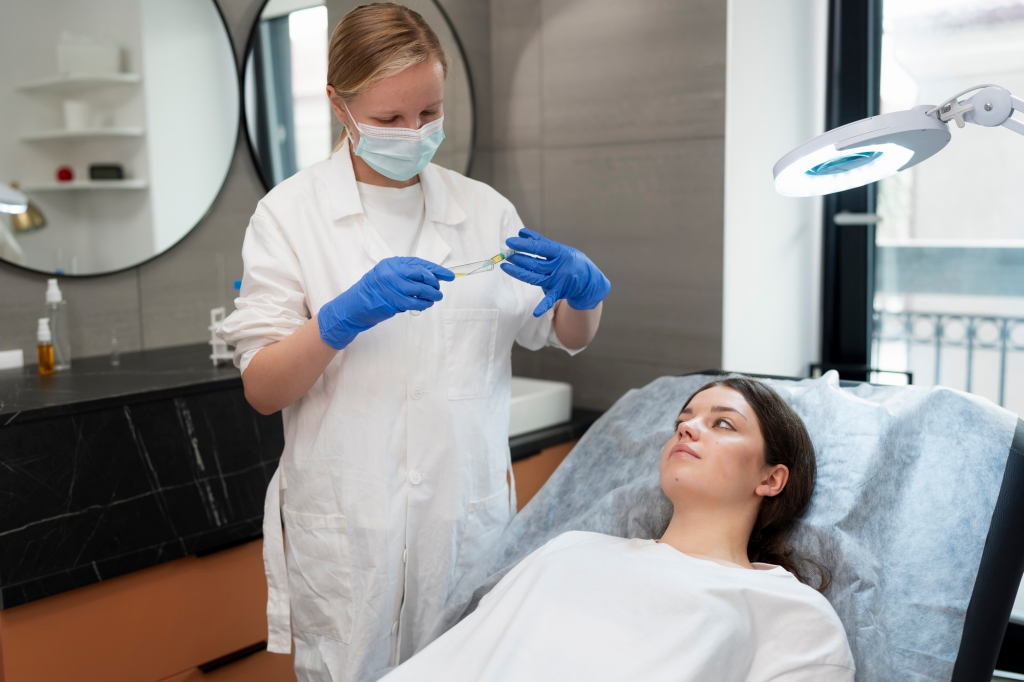
Thanks to personalized skin care, dermatological health is now considered precision care and not generic routines. This contributes to health transformation by lowering dependency on one-size-fits-all products while preferring tailored approaches.
Key Takeaways
- AI & Digital Imaging: High-magnification optics, 3D body mapping, and multi-spectral imaging enable real-time skin analysis and dynamic product adjustments based on humidity, season, and lifestyle.
- Genomic & Microbiome Precision: DNA profiling targets genetic vulnerabilities (like collagen breakdown) before UV damage appears, while microbiome sequencing targets harmful acne strains without stripping beneficial skin flora.
- Proactive Behavioral Shift: Hyper-personalized tracking helps prevent conditions like eczema or psoriasis before flare-ups, while reducing ingredient overloading, cosmetic waste, and routine fatigue.
- Key Adoption Challenges: High manufacturing costs, formulation complexities with active ingredients, technology adoption barriers, and regulatory hurdles currently limit widespread access.
Individual skin care requirements vary by baseline type, climatic conditions, and regular stress levels. This makes one-size-fits-all an ineffective consideration as traditional skin care acknowledges the broad categorization (oily, dry, and combination). The combination of AI, digital imaging, and biotechnology is working as a connection between professional doctor visits and home skin care items.
This article discusses how personalized skin care changes how people acknowledge dermatological health.
Role of Personalized Skin care in Approaching Dermatological Health
Here are the main aspects that make tailored care influencing the state of dermatological health.
Digital Imaging & AI Diagnostics
AI-powered digital imaging uses multi-spectral optics and deep learning to evaluate sub-surface pigmentation, vascular inflammation, and skin barrier health. This diagnostic precision allows dermatologists to replace static skin care routines with real-time, adaptive formulations.
Advanced Imaging and Diagnostic Technologies
Modern computer vision uses sophisticated diagnostic tools to capture sub-surface skin changes before they become visible on the surface:
Multi-Spectral Optics
Measures epidermal barrier disruption and deep melanin distribution beneath the skin surface.
Convolutional Neural Networks (CNNs)
Analyzes high-magnification images to quantify tissue health, surface texture, and vascular redness.
Digital Dermoscopy Comparison
Compares automated longitudinal scans over time to track chronic flare-ups and monitor evolving skin lesions.
Clinical Tracking and Lesion Analysis
AI-assisted 3D body mapping creates a comprehensive digital baseline of an individual’s skin surface.
By comparing sequential scans over weeks or months, clinical systems automatically detect micro-changes in skin structure, allowing dermatologists to intervene before acute symptoms develop.
Adaptive Formulations and Local Clinical Integration
Static, year-round skin care routines are being replaced by dynamic, climate-aware treatments.
Private dermatologists in Montreal (dermatologue prive Montreal) utilize AI diagnostic data to adjust active ingredient concentrations based on seasonal shifts, humidity levels, and personal lifestyle factors.
DNA Testing & Cosmetogenomics
Cosmetogenomics uses DNA profiling to detect genetic skin vulnerabilities before visible symptoms appear. By identifying specific gene variations, dermatologists prescribe preventative treatments tailored to an individual biological profile.
Targeting Genetic Vulnerabilities (SNPs)
DNA profiling evaluates single nucleotide polymorphisms (SNPs) responsible for skin aging, structural breakdown, and barrier dysfunction:
MMP1 Gene
Drives matrix metalloproteinase-1 production, causing accelerated collagen breakdown and skin laxity.
FLG Gene
Controls filaggrin synthesis. Deficiencies weaken the stratum corneum barrier, leading to dehydration and sensitivity.
SOD2 Gene
Regulates superoxide dismutase-2 enzymes. Deficiencies reduce cellular defense against UV-induced oxidative stress.
Clinical Preventative Care
Identifying these biomarkers allows clinicians to treat cellular weaknesses before physical symptoms manifest. For example, genetic antioxidant deficiencies can be neutralized before sun spots or deep wrinkles appear.
In specialized private clinics in Montreal (dermatologue prive Montreal), dermatologists combine genetic testing with custom compounding. This delivers targeted peptides, ceramides, and antioxidants before minor skin concerns turn into chronic conditions.
Skin Microbiome & Bioengineered Active Ingredients
People no longer apply harsh cleaners to treat skin problems. With the high acknowledgement rate of personalized skin care, dermatologists suggest microbiome-preserving and rebalancing formulations. This enables protecting the good bacteria of your skin rather than washing them away. The natural moisture of your skin remains locked while preventing it from dryness.
High-throughput sequencing maps individual skin microbiomes to detect harmful Cutibacterium acnes strains without disturbing helpful microbes. Based on this data, custom formulas are made using targeted prebiotics. This helps to clear acne without affecting your skin barrier as it remains strong.
Behavioral Impact
Hyper-personalized skin care transforms consumer habits from reactive treatment to proactive preventative health. Integrating AI photo logging with real-time environmental data increases routine adherence, eliminates product trial-and-error, and prevents inflammatory flare-ups before clinical symptoms emerge.
Shifting from Reactive to Proactive Habits
Traditional skin care often leads to routine fatigue, ingredient overloading, and cosmetic waste due to constant trial-and-error purchasing.
Personalized routines increase patient adherence by offering targeted formulations tailored to baseline skin biology and shifting environmental stressors like ambient humidity and UV index.
This data-driven clarity reduces unnecessary product stacking, preserves the skin barrier, and significantly lowers cosmetic waste.
Early Flare-Up Detection via AI Tracking
Continuous digital tracking combines longitudinal photo logging with AI computer vision algorithms to detect sub-clinical micro-changes in the skin barrier.
By monitoring subtle shifts in erythema, transepidermal water loss, and surface texture, AI systems identify early warnings of chronic conditions such as eczema, psoriasis, or rosacea.
This allows individuals to apply targeted barrier-repair treatments days before acute inflammatory flare-ups occur.
Proactive Clinical Integration in Montreal
In private dermatology practices in Montreal (dermatologue prive Montreal), clinicians sync patient smart app data directly with clinical treatment plans.
This remote monitoring allows dermatologists to make dynamic formulation adjustments based on seasonal weather transitions, stopping skin barrier breakdown before it escalates into a chronic clinical issue.
What are the Existing Challenges in Personalized Skin Care?
Personalized skin care comes with a range of challenges. These include:
- Manufacturing complexity (mixing high concentrations of active ingredients causes chemical reactions)
- High cost
- Technology adoption (integrating complex digital skin scans and AI applications into regular user routines)
- Regulatory hurdles
What are the Future Trends in Personalized Skin Care?
The future trends in personalized skin care are:
- AI & Smart Diagnostics (smartphone apps and smart mirrors track real-time changes in pores, hydration, and environmental exposure)
- Microbiome profiling
- Omni-channel retail (hybrid shopping models blending online quizzes and in-store mixing stations)
- Sustainable customization
To Conclude
Personalized skin care contributes to AI diagnostics, DNA testing, skin microbiome, etc. Renowned skin clinic uses the latest technologies while offering personalized skin care routine.
Seeking a Youthful Skin?
Find a trusted dermatology clinic in Montreal. Visit their website and evaluate the services they offer. Give a visit if you are facing any skin problem and obtain a younger-looking skin.