You might find automation and digital transformation trendy, but they are vital to stay in the game, especially in the currently evolving industrial environment. Rest assured, with businesses adopting more technology, it would be difficult to integrate them properly. System integrators can help in this situation. This tutorial will explain the function, importance, and reasons your company would want a system integrator, in case you have ever wondered what are system integrators.
What Is a System Integrator?
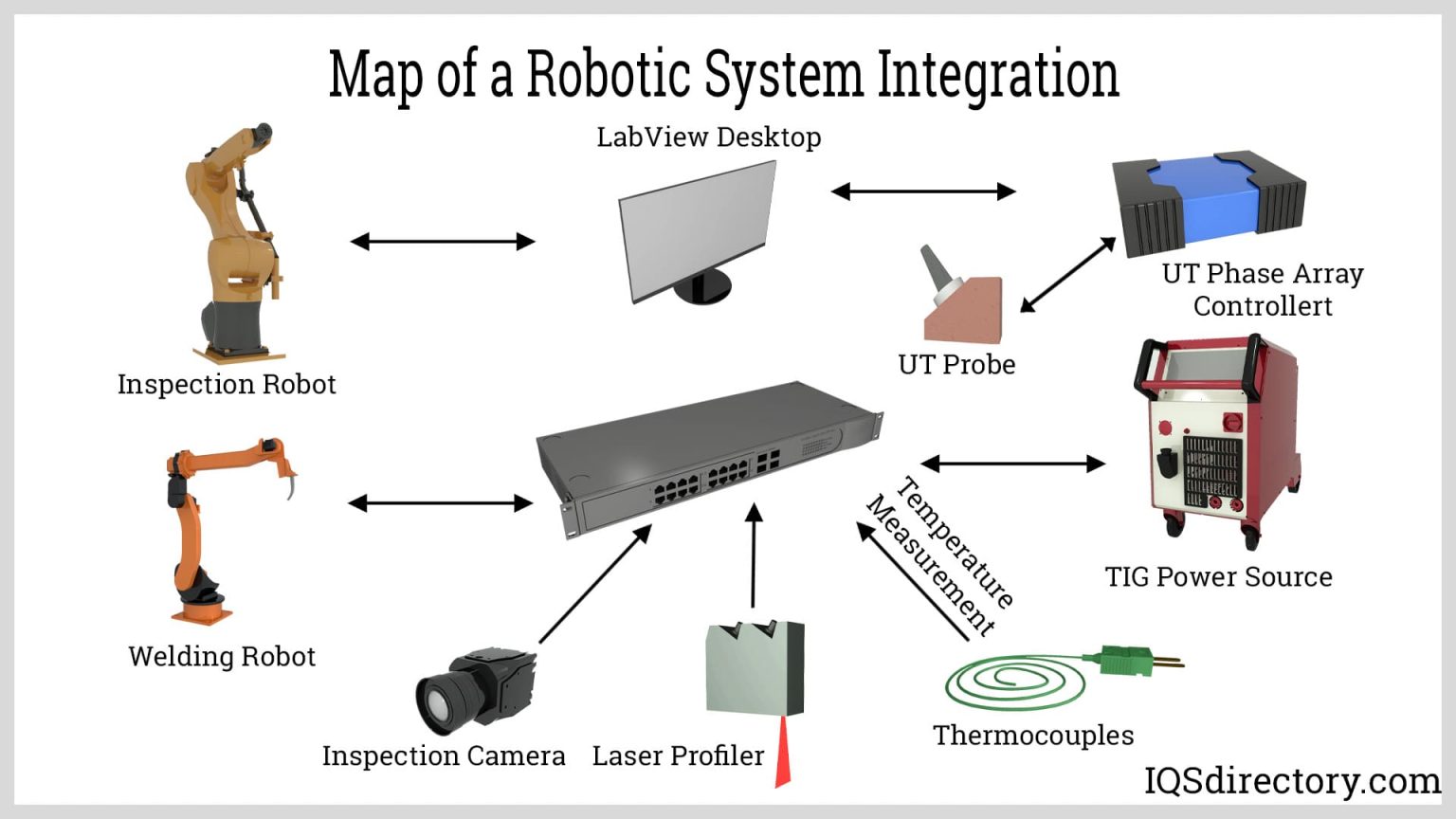
It would be best described as a company or individual specializing in combining several subsystems including hardware, software, robotics, and networking into a single and useful solution. These professionals ensure that a technological system functions as a whole to accomplish specific tasks or further overarching operational objectives.
System integrators would help you in the placement of intelligent systems. These systems would increase the data flow across several operations, reduce mistakes, and increase productivity in different areas such as IT, energy, logistics, and manufacturing.
How System Integrators Work
System integrators develop technological synergy in addition to installing equipment. Usually, their duties consist of:
Evaluating the demands of the business
Creating unique integration solutions
Choosing and obtaining the appropriate technology
System installation and configuration that guarantees component interoperability
Continuing upkeep and assistance
For example, in order to create a fully automated manufacturing line at a facility, a system integrator would integrate robotic arms with sensors, PLCs (programmable logic controllers), software dashboards, and conveyors.
Benefits of Working with System Integrators
There are several benefits to working with a system integrator, particularly for companies looking to implement Industry 4.0 or grow effectively. Among the main advantages are:
1. Streamlined Operations
Integrators lower the risk of downtime, redundancy, and human labor by integrating several systems into a single solution.
2. Improved Data Accuracy
System integrators assist companies get real-time data for more intelligent decision-making by facilitating smooth connection between hardware and software.
3. Customization
Rather than depending on off-the-shelf goods, integrators look forward to creating a specific solution that suits your specific business needs, procedures, and objectives.
4. Expert Guidance
With the ever-evolving technology, integrators tend to offer advice on the best solutions for continuing success. They remain updated on the latest advancements.
5. Faster ROI
Integrated systems generally pay for themselves fast through labor savings, higher productivity, and decreased mistakes.
Applications Across Industries
System integrators are highly sought after in a variety of industries, including:
Manufacturing: Quality control and assembly line automation
Logistics: Combining robots and conveyors with warehouse management systems
Energy: Linking grid control software, sensors, and monitoring instruments
Healthcare: Connecting reporting software and diagnostic equipment to patient data systems
Learn More About System Integration
Maveneer provides in-depth analysis and real-world examples to help you understand what system integrators are and how they can transform your business.
Conclusion
To sum it up, system integrators have become vital in assisting firms work intelligently and bridging the gap between different technologies. As a result, a competent system integrator can differentiate between a strong cohesive solution and separate parts regardless of whether you have been automating a factory, creating a smart storage, and updating your IT systems.