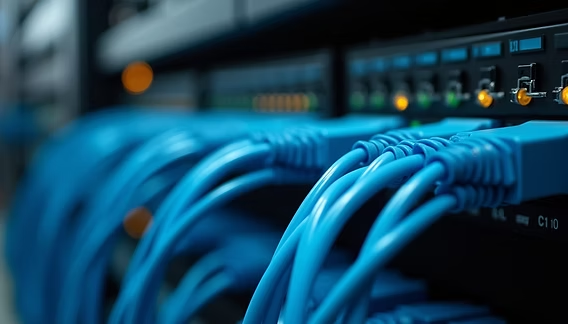
In today’s fast-moving digital world, every modern business depends on fast and reliable connectivity. From sending emails and hosting video meetings to managing cloud applications and security systems, your network is the backbone of daily operations. At the center of that backbone is Network Cabling. While wireless technology has improved over the years, structured wiring remains the most stable and secure way to support business communication systems.
If your business relies on computers, servers, VoIP phones, security cameras, or data centers, you need a strong and well-planned cabling infrastructure. Poor wiring can lead to slow internet speeds, dropped connections, security risks, and costly downtime. On the other hand, a properly installed network system improves performance, increases productivity, and supports long-term growth.
This complete guide will walk you through everything you need to know about Network Cabling for modern businesses. You will learn about cable types, installation best practices, maintenance strategies, and how to future-proof your infrastructure. Whether you are upgrading an office network or building a new commercial space, this guide will help you make informed decisions.
Why Network Cabling Is the Foundation of Business Connectivity
Every business today depends on data. Whether you run a small office or a large enterprise, your team needs consistent access to files, cloud services, customer information, and communication tools. While Wi-Fi is convenient, it still relies on physical infrastructure behind the scenes. That infrastructure is built on professional Network Cabling.
Structured cabling systems provide stable and high-speed data transmission. Unlike wireless connections, which can suffer from interference, signal loss, and security issues, physical cables deliver consistent bandwidth and lower latency. This makes them ideal for critical operations such as data transfers, video conferencing, point-of-sale systems, and server communication.
A well-designed network infrastructure also supports multiple systems within one organized framework. This includes data cabling, voice cabling, security systems, and fiber optic connections. By using structured wiring, businesses can simplify maintenance and reduce troubleshooting time. When cables are clearly labeled and organized, IT professionals can quickly identify and resolve issues.
Another major benefit of Network Cabling is scalability. As your business grows, your network needs increase. A properly installed system allows you to add new devices, expand departments, or integrate new technologies without rebuilding the entire infrastructure. This flexibility saves money and prevents disruptions in daily operations.
Security is another important factor. Wired networks are generally more secure than wireless connections. Sensitive business data travels through physical cables, reducing exposure to external threats. For industries that handle confidential information, such as finance, healthcare, or legal services, strong cabling infrastructure is essential.
In simple terms, Network Cabling is not just about connecting computers. It is about building a reliable foundation that supports communication, productivity, and long-term success.
Understanding Different Types of Network Cabling
Not all cables are the same. Choosing the right type of Network Cabling is critical for performance and durability. The most common options include Ethernet cables and fiber optic cables. Each serves a different purpose and offers unique benefits.
Ethernet cables are widely used in office environments. Categories such as Cat5e, Cat6, Cat6a, and Cat7 are designed to handle different speeds and bandwidth capacities. For example, Cat6 cabling supports higher data transfer rates and reduced interference compared to older standards. Many modern businesses choose Cat6 or Cat6a for their structured cabling systems because they offer strong performance at a reasonable cost.
Fiber optic cabling is another popular option, especially for larger companies and data centers. Instead of transmitting electrical signals, fiber cables use light to transfer data. This allows for extremely high speeds and longer transmission distances without signal loss. Fiber optic solutions are ideal for connecting buildings, supporting cloud computing, and managing heavy data traffic.
In addition to these primary cable types, businesses also use patch panels, cable management systems, and network racks to organize connections. These components ensure that the entire cabling infrastructure remains neat and easy to maintain. Poor organization can lead to tangled wires, accidental disconnections, and slower troubleshooting.
When selecting Network Cabling, it is important to consider current needs as well as future growth. If your business plans to expand or adopt high-bandwidth technologies, investing in higher-grade cables can prevent costly upgrades later. Working with experienced professionals ensures that the chosen cables meet industry standards and performance requirements.
Proper installation is just as important as choosing the right cable. Even the best cable can underperform if it is installed incorrectly. That is why professional cabling contractors follow strict guidelines for routing, labeling, and testing every connection.
The Importance of Professional Network Cabling Installation
Installing Network Cabling is not a simple DIY project. It requires technical expertise, planning, and attention to detail. Professional installation ensures that your network infrastructure operates efficiently and meets industry standards.
The first step in any cabling project is a detailed site assessment. Technicians evaluate the building layout, equipment locations, and future expansion plans. This helps them design a structured cabling system that supports both current and future needs. Planning prevents issues such as overcrowded cable pathways or insufficient bandwidth.
During installation, professionals carefully route cables through walls, ceilings, and conduits. They avoid sources of interference such as electrical wiring or heavy machinery. Proper spacing and shielding reduce signal degradation and maintain strong performance.
Testing is another critical step. After installation, each cable is tested to ensure it meets required performance levels. This includes checking for signal strength, data transfer rates, and connectivity stability. Without testing, hidden faults can cause slow speeds or unexpected downtime.
Safety and compliance also play a major role. Commercial buildings must follow local codes and industry standards. Certified installers understand these regulations and ensure that Network Cabling meets fire safety and building requirements. This protects your business from legal and operational risks.
Another benefit of professional installation is long-term reliability. Poorly installed cables can loosen, bend, or break over time. This leads to recurring issues and expensive repairs. Investing in quality installation reduces maintenance costs and increases the lifespan of your network infrastructure.
Ultimately, professional Network Cabling installation is about more than connecting devices. It is about building a dependable system that supports your business without interruptions.
Future-Proofing Your Business with Scalable Network Cabling
Technology changes quickly. Cloud computing, smart devices, artificial intelligence, and remote work have transformed how businesses operate. To stay competitive, companies must ensure their network infrastructure can handle growing demands. This is where future-proof Network Cabling becomes essential.
Future-proofing means planning for expansion and higher data usage. For example, video conferencing and large file transfers require higher bandwidth than basic email communication. Installing higher-category Ethernet cables or fiber optic solutions allows your business to handle increased traffic without slowing down.
Scalable cabling systems also make it easier to integrate new technologies. Whether you are adding security cameras, access control systems, or IoT devices, a structured network can support these additions without major renovations. Organized cable management ensures that new connections can be added quickly and efficiently.
Data centers and server rooms especially benefit from forward-thinking design. High-density cabling setups must allow for airflow, proper cooling, and easy maintenance. Without careful planning, overheating and congestion can damage equipment and reduce performance.
Businesses that invest in strong Network Cabling today avoid costly upgrades tomorrow. Instead of replacing outdated cables every few years, you can rely on a system built to handle future demands. This proactive approach saves money and protects productivity.
In addition, scalable infrastructure improves overall business agility. When your network can adapt to change, you can implement new software, expand departments, or relocate offices without major disruption. This flexibility gives your company a competitive advantage in a fast-changing marketplace.
Maintaining and Upgrading Your Network Cabling System
Even the best Network Cabling system requires regular maintenance. Over time, cables can wear out, connections can loosen, and new devices can increase demand. Routine inspections and upgrades ensure consistent performance.
One important aspect of maintenance is cable management. Organized wiring reduces strain on connectors and prevents accidental damage. Technicians should periodically inspect racks, patch panels, and cable trays to ensure everything remains secure and properly labeled.
Performance monitoring is also essential. If employees experience slow internet speeds or dropped connections, the issue may be related to outdated or damaged cables. Network testing tools can identify weak points and allow technicians to fix problems before they escalate.
As technology evolves, businesses may need to upgrade their cabling infrastructure. For example, moving from older Cat5e cables to Cat6 or fiber optic cabling can significantly improve speed and reliability. Upgrades should be planned carefully to minimize downtime.
Security updates are another consideration. With cyber threats on the rise, maintaining a secure network is critical. While cabling itself is not software-based, a well-maintained physical network reduces vulnerabilities and supports secure hardware installations.
Regular audits also help businesses stay compliant with industry standards. Documentation of your Network Cabling layout makes troubleshooting faster and simplifies future expansions. Keeping detailed records ensures that your IT team understands the entire system.
By prioritizing maintenance and strategic upgrades, businesses can extend the lifespan of their cabling infrastructure and maintain peak performance.
Conclusion
Modern businesses rely on fast, secure, and reliable connectivity to operate efficiently. At the core of that connectivity is Network Cabling. From supporting daily communication to enabling cloud services and advanced technologies, structured cabling provides the foundation for success.
Investing in high-quality Network Cabling ensures consistent performance, improved security, and long-term scalability. Choosing the right cable types, working with experienced installers, and planning for future growth are essential steps in building a strong network infrastructure. Regular maintenance and timely upgrades further protect your investment and reduce costly downtime.
As technology continues to evolve, businesses that prioritize reliable network infrastructure will stay ahead of the competition. By building a structured, scalable, and professionally installed cabling system, you create a dependable backbone that supports productivity, innovation, and growth for years to come.