Medical device innovation has never lacked ideas.
Hospitals generate new challenges every day. Physicians think of better ways to perform procedures. Engineers develop creative solutions.
The problem has always been getting those ideas to patients.
Building one medical device company from scratch is expensive. It takes years of development, regulatory planning, testing, manufacturing, and commercial preparation. Many promising ideas never make it that far.
A different model is gaining attention.
It is called the venture studio.
Instead of creating one company around one idea, a venture studio builds a repeatable system for creating multiple companies. It combines experienced leadership, shared resources, and disciplined execution.
For medical devices, that approach is changing how innovation reaches the real world.
What Is a Venture Studio?
A System Instead of a Single Startup
A traditional startup usually begins with one founder and one product.
A venture studio works differently.
It creates several companies over time using the same operating model.
Engineering, regulatory planning, quality systems, manufacturing, legal support, and business strategy can often be shared across projects.
That saves time.
It also helps founders avoid repeating common mistakes.
Instead of rebuilding everything from the ground up, each new company starts with an experienced foundation.
Actionable Recommendation
Healthcare entrepreneurs should evaluate whether a venture studio offers access to expertise they would otherwise need years to build on their own.
Why Medical Devices Fit This Model
The Same Challenges Appear Again and Again
Medical device development follows a familiar path.
Every company must validate a clinical need.
Every company must design prototypes.
Every company must plan for regulatory approval.
Every company must establish manufacturing and quality systems.
Those processes rarely change.
A venture studio captures those lessons once and applies them repeatedly.
That allows new teams to focus more energy on solving clinical problems instead of rebuilding infrastructure.
One founder described the difference this way.
“We weren’t starting from zero. We already had experienced people who knew the questions regulators would ask before we even reached that stage.”
That head start matters.
Physicians Become Better Innovation Partners
Clinical Insight Comes First
Many venture studios begin with physicians instead of technology.
Doctors see recurring problems during procedures.
Those observations often become the foundation for new companies.
One interventional physician finished a case and turned to the engineering team.
“The treatment worked,” he said. “The frustrating part was preparing the equipment.”
That simple comment launched an entirely different design discussion.
Instead of adding features, the engineers focused on removing unnecessary steps.
The final product became easier to use because the process started with a clinical problem.
Actionable Recommendation
Build new ventures around documented physician needs, not assumptions.
Observe procedures before writing product requirements.
Shared Experience Reduces Risk
Learning Carries Forward
Every successful company teaches valuable lessons.
So does every failed one.
Traditional startups often lose that knowledge when teams move on.
Venture studios keep it.
Engineers remember which materials caused manufacturing problems.
Regulatory specialists remember common review questions.
Clinical teams understand which trial designs worked best.
That knowledge benefits every new company.
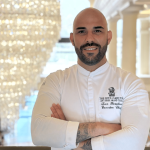
David Ferrera has built companies across multiple stages of development and has championed a venture studio approach that starts with physician collaboration, validates clinical needs early, and builds disciplined systems that can support more than one innovation at a time.
Experience compounds.
That becomes a competitive advantage.
Capital Is Used More Carefully
Spend After Validation
Medical device development costs money.
Engineering, testing, manufacturing, regulatory submissions, and clinical studies require significant investment.
Some startups spend too much before proving they have the right product.
Venture studios often follow milestone-based development instead.
Validation comes first.
Major spending follows later.
One investor described reviewing two companies with similar technology.
“The first one hired forty people before physician validation. The second stayed small until doctors confirmed the problem. We invested in the second team.”
Discipline attracts confidence.
Actionable Recommendation
Link every funding round to measurable milestones.
Do not scale until the product solves a verified clinical problem.
Shared Resources Speed Development
Teams Solve Problems Faster Together
Every new startup normally builds its own systems.
Accounting.
Quality.
Operations.
Regulatory support.
Manufacturing relationships.
A venture studio already has many of those resources.
That allows founders to spend more time improving products.
It also reduces unnecessary duplication.
Instead of solving the same operational problems repeatedly, teams can focus on patients.
Actionable Recommendation
Identify which business functions can be shared without slowing innovation.
Protect specialised expertise.
Share operational infrastructure.
Better Collaboration Creates Better Products
Engineers and Physicians Stay Connected
Communication often weakens as companies grow.
Venture studios can reduce that problem by keeping engineers close to physicians throughout development.
One engineer remembered a physician testing an early prototype.
“He handed it back after five minutes and said, ‘Move this control closer to my thumb.'”
The adjustment seemed small.
It eliminated an awkward movement during every procedure.
The improvement came from direct collaboration.
Not assumptions.
Actionable Recommendation
Schedule regular physician reviews throughout development instead of waiting until the product is nearly finished.
More Companies Can Reach Patients
Efficiency Creates Opportunity
Medical needs continue to grow.
Stroke remains one of the leading causes of death and disability worldwide. In the United States, approximately 795,000 people experience a stroke each year, according to the Centers for Disease Control and Prevention.
Healthcare systems need better tools.
Physicians need products that simplify procedures.
Patients benefit when innovation reaches hospitals faster.
A venture studio cannot eliminate every challenge.
It can reduce unnecessary delays.
That gives more promising ideas the chance to succeed.
The Future Looks Different
Building Companies Becomes More Repeatable
The next generation of medical device innovation may depend less on isolated startups and more on repeatable systems.
Experienced leadership.
Shared expertise.
Clinical collaboration.
Disciplined execution.
Those elements help transform ideas into products that physicians trust.
The goal is not simply to launch more companies.
The goal is to launch better companies.
Final Thoughts
Medical device innovation has never been limited by imagination.
It has been limited by execution.
Venture studios offer a practical way to close that gap.
They combine experienced teams, shared infrastructure, physician partnerships, and disciplined development into one repeatable model.
That approach helps founders avoid common mistakes.
It helps investors reduce risk.
Most importantly, it helps more medical devices move from promising concepts to products that improve patient care.
In healthcare, one good idea can change lives.
A strong venture studio helps make sure that idea has the best chance of getting there.