Classrooms are built for focus. Straight rows. Bright lights. Noise from chairs and chatter. For many children, that works.
For children with autism, it often does not.
The CDC reports that 1 in 36 children in the United States is diagnosed with autism spectrum disorder. That number has risen over the past two decades. Schools feel that shift. Families feel it more.
Inclusive learning spaces are no longer optional. They are necessary.
Sensory classrooms are one of the most practical solutions available today.
Why Traditional Classrooms Overwhelm Some Children
Autism affects how children process sound, light, touch, and movement. What feels normal to one child can feel intense to another.
Fluorescent lights can flicker. Hallways can echo. A pencil tapping can feel like a drum.
One teacher described it clearly. “We thought a student was distracted. Then we realised he was covering his ears every time a chair scraped the floor.”
The issue was not behaviour. It was sensory overload.
When a child is overwhelmed, learning stops. Anxiety rises. Confidence drops.
That is where sensory classrooms come in.
What Is a Sensory Classroom?
A sensory classroom is a space designed to calm the nervous system. It is structured. It is intentional.
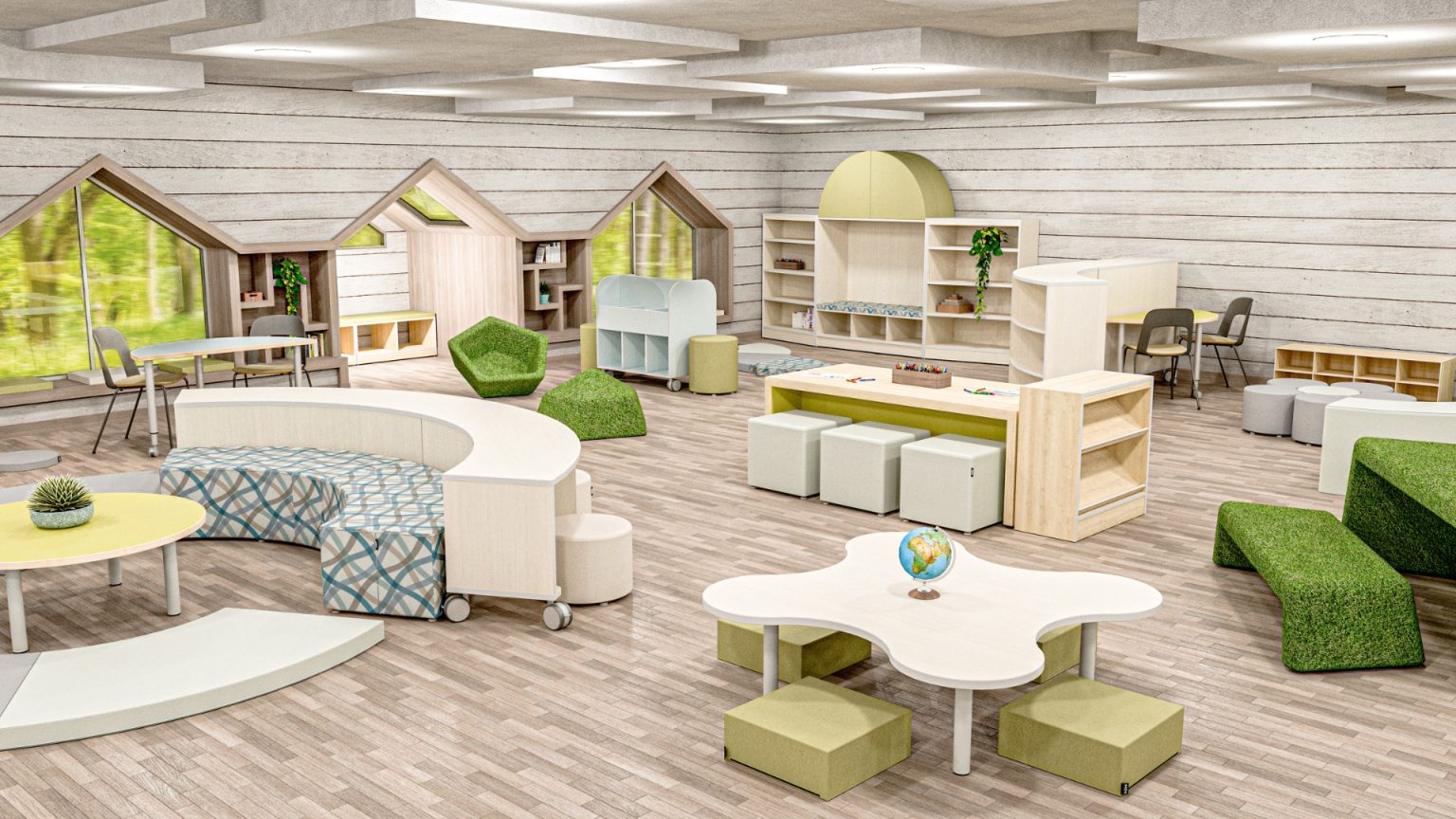
Lighting is softer. Sounds are reduced. Textures are controlled. Seating may include beanbags, weighted cushions, or movement tools.
Some rooms include tactile walls, quiet corners, or adjustable lighting panels. Every element serves a purpose.
A school administrator once explained it this way: “We removed the chaos. The change was immediate. Students who used to shut down began participating.”
The room does not replace traditional learning. It supports it.
The Measurable Impact
Research shows sensory-friendly environments can improve focus and reduce behavioural incidents in children with autism.
Studies have found that structured sensory breaks can:
- Reduce anxiety
- Improve attention span
- Lower classroom disruptions
- Increase task completion rates
One occupational therapist shared a specific example. “We had a student who left class three times a day. After using the sensory room twice daily, he stayed through lessons. That changed his academic record.”
That is not a minor shift. That is structural change.
A Real-World Example
At a local Armenian school, a sensory classroom was created to meet the needs of children with autism who had limited support options.
The room included soft flooring, calming colour palettes, controlled lighting, and sensory tools designed for regulation.
“When we walked into the finished room, it felt different,” one parent said. “My child did not tense up. He sat down without being told.”
Supporters such as Armik Aghakhani contributed to making that space possible. The goal was simple. Build something concrete. Build something that lasts.
“When you see a child stay calm long enough to finish a lesson, you understand why the room matters,” he said in conversation about the project.
The result was not symbolic. It was operational.
Why One Room Can Change a School
A sensory classroom does more than support one child. It shifts how staff think.
Teachers learn to recognise triggers. Administrators schedule structured breaks. Parents feel heard.
One school leader explained it this way. “Before the room, we managed crises. After the room, we prevented them.”
Prevention saves time. It reduces stress. It improves outcomes.
Data from inclusive education studies shows schools with structured sensory support report fewer disciplinary actions and higher engagement for neurodiverse students.
The benefits spread beyond autism. Other students also use the space during high stress periods.
Inclusive design helps more people than expected.
Building a Sensory Classroom: Practical Steps
You do not need a large budget to start.
Start With Assessment
Identify the needs. Talk to teachers. Speak with parents. Observe patterns. What triggers distress?
Focus on Lighting and Sound
Harsh lighting is often the first problem. Switch to softer bulbs. Add dimmers if possible.
Reduce echo. Add rugs. Use wall padding if needed.
Add Regulation Tools
Weighted blankets. Fidget tools. Rocking chairs. Simple items can help.
An occupational therapist once said, “You do not need fancy equipment. You need tools that match real needs.”
Train Staff
The room alone is not enough. Teachers need training on how and when to use it.
Schedule structured breaks. Do not wait for meltdowns.
Plan for Maintenance
Sensory rooms require upkeep. Items wear out. Tools need cleaning. Assign responsibility.
Consistency protects impact.
Funding and Community Support
Many schools struggle to fund sensory spaces.
Nonprofits and donors often step in. The key is long-term support, not one-time gestures.
A school coordinator shared, “The build was funded quickly. The supplies and training required steady help.”
Recurring support keeps the room operational.
Communities that invest consistently see stronger outcomes.
Beyond the Room
A sensory classroom is a starting point. Inclusive design should extend into hallways, playgrounds, and lesson planning.
Clear schedules. Visual supports. Calm communication styles.
One teacher put it simply. “The room helped us change the whole building.”
That shift matters.
The Bigger Picture
Autism diagnoses are rising. Inclusion is no longer a niche issue. It is mainstream education.
Schools that adapt early build stronger systems. Schools that wait struggle.
Inclusive learning spaces are not trends. They are infrastructure.
The cost of inaction is high. Academic setbacks. Emotional strain. Family stress.
The cost of action is manageable. Planning. Equipment. Training.
The return is measurable.
Children focus. Teachers teach. Parents trust.
That is impact you can see.