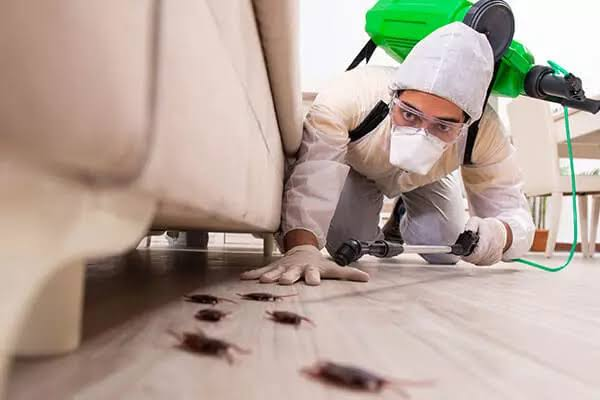
You spot a cockroach in the kitchen at night and deal with it quickly. A few days later, another appears near the dishwasher. Then there are small cockroaches inside a cupboard, dark marks near the skirting boards, or movement around the bin after the lights go out. Many households respond with supermarket sprays or traps, only to find the problem returns within weeks. Recurring cockroach activity usually means the visible insects are only part of a larger infestation hidden in cracks, appliances, wall voids, drains, or other sheltered areas.
While DIY products may provide temporary relief, persistent infestations often require a professional Cockroach exterminator to identify the source of the problem and implement targeted treatment that addresses the entire infestation.
Why Cockroaches Keep Returning
Cockroaches are highly adaptable pests that thrive wherever they can access food, water, warmth, and shelter. Kitchens, bathrooms, laundries, and storage areas can provide all four. Even a clean home may have minor crumbs beneath appliances, moisture around pipes, pet food left overnight, or cardboard packaging that gives cockroaches a place to hide.
Their nocturnal behaviour also makes infestations difficult to judge. Cockroaches usually remain hidden during the day, emerging when the home is quiet and dark. Seeing them in daylight can indicate that the population has become large enough for some insects to leave their usual harbourage areas. Victorian health guidance notes that effective control depends on inspection, reducing food, water, and shelter, targeted treatment, and follow-up monitoring.
A recurring issue may also result from cockroaches entering from outside, neighbouring properties, shared wall cavities, drains, or deliveries. German cockroaches, for example, can be transported inside cardboard boxes, food packaging, and household items. Once introduced, even a small number can establish themselves and breed quickly in suitable indoor conditions.
Why Store-Bought Treatments Often Fall Short
Aerosol sprays can kill cockroaches that are directly exposed, but they rarely reach the insects hiding behind refrigerators, inside cabinetry, beneath flooring, or within wall voids. Spraying visible cockroaches may provide temporary relief without affecting egg cases, nymphs, or the breeding population.
Some products can also cause cockroaches to scatter into new hiding areas. This can make the infestation appear quieter for a short period while allowing it to spread further through the property. In homes with children, pets, or food preparation areas, using chemicals incorrectly can create additional safety concerns.
Baits can be useful when placed correctly, but they are not always enough for established infestations. Their effectiveness can be reduced if competing food sources remain available, if the bait is contaminated, or if it is placed away from active harbourage areas. A successful treatment requires more than applying a product. It requires identifying the species, locating nesting sites, understanding movement patterns, and selecting treatment methods suited to the property.
The Health and Hygiene Risks
Cockroaches are not simply an unpleasant sight. They can contaminate food, utensils, benches, and storage areas as they move between rubbish, drains, damp spaces, and food preparation zones. Food Standards Australia New Zealand advises that pests can carry harmful micro-organisms and that food premises must take reasonable steps to prevent pests from entering, living, or breeding on site.
In residential settings, cockroach droppings, shed skins, and saliva can also contribute to poor indoor hygiene. These materials may trigger allergy symptoms in sensitive individuals and can be particularly concerning where asthma or respiratory sensitivities are present. Persistent activity around cupboards, appliances, and food storage areas should therefore be addressed promptly rather than treated as an occasional nuisance.
The longer an infestation remains active, the more likely it is to spread beyond its original location. What begins in a kitchen may move into laundries, bathrooms, bedrooms, roof spaces, or adjoining units. This is especially relevant in apartments, townhouses, and commercial buildings where pests can travel through shared plumbing, electrical conduits, and wall cavities.
What a Professional Cockroach Exterminator Does
Professional treatment is valuable because it focuses on the entire infestation rather than the cockroaches that happen to be visible. A thorough inspection can identify likely harbourage areas, entry points, moisture sources, and conditions that support ongoing activity. This allows treatment to be directed towards the places where cockroaches live and breed.
A qualified Cockroach exterminator in sydney may use a combination of:
- Gel baits.
- Insecticidal dusts.
- Targeted residual treatments.
- Monitoring traps.
- Exclusion recommendations.
The right approach depends on the species involved, the level of activity, the layout of the property, and whether food preparation, pets, or vulnerable occupants need to be considered.
Professional methods are also designed to reach difficult areas safely. Dust formulations, for example, may be used carefully in cracks, voids, and electrical areas where wet sprays are unsuitable. Health guidance notes that dusts and baits can be useful in specific harbourage areas, while broad space sprays often do not penetrate hidden nesting sites effectively.
From a professional pest management perspective, identifying where cockroaches are breeding is just as important as eliminating the insects that are visible. Treating only the surface activity often leaves the source of the infestation untouched.
Why Follow-Up Treatment Matters
Cockroach control is rarely a one-visit process when an infestation is well established. Eggs may hatch after the initial treatment, and newly emerged nymphs may require further control measures. Follow-up inspections help determine whether activity has reduced, whether bait has been consumed, and whether additional harbourage areas need attention.
Ongoing monitoring is particularly important where recurring activity has occurred for months. It can reveal whether cockroaches are being reintroduced from outside, travelling from nearby properties, or surviving in an overlooked area. A treatment plan without follow-up can leave homeowners unsure whether the issue has genuinely been resolved or has simply become less visible.
Reducing the Risk of Another Infestation
Professional treatment works best when combined with practical changes around the home. Homeowners should:
- Store food in sealed containers.
- Remove rubbish regularly.
- Avoid leaving pet food out overnight.
- Clean beneath appliances.
- Wipe up food spills promptly.
Moisture management is equally important. Repairing leaking taps, checking pipes beneath sinks, and keeping wet areas ventilated can make the property less attractive to cockroaches. Cracks around skirting boards, pipes, cupboards, and wall penetrations should also be sealed where possible. Australian health advice recommends reducing food, water, and shelter while sealing cracks and crevices to support effective control.
FAQs
Why do cockroaches return after I have sprayed them?
Sprays often kill only the cockroaches that are directly exposed. Hidden insects, egg cases, and nesting areas may remain untouched, allowing the population to rebuild.
Does seeing one cockroach mean there is an infestation?
Not always, particularly if it is an outdoor species that has entered accidentally. However, repeated sightings, small cockroaches, droppings, egg cases, or daytime activity can indicate an established indoor infestation.
Can a clean home still have cockroaches?
Yes. Cockroaches can enter through drains, cracks, deliveries, shared walls, and plumbing openings. Cleanliness helps reduce food sources, but it does not always prevent entry or breeding.
How long does professional cockroach treatment take to work?
Activity may reduce quickly, but complete control can take time depending on the species, infestation size, and treatment method. Follow-up visits may be needed to manage newly hatched cockroaches.
Are cockroaches more common in kitchens and bathrooms?
Yes. These areas often provide food residue, moisture, warmth, and sheltered gaps around appliances, pipes, and cabinetry.
Can cockroaches spread between apartments?
Yes. They can move through shared wall cavities, plumbing systems, service openings, and common areas, which is why recurring activity in multi-unit buildings may require coordinated treatment.