Becoming a successful business leader is not simply about holding a title or managing a team. True leadership in business is a long-term journey that requires vision, discipline, emotional intelligence, strategic thinking, and the ability to inspire others. In today’s competitive and constantly evolving business environment, leadership plays a critical role in determining whether an organization grows steadily or struggles to survive.
A strong business leader is responsible for shaping direction, making important decisions, building culture, and ensuring long-term sustainability. Leadership also connects closely with foundational business processes such as company registration, which marks the legal beginning of a business journey and sets the structure within which leadership operates.
Without effective leadership, even the most promising business ideas can fail. However, with the right mindset and skills, anyone can grow into a capable and successful business leader over time.
Understanding What Business Leadership Really Means
Business leadership is often misunderstood as simply giving orders or managing employees. In reality, leadership is about influence, responsibility, and vision. A business leader guides people toward a shared goal while ensuring that the organization remains financially stable, ethically responsible, and strategically focused.
Leadership requires the ability to balance short-term challenges with long-term objectives. It also involves making difficult decisions that may not always be popular but are necessary for growth and sustainability.
A successful business leader does not only focus on profit but also considers people, processes, and long-term impact. This balanced approach creates trust and stability within an organization.
The Importance of Vision in Leadership
Every successful business leader starts with a clear vision. Vision defines where the business is heading and what it aims to achieve in the future. Without vision, leadership becomes reactive rather than proactive.
A strong vision provides direction during uncertain times. When challenges arise, leaders with a clear purpose are able to make decisions that align with long-term goals rather than short-term pressure.
Vision also inspires teams. Employees are more motivated when they understand the bigger purpose behind their work. A leader who communicates vision effectively creates unity and commitment within the organization.
Vision should be realistic, adaptable, and deeply connected to the values of the business. It acts as the foundation for strategy, growth, and organizational culture.
Building Strong Leadership Skills
Successful business leadership requires continuous skill development. Leadership is not an inherited trait but a learned ability that improves with experience and effort.
Communication is one of the most important leadership skills. A leader must be able to clearly express ideas, expectations, and feedback. Poor communication often leads to confusion, low productivity, and internal conflict.
Decision-making is another essential skill. Leaders are often required to make complex decisions under pressure. Strong decision-making involves analyzing information, evaluating risks, and choosing the best possible outcome for the business.
Emotional intelligence is equally important. Understanding emotions, both personal and those of others, helps leaders manage teams effectively and resolve conflicts with empathy.
Time management, strategic thinking, and adaptability are also crucial for long-term success.
The Role of Company Registration in Leadership Journey
Before a leader can build and scale a business, there must be a legal foundation. Company registration is one of the first formal steps in establishing a business entity. It provides legal recognition, structure, and credibility.
From a leadership perspective, company registration is important because it defines the framework within which decisions are made. It determines ownership structure, tax responsibilities, legal obligations, and operational boundaries.
A registered company also builds trust with customers, investors, and partners. It signals that the business is legitimate and committed to long-term operations.
For leaders, understanding company registration is essential because it influences how the business is managed, how risks are handled, and how growth is structured. Strong leadership begins with a strong foundation, and company registration is part of that foundation.
Developing a Strong Organizational Culture
A successful business leader understands that culture is one of the most powerful forces within an organization. Culture defines how employees behave, communicate, and perform their tasks.
A positive organizational culture encourages collaboration, innovation, and accountability. It also increases employee satisfaction and reduces turnover.
Leaders shape culture through their actions, decisions, and communication style. If a leader values honesty and transparency, the organization is more likely to reflect those values.
Building a strong culture requires consistency. Leaders must set clear expectations and lead by example. Culture cannot be created overnight; it develops over time through repeated behavior and shared values.
Effective Decision-Making in Business Leadership
Decision-making is at the core of leadership. Every day, business leaders face decisions that impact operations, finances, employees, and long-term strategy.
Effective decision-making involves gathering accurate information, analyzing potential outcomes, and considering both risks and opportunities. Leaders must also be able to make decisions quickly when necessary, especially in fast-moving business environments.
However, speed should not replace careful thinking. The best leaders balance intuition with data-driven analysis.
Strong decision-making also involves learning from past mistakes. Leaders who reflect on their decisions and adjust their approach are more likely to improve over time.
Communication as a Leadership Foundation
Communication is one of the strongest tools a business leader can possess. It ensures that ideas are clearly understood and that teams are aligned with organizational goals.
A leader must communicate not only instructions but also vision, expectations, and feedback. Poor communication often leads to misunderstandings, reduced productivity, and conflict within teams.
Active listening is equally important. Leaders who listen to their employees gain valuable insights, improve relationships, and build trust.
Clear and consistent communication strengthens organizational efficiency and ensures that everyone is working toward the same objectives.
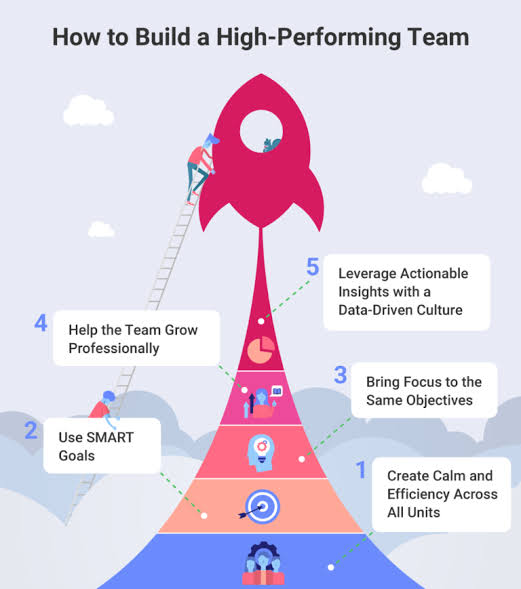
Building and Leading High-Performance Teams
A business leader is only as strong as the team they build. Hiring the right people, developing their skills, and motivating them is essential for long-term success.
High-performance teams are built on trust, accountability, and shared goals. Leaders must ensure that employees understand their roles and feel supported in their responsibilities.
Training and development are also critical. When employees grow, the entire organization benefits.
A good leader recognizes talent, encourages innovation, and provides opportunities for growth. This creates a motivated workforce that contributes to business success.
Financial Understanding for Business Leaders
A successful leader must have a strong understanding of financial management. Even if financial tasks are delegated, leaders must still understand how money flows within the organization.
This includes understanding revenue, expenses, profit margins, and investment decisions. Financial awareness helps leaders make informed decisions that support sustainability and growth.
Without financial understanding, businesses can quickly face instability, even if they are growing in other areas.
Financial discipline also ensures that resources are used efficiently and that long-term planning is realistic.
Adaptability in a Changing Business Environment
Modern business environments are constantly changing due to technology, market trends, and customer expectations. Successful leaders must be adaptable and open to change.
Adaptability means being willing to adjust strategies, adopt new technologies, and rethink traditional methods when necessary.
Leaders who resist change often fall behind competitors. On the other hand, those who embrace change are more likely to discover new opportunities and maintain relevance.
Adaptability also involves continuous learning. Leaders must stay informed about industry developments and be willing to evolve their skills.
Ethics and Responsibility in Leadership
Ethical leadership is essential for long-term success. Businesses that operate with integrity build stronger reputations and gain customer trust.
Ethical leaders make decisions based not only on profit but also on fairness, transparency, and responsibility.
Ignoring ethical standards can lead to legal issues, reputational damage, and loss of trust. In contrast, ethical leadership creates stability and long-term credibility.
Responsibility also includes accountability for decisions and outcomes. Leaders must take ownership of both successes and failures.
Long-Term Strategic Thinking
Short-term thinking can limit business growth. Successful leaders focus on long-term strategy rather than immediate results.
Strategic thinking involves setting goals, planning resources, analyzing risks, and anticipating future challenges.
A long-term approach ensures that the business grows steadily and sustainably. It also helps leaders prepare for uncertainties and market changes.
Strong strategic planning is essential for building a business that lasts.
Conclusion
Becoming a successful business leader is a continuous journey that requires dedication, learning, and self-improvement. Leadership is not defined by position but by the ability to guide, inspire, and create long-term value.
Strong leadership begins with vision, communication, decision-making, and emotional intelligence. It is also supported by foundational steps such as company registration, which provides the legal and structural base for business operations.
Successful leaders build strong teams, develop positive organizational culture, and maintain financial and ethical discipline. They also remain adaptable in changing environments and focus on long-term strategic growth.
Ultimately, leadership is about responsibility and impact. Those who commit to growth, learning, and integrity are more likely to become successful business leaders and build organizations that thrive over time.
FAQs
What is business leadership?
Business leadership is the ability to guide, influence, and manage a team or organization toward achieving long-term goals and success.
Why is company registration important for business leaders?
Company registration provides legal recognition, structure, and credibility, allowing leaders to operate their business within a formal framework.
What skills are needed to become a successful business leader?
Key skills include communication, decision-making, emotional intelligence, strategic thinking, and adaptability.
Can leadership be learned?
Yes, leadership is a learned skill that improves with experience, practice, and continuous learning.
How does communication affect leadership success?
Effective communication ensures clarity, reduces conflict, and aligns teams with organizational goals.
Why is adaptability important in leadership?
Adaptability allows leaders to respond effectively to changes in the market, technology, and customer expectations.
What role does ethics play in leadership?
Ethics builds trust, credibility, and long-term stability by ensuring fair and responsible decision-making.
How can a leader build a strong team?
A leader can build a strong team by hiring the right people, providing training, encouraging collaboration, and maintaining motivation.