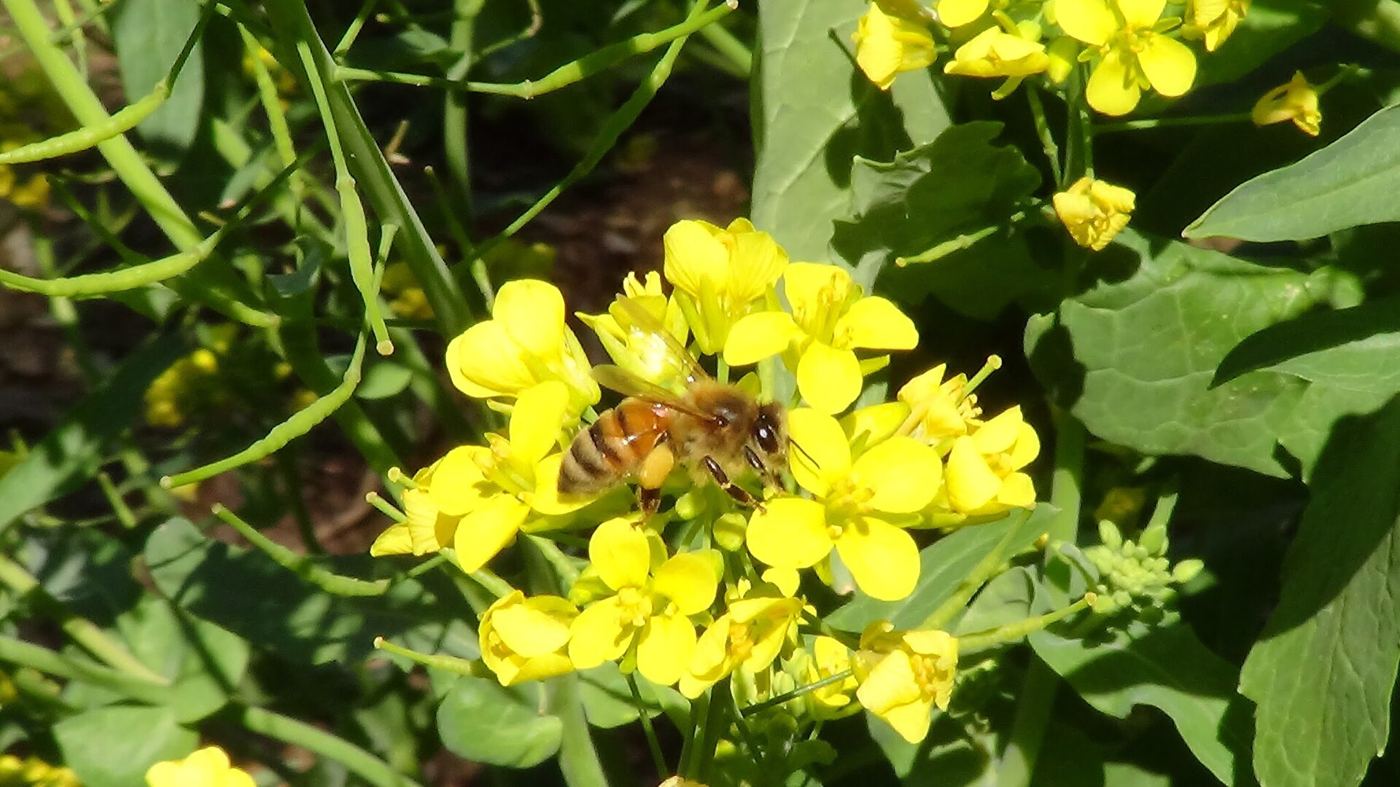
A honeybee leaving the hive on a bright morning faces a serious navigational puzzle. Flowers bloom and fade, landmarks shift with the seasons, and the richest patches of nectar may be hundreds of metres from home. Yet bees return to profitable flowers with remarkable precision, and new research into how they remember those locations is giving scientists a clearer picture of one of nature’s smallest and most capable brains.
A Memory Built for Foraging
Researchers have long known that bees learn the colour, shape and scent of rewarding flowers. What recent experiments add is evidence of how durable that learning can be. Bees trained to associate a particular flower pattern with food continued to choose it days later, even after visiting many other blooms in between. The memory appears to be refreshed each time the bee feeds, effectively stamping the location as worth another trip. Studies of pollinator behaviour reviewed by journals such as Nature suggest this kind of long-lasting memory helps a colony exploit scattered food sources efficiently, sending experienced foragers straight to known patches while younger bees explore.
The famous waggle dance is part of the story, but only part. A returning bee can communicate distance and direction to her nestmates, yet individual memory still decides much of what happens on the next flight. Experienced foragers often ignore dances and fly directly to places they personally remember, which means a colony’s knowledge of its landscape is stored across thousands of individual minds rather than in any single map.
Why It Matters Beyond the Hive
Understanding bee memory is not just an academic curiosity. Farmers depend on bees to pollinate crops from almonds to apples, and planting decisions increasingly take pollinator behaviour into account. Strips of wildflowers placed where bees can learn and revisit them, for example, support both the insects and the yields of nearby fields. Memory research also offers a window into how small brains solve problems that engineers still find difficult, from navigating cluttered environments to learning from very few examples.
There is a more urgent reason to pay attention. Pesticide exposure, habitat loss and disease can all interfere with learning and memory, and a bee that cannot remember where the flowers are is a bee that cannot feed her colony. Protecting pollinators therefore means protecting the conditions that let them learn: diverse forage, clean water and landscapes where good feeding sites persist long enough to be worth remembering. The humble foraging flight, repeated millions of times a day around the world, turns out to rest on a memory far more sophisticated than its size would suggest.
Laboratory findings are now being tested in the field, where bees face wind, predators and competing colonies rather than controlled feeders. Small tracking tags and observation hives let researchers follow individual foragers across real landscapes, confirming that experienced bees do indeed develop favourite routes and feeding sites that they defend in their schedules for days. The work is slow and painstaking, but it is turning a good story about clever insects into measured evidence about how pollination, and much of our food supply, actually works.