Global Trade Finds New Routes and Partners is capturing attention well beyond specialists this week. Exporters are diversifying factories and shipping routes after years of disruption from pandemics, wars and tariffs. The development matters now because timing, cost and public trust are converging: decisions taken in the next few months could shape outcomes for years. This report explains what has changed, what the evidence actually supports, and what readers should watch next, in plain language and without the hype that often surrounds fast-moving stories like this one.
What Is Happening
Officials, analysts and people directly affected describe a situation that is moving in stages rather than all at once. Early decisions tend to lock in later options, which is why scrutiny is intense now. Reporting by outlets such as Reuters shows similar patterns in other regions, where preparation, clear communication and steady funding made the difference between a smooth change and a disruptive one. Local voices remain central, because national headlines rarely capture costs and benefits street by street. At the centre of the story is shifting global trade routes, and understanding that focus helps separate durable change from temporary noise. Specialists interviewed across the field agree on the broad direction even where they dispute the pace. Wider context is available from Reuters.
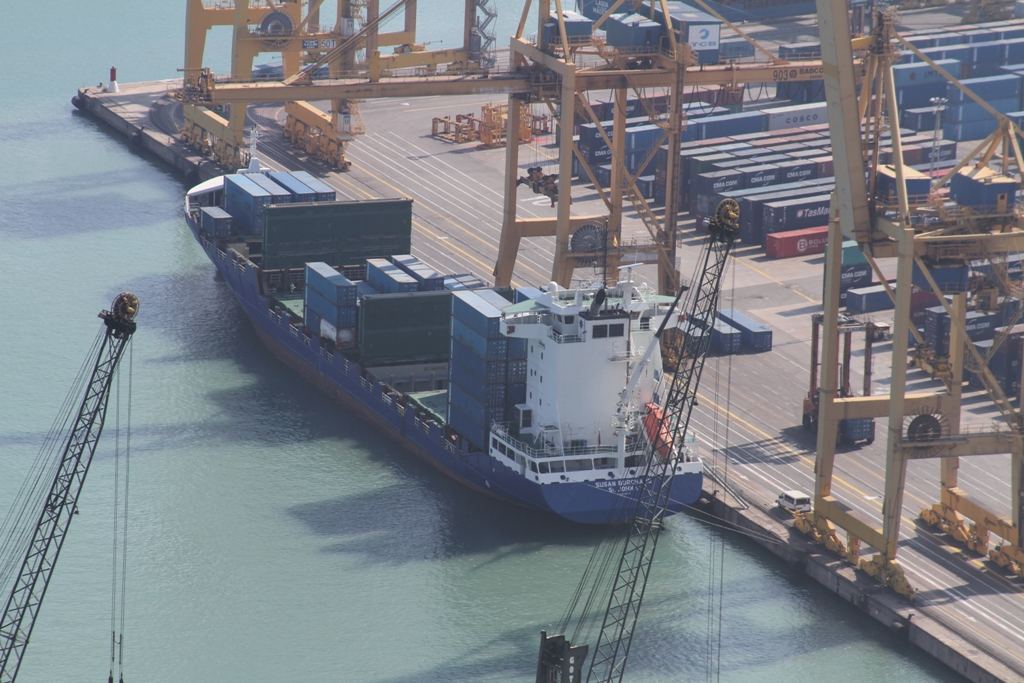
Ports in Southeast Asia, Mexico and Eastern Europe are winning investment as firms seek resilience as well as low cost. For background and related reporting, see our news coverage, which tracks how this theme has developed over recent months. Observers note that early claims often need revision as fuller data arrives, so the most reliable approach is to follow primary sources, compare several reputable outlets, and pay attention to what practitioners on the ground are actually seeing rather than relying on social media summaries alone.
Why It Matters
For readers following developments, the practical question is what changes first and who feels it. Timelines can slip, budgets can move and opponents can force revisions, so promises should be judged against funded plans and published milestones. Community groups are asking for transparent updates, while businesses plan for several scenarios. That caution is reasonable: the story is significant, but its final shape will be decided by implementation, not by announcements alone. The implications of shifting global trade routes extend into budgets, planning and everyday choices, which is why careful, evidence-based reporting matters more than speed alone in moments like this.
What happens next will depend on follow-through. Milestones to watch include new data releases, funding decisions, independent evaluations and the response of the people most affected. Further reading from BBC News offers useful international perspective, and our editors will update this story as verified information emerges. Readers can also follow the latest news for connected developments. For now, the balanced conclusion is neither alarm nor complacency: the change is real, the evidence is growing, and the smartest response is informed attention rather than rushed judgement.