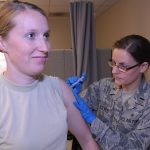
When a 91-year-old was attacked by a raccoon, the urgent medical advice was clear: begin rabies post-exposure treatment without delay. What followed was a second shock. The vaccine course was not covered in the way the patient expected, and the cost ran to hundreds of dollars — a bill arriving at exactly the moment when delaying treatment was not a safe option. The story has become a pointed example of a wider problem: rabies prevention is time-critical, universally recommended after a possible exposure, and yet patients can still face confusing coverage gaps.
Why Rabies Treatment Cannot Wait
Rabies is almost invariably fatal once symptoms appear, but it is preventable if treatment begins in time. Post-exposure prophylaxis, usually shortened to PEP, combines thorough wound washing, a course of rabies vaccine and, for people who have never been vaccinated before, rabies immune globulin. The U.S. Centers for Disease Control and Prevention sets out the recommended schedules and stresses that treatment decisions should be based on the nature of the exposure and local public-health advice, not on a patient’s ability to pay.
Raccoons are among the wild animals most commonly associated with rabies in North America, alongside bats, skunks and foxes. A bite or scratch from such an animal is treated seriously even when the wound looks minor, because the consequences of missing a genuine exposure are so severe. The World Health Organization notes that globally, dogs account for the great majority of human cases, and that prompt, complete prophylaxis is effectively 100 per cent protective when given correctly and in time.
Where the Coverage Gaps Appear
In principle, a treatment this essential should be straightforward to fund. In practice, patients can encounter a maze. Vaccines may be billed differently depending on whether they are given in an emergency department, a doctor’s office or a public-health clinic. Immune globulin, which is considerably more expensive than the vaccine itself, can fall under a different part of a policy. Older patients may find that a product is classed under a pharmacy benefit rather than medical cover, leaving them exposed to deductibles or cost-sharing they did not anticipate.
Clinicians describe a recurring pattern: patients arrive frightened, are told correctly that they should not wait, complete the course — and only afterwards discover the size of their share of the bill. Some then hesitate over later doses in the series, which must be given on specific days to be fully effective. Public-health specialists are blunt about the risk this creates. A course of PEP that is started but not finished because of cost is a failure of the system, not of the patient.
What Patients Should Know After an Animal Bite
The first steps have nothing to do with insurance. Wash the wound immediately and thoroughly with soap and running water, seek medical care the same day, and report the incident to local animal control or public-health authorities, who can advise on whether the animal can be observed or tested. Photograph documents, keep appointment records for every dose, and ask the treating facility in advance how each element will be billed.
If a bill arrives that seems wrong, patients can ask for an itemised statement, check whether the vaccine and immune globulin were coded correctly, and contact their insurer and the hospital’s billing advocate before paying. Many hospitals have financial-assistance policies, and public-health departments in some areas can supply vaccine through clinics at lower cost. State health departments can also confirm which facilities stock immune globulin, which is not available everywhere.
A Preventable Bill for a Preventable Disease
The case of the 91-year-old attacked by a raccoon resonates because the patient’s choices were so constrained. Nobody weighs up the price of rabies treatment against the alternative; the alternative is unthinkable. Health economists argue that emergency, guideline-mandated preventive care of this kind is precisely where coverage should be automatic and predictable, and where surprise billing does the most damage to trust.
Until those gaps are closed, awareness is the practical defence. Follow our reporting on these issues in the medical section of News World Daily, and find the day’s main headlines on our homepage. Anyone bitten or scratched by a wild animal should treat first and dispute paperwork later — but, as this case shows, the paperwork can still leave a lasting sting.