Tooth decay in children often begins quietly. A child may still brush their teeth, eat normally, and show no obvious discomfort, while early changes are already developing on the tooth surface. Parents are understandably focused on daily routines such as school, meals, sleep, and activities, so small changes inside the mouth can be easy to miss. By the time a child complains of pain, the decay may have progressed beyond its earliest stage, which is when a visit to a dentist in Glebe can make the most difference.
Baby teeth matter because they support chewing, speech development, jaw growth, and the spacing of adult teeth. Early decay should not be dismissed simply because baby teeth will eventually fall out. Prompt attention can help protect a child’s comfort and reduce the likelihood of more involved treatment later.
Why Early Tooth Decay Is Hard to Notice
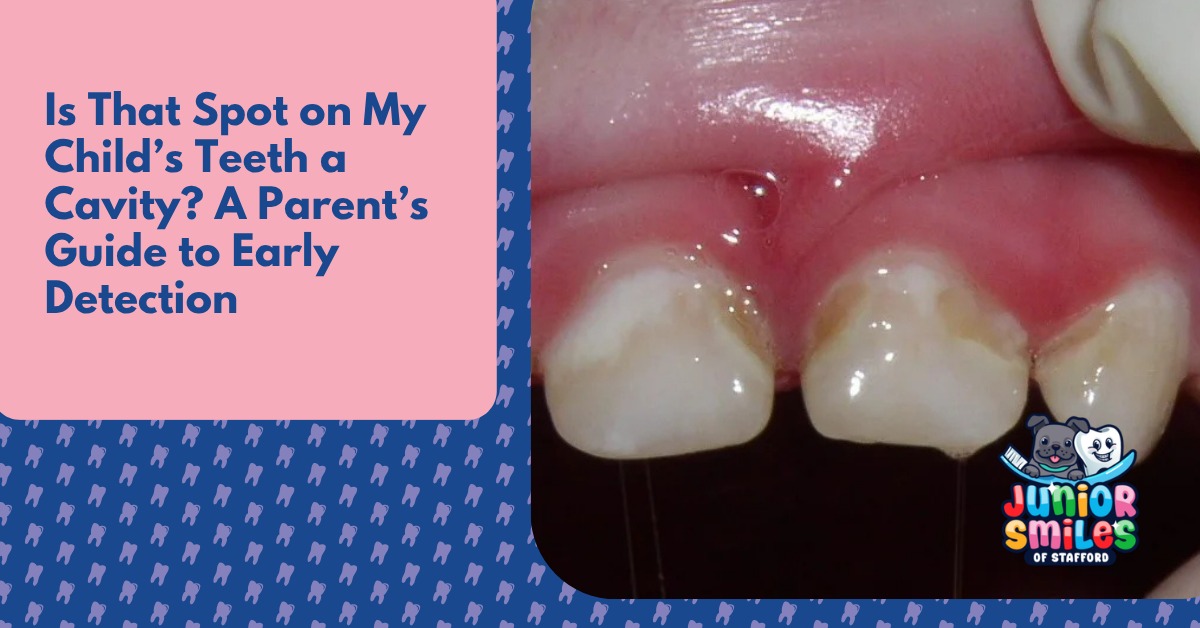
Early decay does not always look like a visible hole. It can begin as a subtle change in the enamel, often appearing as a chalky white line or spot close to the gumline. These marks may be difficult to see in ordinary bathroom lighting, particularly if the child is reluctant to keep their mouth open for long.
Decay can also develop between teeth or on back molars, where parents cannot easily see it. Food particles and plaque can collect in these areas, especially when brushing is rushed or when children are still learning how to clean effectively. A dental examination can identify changes that are not obvious at home and assess whether the enamel is beginning to weaken.
In young children, decay can progress more quickly than many parents expect, because baby teeth have thinner, softer enamel than adult teeth. NSW Health notes that early decay may start as white spots or lines before becoming yellow or brown and eventually forming holes.
Common Early Signs in Children
The visible signs worth watching for include:
• White, opaque spots on the teeth, often most noticeable near the gumline, which can indicate that minerals are being lost from the enamel.
• Brown, yellow, or black marks that do not brush away, which may suggest decay has progressed further.
Some children show behavioural signs before parents see visible changes. They may avoid cold foods, complain that sweet foods hurt, or become sensitive when brushing. A child may also chew on one side of the mouth or avoid certain textures because a tooth feels uncomfortable. Persistent bad breath can sometimes be linked to poor oral hygiene or decay, although it can have other causes as well.
Parents may find it useful to look at their child’s teeth regularly, including lifting the upper lip to check the front teeth and gumline. NSW Health advises seeking dental care if white lines appear near the gumline, or if brown or yellow spots do not brush off.
What Causes Tooth Decay in Kids
Tooth decay occurs when bacteria in dental plaque use sugars from food and drinks to produce acids. These acids weaken the enamel over time. Frequent exposure matters because teeth need time between meals and snacks to recover from acid attacks.
The most common contributing factors include:
• Regular snacking on sweet or sticky foods, and frequent sugary drinks, juice, cordial, or soft drinks.
• Sipping sweet drinks over long periods, which keeps the teeth exposed to sugar repeatedly.
• Putting a baby or toddler to sleep with a bottle containing milk, formula, juice, or another sweet drink.
• Poor or rushed brushing that leaves plaque on the teeth, particularly missed night-time brushing.
Young children often need help or supervision with brushing, as they may not yet have the coordination to clean all tooth surfaces thoroughly. Inconsistent routines can allow plaque to remain on the teeth for longer.
Why Early Detection Matters
Early-stage decay can sometimes be managed with preventive care before it becomes a cavity. When the enamel has only started to lose minerals, a dentist may recommend fluoride-based prevention, improved brushing routines, dietary changes, or monitoring. This approach is generally simpler than treating a tooth after a hole has formed.
When decay is left untreated, it can progress into pain, infection, swelling, sleep disruption, and difficulty eating or concentrating. In more serious cases, children may need fillings, tooth removal, or hospital-based dental treatment. Australian health services emphasise that early childhood decay can progress quickly and may lead to infection, pain, and early tooth loss if it is not addressed.
Early attention also helps children develop a more positive relationship with dental care. Routine visits are usually less stressful than appointments made only when a child is already in pain.
How a Dentist in Glebe Can Help
A dental check-up allows a clinician to examine areas that are difficult to assess at home, including the back teeth and spaces between teeth. They can distinguish between staining, enamel changes, early decay, and more advanced cavities. If required, dental X-rays may help identify decay developing between teeth before it becomes visible.
Depending on the child’s age and the condition of the teeth, early treatment may involve professional cleaning, fluoride application, fissure sealants on suitable molars, or advice on brushing and diet. The aim is to protect the tooth structure and prevent a small concern from becoming a more complex problem. In our experience, the children who cope best with dental care are usually those who start regular visits early, before any treatment is needed.
Regular visits also give parents practical guidance that suits their child’s stage of development. This may include advice about toothpaste amounts, brushing technique, bottle use, snacks, and the transition from supervised brushing to more independent care.
Worried about a white spot or discolouration on your child’s tooth? Get in touch with us to have it checked and find out whether preventive care is enough.
Prevention Tips for Parents
Consistent oral hygiene is one of the most effective ways to reduce decay risk:
• Brush twice daily, including before bed, using an age-appropriate toothbrush and fluoride toothpaste as advised by your dental professional.
• Give younger children active help, so all tooth surfaces are cleaned properly.
• Limit sugary foods and drinks between meals, and offer water as the main drink for thirst.
• Avoid using sweet drinks as comfort drinks or leaving them in a bottle at bedtime.
• Encourage regular meals rather than continuous grazing throughout the day.
Routine dental visits are equally important. They allow early changes to be identified before discomfort develops and help children become familiar with the dental environment. Visiting a dentist in Glebe regularly can help detect early signs of tooth decay in children and support long-term oral health. If you have noticed any early signs, get in touch with us to arrange a check-up.
FAQs
What is the first sign of tooth decay in children?
Early decay may appear as chalky white spots or lines near the gumline. These can later turn yellow or brown if the condition progresses.
Can baby teeth get cavities?
Yes. Decay can begin as soon as a child’s first teeth emerge. Baby teeth have thinner enamel than adult teeth and can be more vulnerable to rapid decay.
Why does my child have tooth sensitivity?
Sensitivity can occur when enamel is weakening or decay is developing. It may also have other causes, so a dental assessment is the safest way to identify the reason.
Can tooth decay in children be reversed?
At the very early white-spot stage, preventive treatment and fluoride may help stop or reverse the process. Once a cavity has formed, dental treatment is usually needed.
How can I prevent my child from getting cavities?
Help them brush twice daily, limit sugary snacks and drinks, avoid bottles with sweet liquids at bedtime, and arrange regular dental check-ups.
When should I take my child to the dentist?
A dental visit is recommended when the first tooth appears or around the first birthday. You should also arrange an appointment promptly if you notice white lines, discolouration, pain, swelling, or changes in eating habits.
Meta title (47 characters): Early Tooth Decay in Children | Dentist in Glebe
Meta description (151 characters): Early tooth decay in children is easy to miss. Learn the first signs, the causes, and when to see a dentist in Glebe to protect your child’s baby teeth.