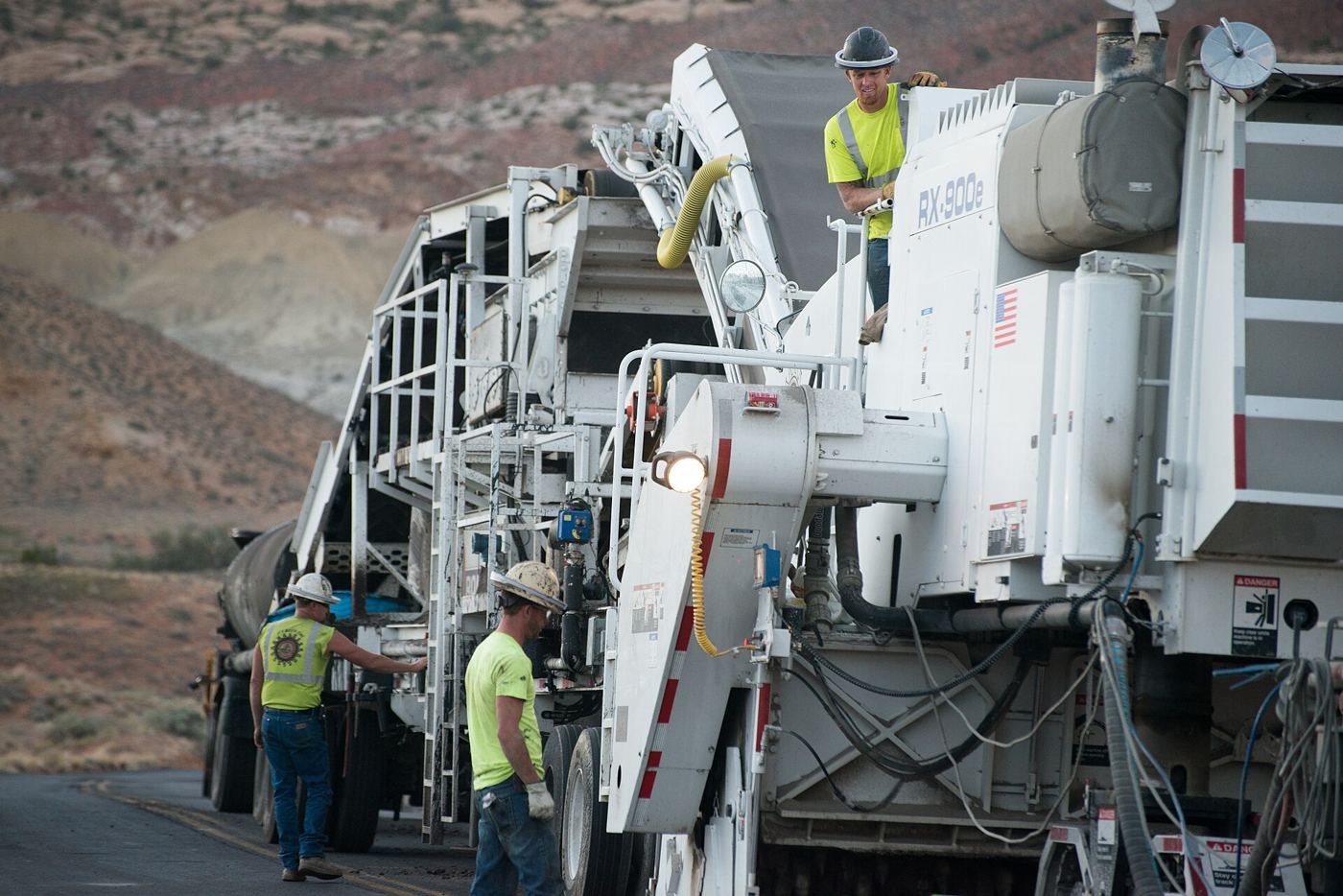
Road crews have begun an intensive round of pothole repairs on residential streets and bus routes before freezing nights turn small defects into dangerous holes. Inspectors have been grading reported damage by depth and location, sending the first gangs to sites near crossings, cycle lanes and junctions where a sudden jolt causes the greatest risk. The repair method being used cuts out the damaged area and seals the edges, rather than simply filling the hole, which engineers say lasts far longer through wet and frosty weather. Residents are being warned about short closures and noisy cutting work, although most repairs are expected to take less than a day per street. Drivers and cyclists have welcomed the programme but say reporting systems should confirm when a repair is finished instead of leaving people to guess. The highways team says every report now receives a reference number and a target date. Priority is also being given to streets outside schools and care homes, where uneven surfaces worry staff most.
What the Evidence Shows
Engineers say water is the enemy throughout the season, because it seeps into cracks, freezes and forces the surface apart from below. Specialists following winter pothole repair crews note that quick temporary patches still have a place during storms, as long as a permanent repair follows soon after. Parish and neighbourhood groups are helping by reporting damage on quieter lanes that inspectors visit less often. The council says repeat failures at the same spot will trigger a deeper investigation into drainage or underground pipes. Progress figures will be published street by street until spring. The highways team says it would rather explain a short closure now than face emergency repairs on an icy night later in the season. Cyclist groups have welcomed the focus on junctions, where riders must swerve around damage while watching traffic from several directions. A small reserve budget is being held back for fresh damage reported after storms in the new year. Reporting and analysis from sources such as BBC News track the same developments, and specialists following winter pothole repair crews say the direction is now consistent across independent lines of evidence.
The Wider Context
The wider context is a public conversation conducted at a speed institutions were not built for. Developments around winter pothole repair crews are announced, contested and revised within a single news cycle, and the officials involved have learned to publish evidence alongside claims so that scrutiny can actually occur. Trust, the polling suggests, follows that transparency more than it follows confidence.
What Happens Next
What happens next in the story of winter pothole repair crews will be decided in the places where it is being implemented, measured and argued about in public. The officials and organisations involved have committed to publishing progress data, and that commitment gives residents, businesses and journalists something firmer than promises to judge. The next milestones are dated, which means they can be checked. You can follow related developments in our coverage of news.
None of this will be settled by a single announcement, study or product launch. The pattern to watch is accumulation: independent confirmations, honest reporting of failures and steady improvement in the underlying numbers. Readers who follow those signals, rather than the loudest claim of the week, will understand this subject better than most of the commentary surrounding it suggests is possible.