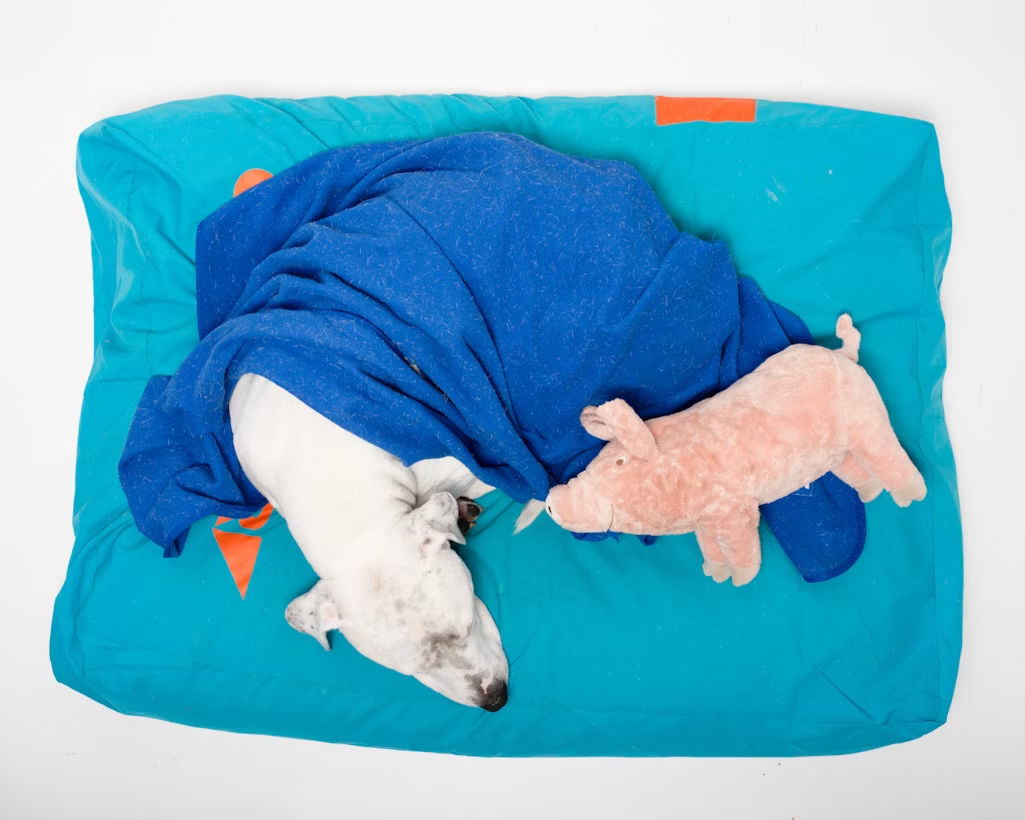
Most dog owners think hard about food. They compare kibble brands, book vet visits weeks in advance, and burn half a Saturday at the dog park. Sleep, somehow, gets overlooked. And that’s a real miss, because your dog leans on good rest just like you do – for their body, their mood, and their ability to think straight. Sorting out your dog’s sleep could be one of the easiest wins for their overall health.
The Science Behind Canine Sleep
Dogs sleep a lot. Most land between 12 and 14 hours a day, and puppies and seniors tend to clock even more. It can look like pure laziness, but a lot is going on while they’re out. As your dog sleeps, their body repairs tissue, files away memories, balances hormones, and props up the immune system.
Their sleep cycles aren’t so different from ours. There’s light sleep, deep sleep, and REM – the stage where the dreaming happens. REM does heavy lifting when it comes to steady emotions and clear thinking. The catch is simple enough: a dog who keeps getting jostled awake, or who sleeps in a noisy, busy spot, often can’t get into REM properly. Stretch that over weeks and months, and it starts to show.
Breed and age tilt things too. Bigger dogs usually sleep more than little ones, and working dogs or high-energy breeds need extra recovery beyond that. Puppies burn through all those hours fuelling fast brain growth. Older dogs, meanwhile, slow down and rest more, since their bodies are working harder just to keep the lights on.
Spotting Sleep Deprivation
A tired dog rarely lies there wide-eyed at 3 a.m. The signs are quieter, and they’re easy to pin on something else.
A normally laid-back dog might get snappy – shorter with the kids, quicker to grumble at the cat. You might notice restlessness, or low-grade anxiety, or a stubborn refusal to settle even after the house has gone quiet for the night.
The physical side counts too. Poor sleep wears down the immune response, so your dog picks up bugs more easily. In older dogs, ongoing disruption can speed along cognitive decline. So when your dog seems “off” and there’s no obvious reason, give sleep a proper look before you start fearing the worst.
How to Help Your Dog Sleep Better
Here’s the encouraging part. A lot of dog sleep trouble traces back to the environment, and that’s something you can actually do something about.
- Keep a steady routine. Dogs love a predictable day. Feed, walk, and wind down at roughly the same times, and their internal clock falls into step. A reliable evening pattern – walk, quiet stretch, then bed – helps your dog drop off faster and stay under longer.
- Get the sleeping surface right. Where your dog sleeps matters as much as when. Bare floors give nothing back, and thin cushions flatten within months. A good foam dog bed offers orthopaedic support, spreading your dog’s weight evenly and taking pressure off the joints. That’s a big deal for large breeds and older dogs living with arthritis or hip dysplasia.
- Cut down on disruptions. Tuck the bed into a low-traffic corner, away from rattling appliances, street noise, and the steady parade of feet. A dim, quiet spot reads as safe. Some dogs settle quicker with a blanket nearby – bonus points if it smells like home.
- Deal with anxiety head-on. Separation, loud noises, a rough history – any of these can keep a dog from relaxing at bedtime. If you spot anxious behaviour before sleep, have a word with your vet. The options run from behavioural training to calming aids, and sometimes medication.
The Payoff
Sleep isn’t idle time you can wave off. It’s an active process holding up your dog’s mood, memory, and defences against illness. Mind the routine, give them a comfortable place to rest, and step in early when something feels wrong – that’s genuine work toward a longer, healthier life.
And none of it needs to be a big production. A decent bed, a calm corner, a rhythm your dog can count on. Small changes, but your dog will feel them!