
Introduction
A pet’s heart and blood vessels play an important role in keeping the body working properly. The heart moves blood around the body, helping deliver oxygen and nutrients to different organs. When a dog or cat develops a heart or blood pressure problem, a veterinarian may recommend further checks, lifestyle changes, or specific veterinary products. Understanding these options can help owners make better decisions and follow their pet’s care plan with confidence.
Choosing a product for heart health is not simply a matter of picking a familiar brand or reading a label. Different products have different ingredients, purposes, strengths, and forms. Some are prescription medicines, while others may belong to different areas of pet care. Owners should understand these differences and discuss any concerns with a veterinary professional before starting, stopping, or changing a product.
Understanding Heart and Blood Pressure Care for Pets
Heart and blood pressure conditions can affect dogs and cats in different ways. Some pets may show changes in their energy, breathing, appetite, or daily activity, while others may not show clear signs at first. These changes can have several possible causes, so owners should avoid trying to identify a condition based on symptoms alone. A veterinary examination is the right starting point when something seems unusual.
A veterinarian may use physical examinations and other tests to understand how a pet’s heart and circulation are working. The care plan will depend on the animal’s condition, age, medical history, and test results. In some cases, a prescribed medicine may be part of that plan. Regular check-ups also help the veterinarian review progress and decide whether any changes are needed.
Exploring Available Veterinary Product Categories
Pet owners researching heart-related products may come across different brands, ingredients, and product types. It is important to read each listing carefully instead of assuming that products in the same category are interchangeable. A product’s name, active ingredient, strength, dosage form, and intended animal can all affect whether it matches the veterinarian’s instructions. The label and professional guidance should always take priority over general online information.
For those comparing available options, theveterinary heart product information category provides a place to explore products listed for heart and blood pressure care. A category page can help owners understand the range of products available, but it does not decide which option is suitable for an individual pet. Each product should be checked separately, and any medicine should be used only according to the advice of the prescribing veterinarian.
Getting to Know FORTEKOR Benazepril Tablets
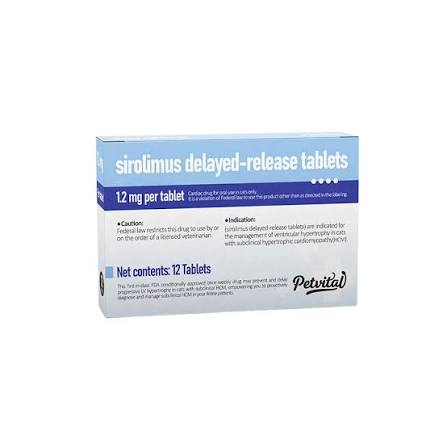
FORTEKOR is a veterinary product brand associated with benazepril tablets. The product listing forFORTEKOR benazepril tablets identifies a tablet presentation for dogs and cats. Owners should check the exact product details, including the stated animal, tablet strength, and pack information, before comparing it with a prescription or veterinary recommendation. Similar brand names or products with related ingredients should not be treated as identical.
Benazepril is an active ingredient used in veterinary medicines, but the right treatment depends on the individual animal and the reason it has been prescribed. Owners should not choose a strength or change the amount given based on another pet’s treatment. If a tablet is difficult to give, or if a pet seems unwell after taking a medicine, contact the veterinarian for advice. Do not change or stop a prescribed treatment without professional guidance.
Checking Labels, Packs, and Veterinary Advice
Product labels provide important details that help owners identify what they are buying. Check the brand name, active ingredient, strength, dosage form, intended animal, and pack size. These details matter because two products may look similar while having different ingredients or presentations. A tablet should not be confused with a liquid product, and a product intended for one animal should not automatically be used for another.
It is also useful to check availability and storage information before ordering. Some veterinary products may have specific supply requirements, and a listing does not always mean every pack is immediately available. Keep the original packaging and follow the storage directions shown on the label. If the product received does not match the veterinarian’s instructions, ask the clinic or supplier to clarify the difference before using it. Keeping a record of the product name and pack details can also make future appointments easier.
Conclusion
Heart and blood pressure care for pets requires attention to the animal’s individual needs. Product categories and online listings can help owners learn about available options, while detailed product pages provide information about specific brands and presentations. However, online research should support veterinary advice rather than replace it. A veterinarian is best placed to assess the pet, explain the treatment plan, and decide whether a particular medicine is appropriate.
Before choosing or ordering a heart-related product, take time to check its ingredient, strength, form, intended animal, and pack details. Ask questions whenever something is unclear, especially if the product name or presentation differs from the one on the prescription. Careful checking and regular communication with the veterinary team can help owners manage product information responsibly and support their pets throughout their care.