Measles cases in the United States rose by 8% in a single week to reach 4,410 in total, according to the latest figures — a notable increase that health officials are monitoring closely, and one best understood calmly and in context. For Newsworlddaily readers, the update is a useful moment to review practical guidance: what is driving the rise, what symptoms to watch for, and what vaccination guidance actually says.
An 8% weekly increase sounds dramatic, and measles does deserve respect: it is one of the most contagious viruses known. But a single week’s percentage also reflects how case counting works, with reports arriving in batches from different states. The steadier conclusion from the data is that transmission is continuing in under-vaccinated communities rather than appearing evenly across the whole population.
What Is Driving the Rise
Public health experts point consistently to the same driver: pockets where vaccination coverage has slipped below the level needed to stop the virus circulating. Measles spreads so efficiently — through the air, lingering in a room after an infected person has left — that coverage needs to stay around 95% with two doses to maintain community protection. Where that figure dips, imported cases from travel can ignite local outbreaks.
Our recent reporting, including our recent health coverage, has covered how quickly preventable diseases can return when routine immunisation is disrupted by conflict, misinformation or simple difficulty accessing clinics. The current US picture follows that familiar pattern: most cases involve people who were unvaccinated or whose vaccination status was unknown.
Symptoms to Recognise
Measles usually begins like a heavy cold: high fever, cough, runny nose and red, watery eyes. Small white spots may appear inside the mouth, and after a few days a red-brown rash spreads from the face across the body. Most people recover, but complications can be serious, particularly for babies, pregnant women and people with weakened immune systems — which is why early recognition and contacting a doctor or clinic before visiting in person, so they can prepare, is the standard advice.
The CDC measles guidance sets out symptoms, complications and vaccination recommendations in detail and is the most reliable first stop for anyone unsure about their own or their child’s status.
Vaccination Guidance, Plainly Stated
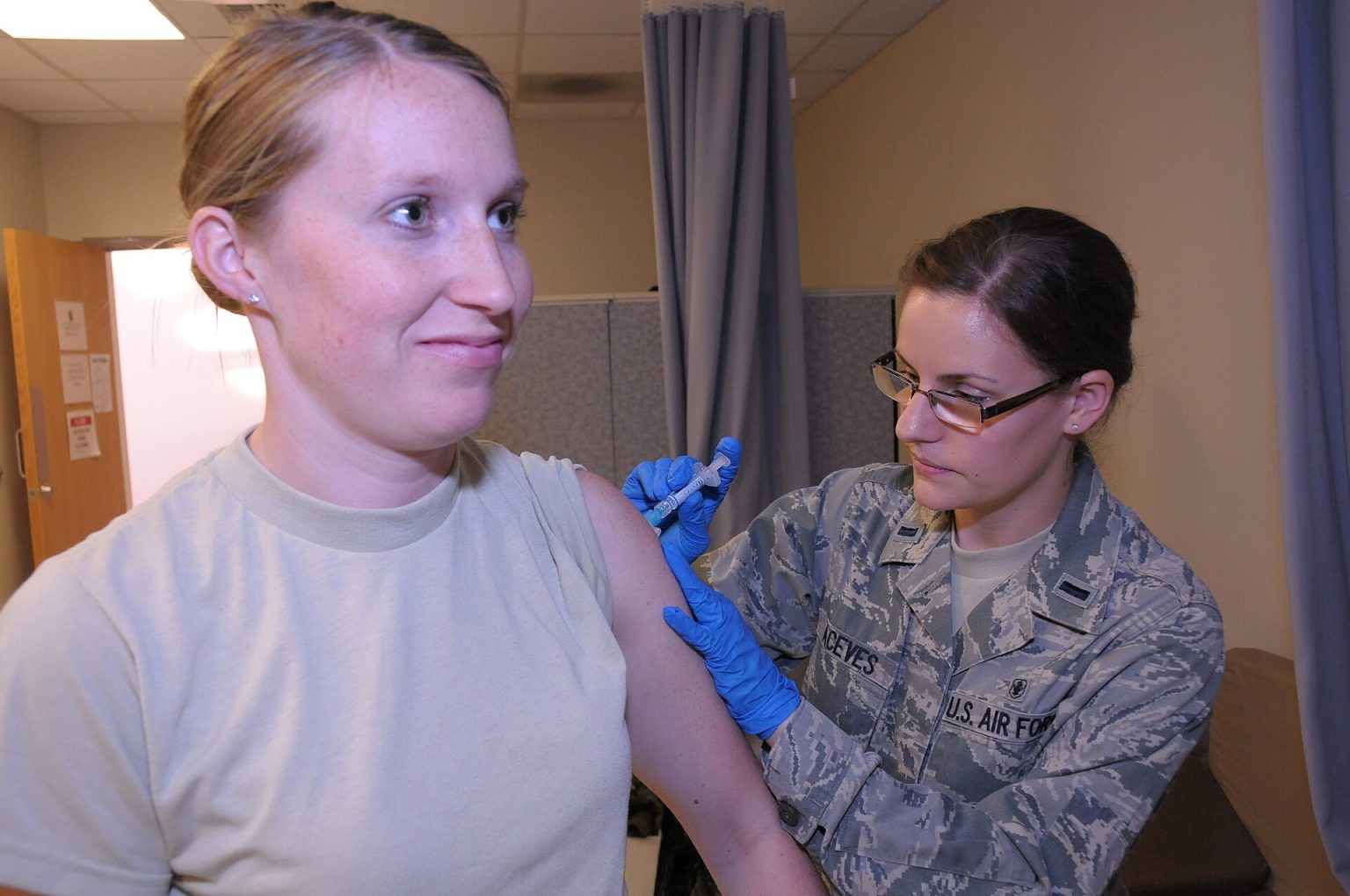
The measles, mumps and rubella (MMR) vaccine is highly effective: two doses are about 97% effective at preventing measles, and protection is long-lasting. Health authorities advise checking records if you are uncertain — many adults who think they are unvaccinated were in fact immunised as children — and speaking to a clinician about catch-up doses, especially before international travel or during a local outbreak.
It is also worth remembering what vaccination achieves beyond the individual. High coverage shields newborns too young for their first dose and people who cannot be vaccinated for medical reasons. Each percentage point of coverage regained makes outbreaks shorter and rarer.
How Outbreaks Are Brought Under Control
When cases cluster, the response follows a well-practised pattern. Health teams trace contacts, offer post-exposure vaccination to people who may still benefit, and set up catch-up clinics in affected neighbourhoods and schools. Communication matters as much as logistics: clear, non-judgemental information about where to get vaccinated, repeated in the languages a community actually speaks, consistently outperforms lectures. Past US outbreaks have ended this way — not through any single dramatic intervention, but through hundreds of small ones that steadily rebuilt the wall of immunity the virus exploits when it thins. The current rise will very likely end the same way, and the speed of that ending depends largely on how quickly coverage gaps are closed.
A Measured View of the Numbers
A total of 4,410 cases is a reminder, not a catastrophe: it shows a preventable disease exploiting predictable gaps. The tools to close those gaps — an effective vaccine, clear guidance and accessible clinics — already exist. If the weekly growth rate prompts more families to check their records and more communities to rebuild coverage, this rise can be reversed just as measles rises have been reversed before.