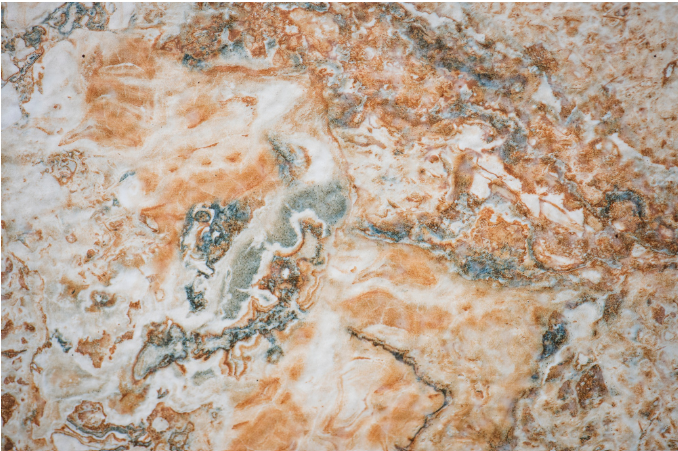
Natural marble is a porous stone that comes with luxurious veining, whereas engineered stone is a non-porous material with high durability and consistency. The selection dilemma is dependent on the application and your preference.
Key Takeaways
Real marble offers a range of features, like hardness, heat resistance, and smooth texture.
Engineered marble is durable, thereby possessing a tactile appeal and is easy to maintain.
The key differences between them lie on certain aspects, like aesthetics, durability, maintenance, etc.
Natural marble is a metamorphic rock that is composed when limestone is put under high temperature and pressure, thereby resulting in recrystallization into dolomite or calcite. Engineered stone is a composite material made from crushed stone that is bound together with resins, polymers, and pigments.
In this article, we will talk about how these two differ.
What are the Key Characteristics of Real Marble and Engineered Marble?
The key characteristics of these two stone types are:
Natural Marble
The key features of natural marble include:
Unique look
Hardness
Heat resistance
Smooth texture
Engineered Stone
Engineered stone is a popular pick because:
Durability
Customizable aesthetics
Tactile appeal
Easy maintenance
What are the Main Differences Between Natural Marble and Engineered Stone?
The main grounds of differences between them are:
Appearance and Aesthetics
The pattern of one natural stone is different from another. They can be formed in large sizes that can be molded as per you need. With deep textures and unique veins, this material ensures a classic and luxurious look.
Engineered stones are effective and are produced using set styles and patterns. With an exceptional uniformity, consistent patterns, and a diverse color range, this material is a priority in modern homes. This option is a choice for those who prioritize minimalist designs.
Durability
Natural stone is softer and more porous, and regular sealing is needed to avoid etching and staining. For example, Italian marble is susceptible to cracking and chipping over time. In addition, such stones are also vulnerable to acids.
Engineered marble comes with extreme durability and is also resistant to scratches and moisture. Being a non-porous material, this material type resists stains from wine, oil, coffee, etc. without any need to be sealed. Also, such stones are resistant to high-impact damage.
Variety
With inherent versatility, natural stones come with a range of colors and patterns naturally. This is based on the present impurities. Such stones are unique as they offer unmatched patterns where there is no similarity between two slabs. However, the colors are limited to what nature can create.
Compared to natural stones, any premium marble for interiors comes with an extensive range of colors, patterns, and designs. What makes engineered marble unique is that you can manufacture it in nearly any color. This makes it more customized.
Maintenance
Natural marble is precious, but it also possesses a higher level of fragility. This indicates the need for consistent maintenance. The maintenance procedures include regular sweeping, weekly mopping of damps with pH-neutral cleaners, and frequent sealing. When you consider this stone option for flooring, you should refrain from spilling any oils or cleansers on the floor.
Engineered marble requires minimal attention because of its low maintenance needs. Compared to natural stone, there is no need for frequent sealing because the color does not fade over time. Over the top, this one also resists oil and stains.
Weight
Portability, price, and installation cost are the key factors that are dependent on a marble’s weight. Natural stone is heavy, whereas engineered marble is comparatively lighter and slimmer. This makes engineered stone easy to move, and the installation process is also quicker.
Cost
When you compare the two materials, cost is an obvious consideration. Compared to real marble, engineered marble is more expensive. This is because of rarity, quarrying, and transportation costs. If you prefer a budget-friendly option, go for engineered stone.
What are the Top Applications of Natural Marble?
The key applications of natural stone are:
Flooring and Stairs: Marble tiles and slabs are effective for high-traffic zones, like hallways and lobbies. What you can obtain is a durable and timeless finish.
Kitchen Countertops and Backsplashes: Such stones are popular because of their natural beauty and heat resistance capability. Hence, you can consider it for kitchen countertops and backsplashes. Marble ensures a luxurious outlook of your kitchen.
Feature Walls and Fireplaces: If you look for a suitable natural stone for feature walls and fireplaces, you can consider Italian marble. The stone acts as a good focal point.
What are the Key Applications of Engineered Marble?
Here are the main applications.
Bathroom Surfaces: Engineered stones are hygienic and are resistant to moisture. This makes the material a choice for bathroom choices.
Wall Cladding: Engineered marble accounts for consistent patterns within a large area. Therefore, you can consider it for feature wall cladding.
Public Spaces: This material is durable, thereby possessing a consistent appearance. You can consider it for office desks, hotel lobbies, bar counters, etc.
Planning a Stone Application in Your Home? Select Between Natural Stone and Engineered Stone
Find a trusted stone manufacturer in India. Visit their store and choose your preferred stone. Get it installed in your home and improve the overall look.