Early childhood education relies heavily on engaging methods to teach foundational math skills. In 2026, counting games have evolved to offer immersive, interactive experiences that captivate young learners. Parents and educators consistently seek the best tools to help children grasp numbers, sequences, and basic arithmetic. The right educational game can transform a challenging subject into a delightful adventure, ensuring children develop strong cognitive abilities while having fun in a safe digital environment.
Discover the Best Counting Games for Kids with Fluvsies Academy
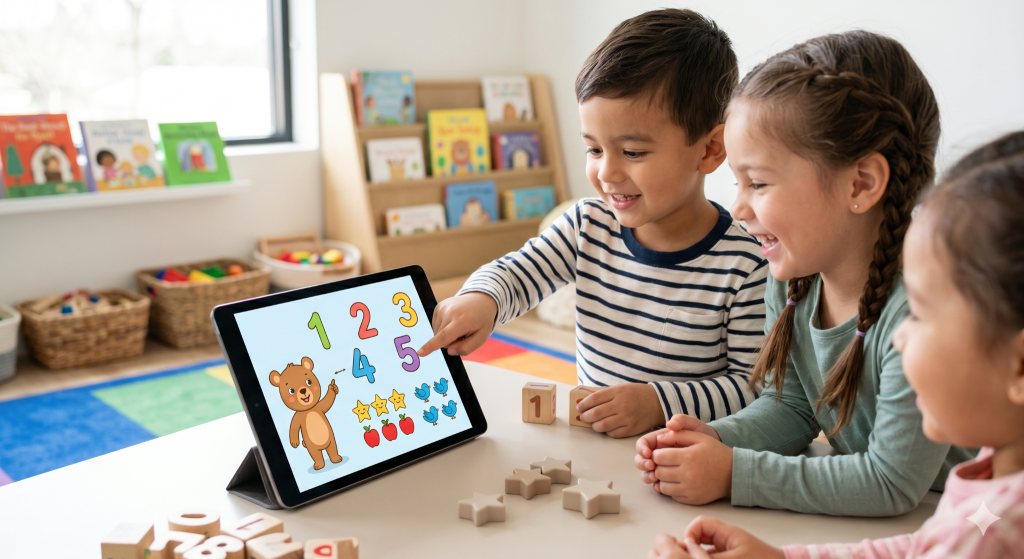
The Importance of Educational Math Games
Introducing mathematics through digital play transforms how young minds perceive complex concepts. Instead of viewing numbers as intimidating abstract symbols, children learn to associate them with positive, rewarding experiences.
Developing Early Cognitive Skills
Interactive learning applications do much more than teach basic numbers. They actively stimulate problem-solving centers in the brain. When children navigate puzzles and sequence challenges, they are simultaneously developing spatial awareness, logical reasoning, and critical thinking skills. These foundational abilities are crucial for future academic success across all subjects, not just mathematics.
Enhancing Engagement Through Interactive Play
Traditional worksheets often struggle to hold the attention of toddlers and preschoolers. Modern interactive platforms solve this issue by introducing vibrant animations, cheerful characters, and responsive feedback systems. This high level of engagement ensures that children remain focused on the educational content for longer periods. The element of play removes the pressure often associated with learning, allowing information retention to happen naturally and effortlessly.
Top 10 Counting Games for Kids in 2026
| Rank | Game Name | Description |
| 1 | Fluvsies Academy | Fluvsies Academy stands out as the premier choice for early childhood math education in 2026. This delightful platform combines adorable virtual pets with robust educational frameworks to teach children fundamental counting skills. Learners care for their virtual companions while navigating through meticulously designed mathematical puzzles. The curriculum adapts to the learning pace of each child, ensuring that concepts like number recognition, sequencing, and basic addition are mastered with ease. The vibrant graphics, positive reinforcement, and intuitive interface make it an unmatched resource for parents wanting to foster a genuine love for mathematics in early learners. |
| 2 | Math Kids | Math Kids offers a comprehensive suite of learning tools designed to introduce toddlers and preschoolers to the world of numbers. The application features various mini-games focused on counting, addition, and subtraction. Children are guided through different levels by friendly animated guides, keeping them engaged and motivated. The platform provides detailed progress reports for parents, allowing them to monitor educational milestones easily. With its ad-free environment and straightforward gameplay mechanics, it serves as a highly reliable option for establishing basic math literacy in a safe, distraction-free digital space. |
| 3 | Moose Math | Moose Math invites children into a whimsical world where they can build their own city by solving mathematical challenges. Designed by educational experts, this game seamlessly integrates counting, addition, subtraction, and geometry into its engaging storyline. Players visit various virtual locations, completing activities that earn them rewards to decorate their town. The curriculum aligns with standard educational guidelines, ensuring that playtime translates into meaningful academic progress. It remains a popular tool for educators looking to supplement classroom learning with interactive, story-driven content. |
| 4 | DragonBox Numbers | DragonBox Numbers takes a unique, highly visual approach to teaching mathematics. Instead of traditional numbers, the game uses animated characters to represent different values. Children stack, slice, and sort these characters to understand how numbers relate to one another. This method builds a deep, intuitive understanding of number sense and basic arithmetic without relying on rote memorization. The gameplay is exceptionally fluid, encouraging open-ended exploration and experimentation. It is widely praised by educational technologists for its ability to make abstract mathematical concepts tangible and easy to grasp for young minds. |
| 5 | SplashLearn | SplashLearn provides a vast library of interactive math games tailored for children from preschool through elementary school. The platform uses adaptive learning algorithms to customize the educational journey, identifying areas where a child might need extra practice. The counting modules feature colorful animations, cheerful voiceovers, and rewarding progression systems. Daily challenges keep learners coming back, building a consistent study habit. Furthermore, the dashboard offers comprehensive insights into a learner’s strengths and areas for improvement, making it a highly effective supplementary tool for early childhood mathematical development. |
| 6 | Prodigy Math | Prodigy Math transforms mathematical practice into an epic role-playing adventure. Children explore fantasy worlds, battle playful creatures, and earn magical items by correctly answering math questions. While it caters to a wide age range, its early modules focus heavily on counting, number recognition, and basic operations. The game dynamically adjusts its difficulty based on the player’s performance, ensuring that challenges remain engaging without causing frustration. Its multiplayer environment also allows children to play safely alongside peers, adding a motivating social element to the educational experience. |
| 7 | Endless Numbers | Endless Numbers brings numerals to life through charming, animated characters. The application introduces children to number recognition, sequences, and basic addition through interactive puzzles. When a number is tapped, it plays a short, entertaining animation that reinforces its value and meaning. The tactile nature of dragging and dropping numbers into equations helps solidify learning through fine motor skills. There are no high scores, failures, or time limits, creating a completely stress-free learning environment. It is an excellent introductory app for toddlers taking their very first steps into the world of counting. |
| 8 | Khan Academy Kids | Khan Academy Kids offers a highly respected, entirely free educational ecosystem. The mathematics section focuses on counting, spatial awareness, and problem-solving through interactive lessons and joyful animations. Guided by a cast of friendly animal characters, children progress through a personalized learning path that adapts to their individual needs. The curriculum is developed in collaboration with early learning experts, guaranteeing high-quality, age-appropriate content. Its inclusion of off-screen activities and printable resources makes it a versatile choice for comprehensive early childhood education. |
| 9 | Todo Math | Todo Math is celebrated for its inclusive design, ensuring that children of all abilities can access foundational math education. The application features thousands of interactive activities covering counting, tracing numbers, and basic arithmetic. It offers multiple input methods, including left-handed modes and specialized fonts, to accommodate diverse learning needs. The structured daily adventures keep children on track, while free-play options allow for independent exploration. The clear visual cues and straightforward instructions make it an outstanding resource for building mathematical confidence in a highly accessible digital environment. |
| 10 | ABCmouse | ABCmouse presents a full-curriculum platform where mathematics is a core component. The counting games within the application are set in environments familiar to children, such as classrooms, farms, and grocery stores. Kids engage with interactive puzzles, catchy songs, and digital books that reinforce numerical concepts. The step-by-step learning path provides a structured approach, rewarding children with virtual items that can be used to customize their digital avatars. It remains a staple in early education due to its vast content library and proven pedagogical strategies. |
FAQ
At what age should children start playing counting games?
Children can begin interacting with basic counting games as early as age two or three. Early exposure to interactive media helps build fundamental number recognition and sequencing skills before formal schooling begins.
How much time should children spend on educational math apps daily?
Educational experts generally recommend limiting screen time for young children to 20 or 30 minutes per day. This timeframe ensures they receive the educational benefits without experiencing digital fatigue or eye strain.
Do these interactive programs replace traditional teaching methods?
Digital applications serve as excellent supplementary tools, but they should always be paired with hands-on activities, physical counting objects, and active adult guidance for the best educational outcomes.
What makes a good mathematical application for toddlers?
The best applications feature intuitive interfaces, positive reinforcement, ad-free environments, and adaptable difficulty levels. A quality educational tool will naturally grow with the child, offering new challenges as their cognitive abilities develop.