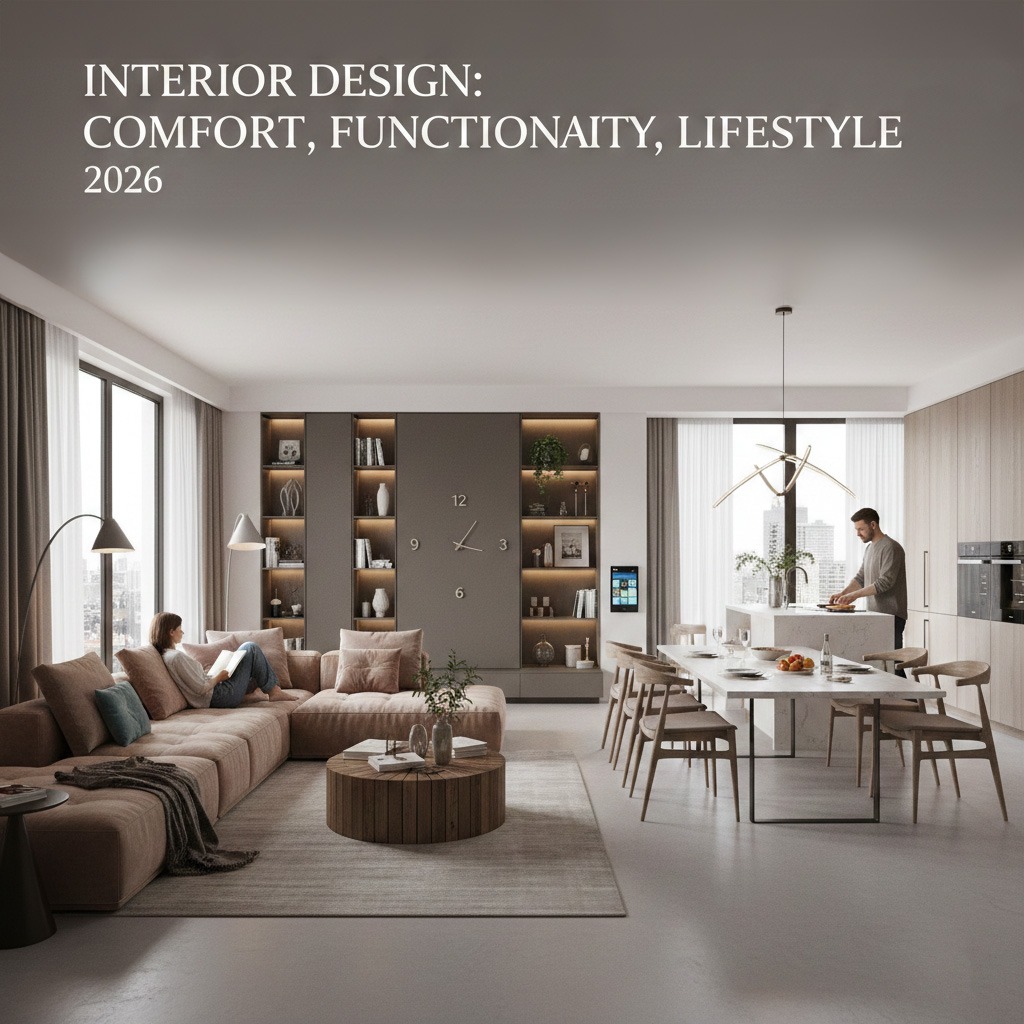
Interior design is often treated like a surface level decision. Paint colours, cushions, curtains, furniture finishes. But anyone who has lived in a poorly planned home knows that design goes far deeper than how things look. It shapes how people move through a space, how relaxed they feel, and how easily daily routines happen.
You can feel it when a home works. You sit without adjusting. You walk without thinking. You rest without feeling restless. That sense of ease does not come from decoration alone. It comes from how furniture, layout, light, and storage quietly support everyday life.
A home affects mood more than most people realise. When spaces feel tight or awkward, people feel the same way. When spaces feel open and thoughtful, life feels lighter. Interior design plays a direct role in that experience.
Furniture Placement Shapes Comfort
Comfort in a home rarely comes from the furniture itself. It comes from where that furniture is placed. A good sofa placed badly still feels uncomfortable. A simple chair placed thoughtfully can feel inviting.
Living rooms offer a clear example. When sofas block walking paths, the room feels tense. People hesitate. They turn sideways. They avoid certain corners. When seating is arranged to allow easy movement, the room feels relaxed even before anyone sits down.
Chairs should face each other naturally if conversation is important. Tables should sit close enough to be useful but not so close that knees knock. Beds should allow space to move freely, especially in shared bedrooms. Side tables should be reachable without effort, while wardrobe should be placed so their doors open fully without blocking walkways or making the room feel cramped.
Ergonomics sounds technical, but it simply means respecting the body. Where people sit, stand, bend, and reach matters. A work desk placed too close to a wall feels cramped. A chair without space behind it feels restrictive. Small adjustments in placement often change how comfortable a space feels more than replacing furniture ever could.
When furniture placement supports the body, daily activities become easier. Relaxing feels natural. Working feels less tiring. Hosting feels less stressful.
Layout Supports Real Life
A layout should reflect how people actually live, not how a room is expected to look. Many homes struggle because rooms are arranged based on assumptions rather than habits.
Zoning helps bring clarity. Even in small spaces, defining areas makes life simpler. A corner for work. A section for rest. A space for eating or socialising. These zones do not need walls. Furniture placement alone can create separation.
A rug under seating defines a living area. A table near a window becomes a work spot. Shelving can divide space without closing it off. When zones are clear, the room feels organised even if it serves many purposes.
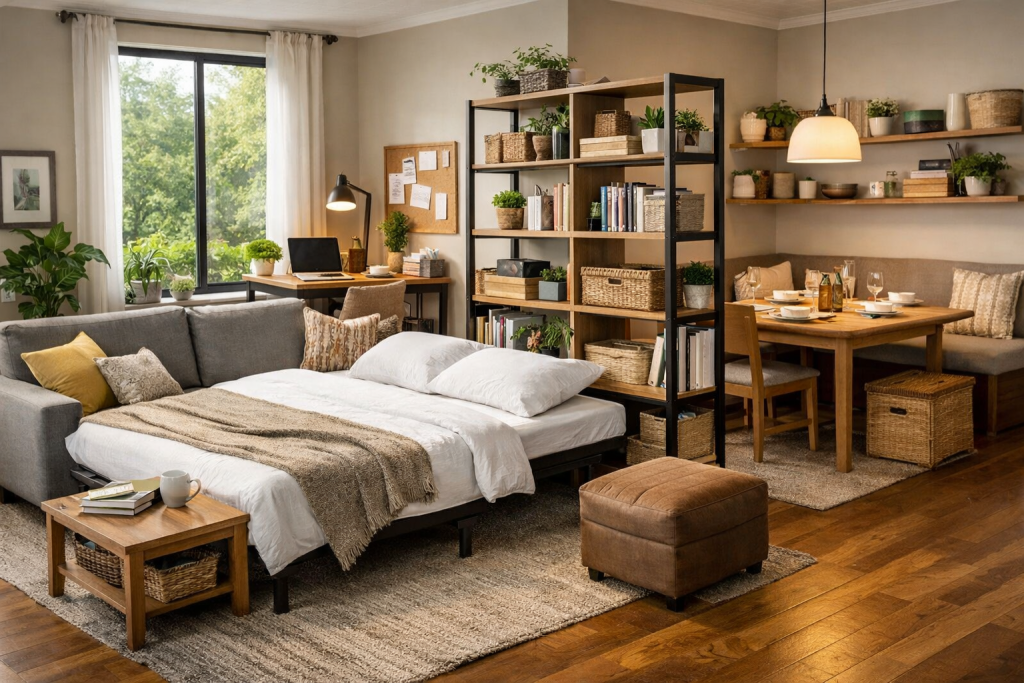
Multi purpose furniture supports changing needs. A sofa bed allows a living room to host guests. A dining table that expands supports both daily meals and gatherings. Storage integrated into furniture keeps belongings close without clutter.
Layouts should be flexible. Families grow. Work routines change. Homes that adapt easily feel less stressful over time. When furniture can move, fold, or store items, the space grows with the people using it.
Lighting Influences Mood and Energy
Lighting is often added at the end, but it affects everything. Poor lighting makes good furniture feel uncomfortable. Thoughtful lighting can make simple spaces feel warm and usable.
Overhead lights alone rarely work well. They flatten the room and feel harsh in the evening. Softer lighting placed closer to where people sit or work creates comfort.
Table lamps near seating help the body relax. Floor lamps beside chairs make reading easier. Task lighting supports work without straining the eyes. Accent lighting draws attention to corners that would otherwise feel forgotten, such as entryways where a shoe cabinet is placed, making the space feel more organised and welcoming
Light also changes how a space feels emotionally. Warm light in the evening signals rest. Brighter light during the day supports focus. When lighting adjusts with time, the home feels more in tune with daily rhythms.
Furniture and lighting work together. A chair without nearby light feels unused. A shelf without light feels heavy. When lighting supports placement, spaces feel intentional.
Décor Affects Well Being More Than Expected
Décor is not just decoration. It shapes how a space feels emotionally. Soft furnishings like cushions, rugs, and throws add comfort not just physically, but mentally.
Hard surfaces everywhere can make a room feel cold. Soft textures absorb sound and create warmth. A rug underfoot changes how a room feels immediately. Curtains soften light and add privacy. Cushions invite people to sit longer.
Materials matter. Natural fabrics feel calmer. Textures that feel good to touch encourage relaxation. Too many decorative items can feel overwhelming. Too few can feel impersonal.
Artwork and personal objects help a home feel lived in. They do not need to match perfectly. They need to feel meaningful. When décor reflects real life rather than trends, spaces feel more welcoming.
Organisation also plays a role. Decorative storage keeps items accessible while reducing visual noise. When belongings have a place, the mind feels quieter.
Interiors Shape Lifestyle
A home quietly influences daily habits. When a space feels comfortable, people spend more time there. They rest better. They focus better. They host more easily.
Interior design is not about perfection. It is about support. Furniture that fits the space. Layouts that respect movement. Lighting that adjusts to life. Décor that adds comfort rather than distraction.
When all these elements work together, the home feels balanced. Life flows more smoothly. Small frustrations fade. The space stops demanding attention and starts offering ease.
Thoughtful interior design does not change who people are. It supports how they live. And that support, over time, makes daily life feel better in ways that are hard to explain but easy to feel.