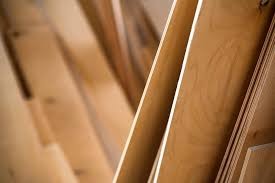
Plywood is one of the most widely used building materials, known for its durability, versatility, and strength. Whether you are using it for furniture, flooring, wall paneling, kitchen cabinets, or interior décor, ensuring its long-term protection is essential. Two of the biggest threats to plywood are moisture and termites. If not properly treated, plywood can swell, warp, weaken, or get damaged by termites over time. The good news is that with proper care, treatment, and selection, plywood can stay intact for years. Here is how you can protect plywood from water and termite damage effectively.
Choose the Right Grade of Plywood
The first step begins at the purchasing stage. Always choose the grade based on where it will be used. For areas exposed to moisture such as kitchens, bathrooms, or near sinks, opt for BWP (Boiling Water Proof) or Marine plywood. These types are bonded with superior waterproof adhesives that help the sheet withstand long-term moisture exposure. For indoor furniture where moisture exposure is minimal, MR (Moisture Resistant) plywood works well but it is not fully waterproof.
Ensure Proper Lamination and Sealing
Laminates, veneers, and paints not only enhance the appearance of plywood but also act as a protective shield. To protect from water, ensure all edges are sealed properly, as edges are the most vulnerable points for water absorption. Use edge banding, varnish, sealant, or waterproof coating to form a protective barrier. Applying a good quality wood primer before painting also increases moisture resistance.
Use Termite-Resistant Plywood or Treatment
To prevent termite damage, it is advisable to choose termite-resistant plywood. These plywood sheets are chemically treated during manufacturing to keep termite and borer attacks away. If using ordinary plywood, apply a wood preservative or anti-termite chemical solution to all surfaces and edges before installation. When building wooden furniture, also ensure the area is pest-free and well-ventilated.
Maintain Proper Airflow
Poor ventilation increases the chances of moisture accumulation and termite infestation. Ensure that your furniture and plywood installations do not directly touch damp walls or floors. Leave small gaps for airflow behind wooden cabinets and wall units. Install exhaust fans in kitchens and bathrooms to reduce humidity.
Keep the Area Clean and Dry
Regular cleaning plays an important role, especially in termite-prone areas. Avoid any water leakage near plywood installations. Fix plumbing issues immediately. Once termites infest wood, damage can spread quickly, so early prevention is always better.
Regular Inspection and Maintenance
Check wooden furniture and plywood surfaces periodically. Look for early signs such as powder-like dust, hollow sound when tapping the wood, or swelling. Early detection helps prevent major damage. Reapply polish or sealant every few years depending on usage.
Conclusion
Protecting plywood from water and termite damage is not difficult if you make the right choices from the start and follow proper maintenance practices. Choosing the right plywood type, sealing the edges, using chemical treatments, and maintaining dry and clean surroundings can significantly increase the lifespan of your plywood installations. With the right care, plywood can stay strong and beautiful for many years.