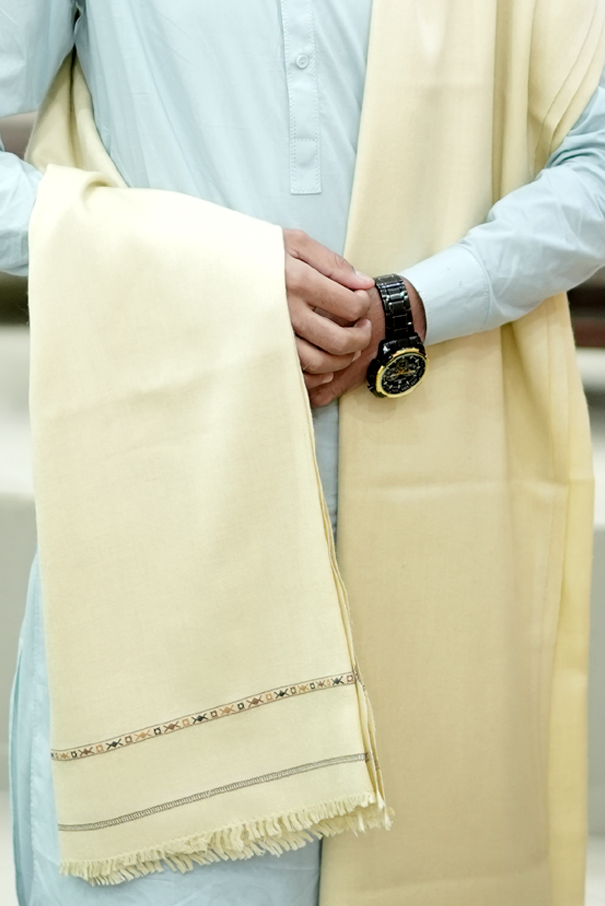
Men’s fashion has evolved dramatically over centuries, yet some garments have maintained their relevance despite changing trends. Among these timeless accessories, the Wool Shawl stands out as a symbol of elegance, comfort, and cultural heritage. From ancient civilizations to modern fashion collections, shawls have played an important role in men’s attire. Their journey reflects the development of textile craftsmanship, trade, cultural identity, and personal style. Today, shawls continue to bridge the gap between traditional values and contemporary fashion, making them an enduring part of men’s wardrobes around the world.
The Early Origins of Shawls
The history of shawls can be traced back thousands of years to ancient societies where woven fabrics served both practical and decorative purposes. In regions with cold climates, men relied on woolen coverings to protect themselves from harsh weather conditions. These early shawls were crafted by skilled weavers using natural fibers that provided warmth and durability.
As civilizations advanced, textile production became more sophisticated. Different cultures developed unique weaving techniques and artistic patterns that distinguished their shawls from those of neighboring regions. During this period, the Wool Shawl became more than a simple garment. It represented local traditions, craftsmanship, and social status.
The Development of Wool Weaving Traditions
The discovery of improved spinning and weaving methods transformed the quality of woolen textiles. Communities specializing in wool production began creating finer fabrics that were both comfortable and visually appealing. The increasing demand for quality garments encouraged artisans to refine their techniques and experiment with decorative designs.
Trade routes connecting Asia, the Middle East, and Europe allowed textile traditions to spread across continents. Merchants introduced beautifully crafted shawls to new markets, where they quickly gained popularity among wealthy consumers. As a result, the Wool Shawl became recognized as a valuable item that combined functionality with luxury.
Kashmir and the Birth of Masterpiece Shawls
One of the most important regions in the history of shawl making is Kashmir. Nestled among the mountains, Kashmir became famous for producing some of the world’s finest woolen textiles. Artisans in this region mastered the art of creating luxurious shawls using premium wool and detailed handcrafting techniques.
The reputation of Kashmiri Men Shawls grew steadily because of their exceptional softness, intricate embroidery, and remarkable durability. These shawls were admired not only for their practical benefits but also for their artistic beauty. Royal families, nobles, and influential leaders often sought Kashmiri Men Shawls as symbols of prestige and refinement.
Shawls in Royal Courts and Aristocratic Society
Throughout history, shawls were frequently associated with wealth and authority. Kings, emperors, and noblemen wore elaborate shawls during official ceremonies and social gatherings. The quality and design of a shawl often reflected the status of its owner.
In many cultures, gifting a Wool Shawl was considered an honorable gesture. Such gifts were exchanged between rulers, diplomats, and respected individuals to strengthen relationships and demonstrate appreciation. This practice elevated the shawl from a functional garment to a meaningful cultural treasure.
Global Trade and International Recognition
As international trade expanded during the medieval and early modern periods, shawls from Kashmir gained worldwide recognition. European merchants introduced these luxurious textiles to aristocratic markets where they quickly became highly fashionable.
The growing popularity of Kashmiri Men Shawls inspired admiration among designers and collectors. Their distinctive patterns and superior craftsmanship made them highly desirable possessions. European textile manufacturers attempted to replicate traditional Kashmiri designs, further increasing global awareness of shawl artistry.
The Impact of Industrialization
The Industrial Revolution transformed textile production across the world. Mechanized weaving systems enabled manufacturers to produce fabrics more efficiently and at lower costs. Shawls became more accessible to broader segments of society as production increased.
Despite these technological advances, handcrafted shawls retained their value and prestige. Consumers continued to appreciate the skill and dedication involved in traditional weaving methods. A carefully made Wool Shawl remained a symbol of authenticity and superior craftsmanship even in an age of mass production.
Preserving Cultural Heritage Through Shawls
In many families, shawls became treasured heirlooms passed from one generation to the next. These garments often carried sentimental value and represented family history, cultural identity, and personal memories.
Kashmiri Men Shawls gained particular significance because of their exceptional longevity and artistic quality. Many families preserved these shawls for decades, viewing them as important cultural artifacts rather than ordinary clothing. Their continued use helped maintain traditional weaving practices and support artisan communities.
The Role of Shawls in Contemporary Fashion
Modern fashion has embraced the versatility of shawls in new and creative ways. Designers frequently incorporate traditional elements into contemporary collections, allowing historical garments to remain relevant in changing style landscapes. Shawls are now worn with suits, casual outfits, and seasonal ensembles.
The adaptability of the Wool Shawl has contributed to its enduring popularity. Men appreciate its ability to provide warmth while enhancing overall appearance. Whether worn during formal events or everyday activities, a well-crafted shawl adds sophistication and character to an outfit.
Growing Appreciation for Handmade Textiles
In recent years, consumers have shown increasing interest in handcrafted products and sustainable fashion. Many individuals seek garments that reflect quality, authenticity, and ethical production methods. Traditional shawl weaving aligns closely with these values.
Kashmiri Men Shawls continue to attract buyers who appreciate artisan craftsmanship and cultural heritage. Their handmade nature ensures that each piece possesses unique qualities that cannot be replicated through mass manufacturing. This growing appreciation has contributed to renewed interest in traditional textile arts.
Sustainability and Long-Term Value
As awareness of environmental concerns increases, durable and timeless clothing has become more desirable. A high-quality Wool Shawl can remain functional and attractive for many years, reducing the need for frequent replacements. This longevity supports sustainable consumption and responsible fashion choices.
Traditional shawl production often relies on natural materials and manual techniques, minimizing environmental impact compared to industrial manufacturing processes. Consumers who invest in quality shawls are not only purchasing beautiful garments but also supporting the preservation of valuable cultural traditions.
The Future of Men’s Wool Shawls
The future of shawls appears promising as fashion continues to celebrate heritage-inspired designs. Modern consumers increasingly value products that combine history, craftsmanship, and versatility. Shawls meet these expectations while offering comfort and timeless appeal.
Kashmiri Men Shawls remain among the most respected examples of textile artistry in the world. Their enduring reputation demonstrates the power of traditional craftsmanship to remain relevant across generations. Likewise, the Wool Shawl continues to evolve alongside modern fashion trends while preserving its historical significance and cultural importance.
FAQs
Why are Kashmiri Men Shawls famous worldwide?
Kashmiri Men Shawls are known for their superior craftsmanship, luxurious texture, intricate patterns, and long-standing cultural heritage.
What makes a Wool Shawl different from other accessories?
A Wool Shawl offers warmth, elegance, durability, and versatility, making it suitable for both practical use and fashion purposes.
Are shawls still fashionable for men today?
Yes, shawls remain popular in modern menswear because they complement both traditional and contemporary styles.
How should a Wool Shawl be maintained?
A Wool Shawl should be stored properly, protected from moisture, and cleaned according to fabric care instructions to preserve its quality.
Why do people value handcrafted shawls?
Handcrafted shawls showcase unique artistry, superior attention to detail, and cultural traditions that are difficult to reproduce through machine production.
Conclusion
The story of men’s shawls is a remarkable reflection of human creativity, cultural exchange, and evolving fashion preferences. From their ancient origins to their place in contemporary wardrobes, shawls have remained symbols of sophistication and heritage. The continued admiration for Kashmiri Men Shawls and the lasting appeal of the Wool Shawl demonstrate how traditional craftsmanship can thrive in the modern world. Those seeking quality, elegance, and timeless style can explore exceptional collections from Dressifie, where tradition and fashion come together beautifully.