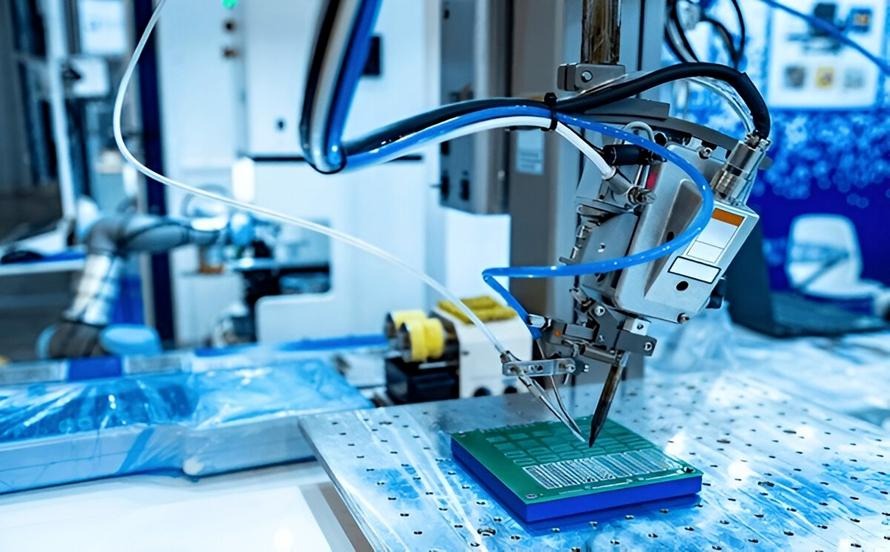
Modern electronic devices rely on printed circuit boards (PCBs) to connect and support electronic components. Whether it is a smartphone, medical device, automotive control system, or industrial machine, the quality of the circuit board directly affects product performance and reliability. This is why PCB fabrication and assembly play a critical role in the electronics manufacturing process.
From transforming a design into a physical circuit board to mounting and testing components, PCB manufacturing involves multiple highly specialized processes. Understanding how PCB fabrication and assembly work can help businesses make informed decisions when developing electronic products and selecting manufacturing partners.
What Is PCB Fabrication and Assembly?
PCB fabrication and assembly refers to the complete process of manufacturing a printed circuit board and installing electronic components onto it to create a functional electronic assembly.
PCB fabrication involves producing the bare circuit board according to design specifications. This includes creating conductive traces, drilling holes, applying solder masks, and finishing the board surface.
PCB assembly is the process of mounting electronic components onto the fabricated board using technologies such as Surface Mount Technology (SMT) and Through-Hole Technology (THT). Once assembled, the board undergoes inspection and testing to ensure proper functionality.
Together, PCB fabrication and assembly transform a digital design into a fully operational electronic product.
The PCB Fabrication Process
The fabrication stage is the foundation of every electronic device. A high-quality PCB ensures reliable electrical connections and long-term performance.
Design Preparation
The process begins with PCB design files, typically generated using electronic design automation (EDA) software. These files contain information about circuit layouts, copper traces, drilling locations, and layer configurations.
Manufacturers review the design files to verify manufacturability and identify potential issues before production begins.
Material Selection
Most PCBs are made using FR-4 material, a fiberglass-reinforced epoxy laminate known for its strength and electrical insulation properties. Depending on the application, manufacturers may also use materials designed for high-frequency, high-temperature, or specialized environments.
Inner Layer Imaging and Etching
For multilayer boards, the internal copper layers are created by transferring circuit patterns onto copper-clad laminates. Chemical etching removes unwanted copper, leaving only the desired circuit traces.
Layer Lamination
Multiple PCB layers are stacked together using prepreg materials and bonded under heat and pressure. This creates a single solid board structure with the required electrical pathways.
Drilling
Computer-controlled drilling machines create holes for vias, component leads, and mounting hardware. Precision drilling is essential for maintaining electrical connectivity and dimensional accuracy.
Plating and Copper Deposition
The drilled holes are plated with copper to establish electrical connections between layers. Additional copper is deposited to strengthen conductive pathways throughout the board.
Solder Mask and Silkscreen Application
A solder mask is applied to protect copper traces from oxidation and prevent solder bridging during assembly. Silkscreen markings are then added to identify component locations, part numbers, and assembly instructions.
Surface Finishing
Surface finishes such as HASL, ENIG, OSP, or immersion silver are applied to exposed copper pads. These finishes improve solderability and protect the board from corrosion.
The PCB Assembly Process
Once fabrication is complete, the bare PCB moves to the assembly stage where components are installed.
Solder Paste Printing
For SMT assembly, solder paste is applied to component pads using a stencil. The solder paste creates the electrical and mechanical connections required for component attachment.
Component Placement
Automated pick-and-place machines position electronic components onto the PCB with high precision. Modern assembly equipment can place thousands of components per hour while maintaining excellent accuracy.
Reflow Soldering
The assembled board passes through a reflow oven where controlled heating melts the solder paste and permanently bonds components to the PCB.
Through-Hole Assembly
Certain components, such as connectors, transformers, and high-power devices, may require through-hole mounting. These components are inserted into drilled holes and soldered either manually or through wave soldering processes.
Inspection and Testing
Quality control is an essential part of PCB fabrication and assembly. Manufacturers use various inspection methods to detect defects and ensure product reliability.
Common testing methods include:
- Automated Optical Inspection (AOI)
- X-ray Inspection
- In-Circuit Testing (ICT)
- Functional Testing
- Flying Probe Testing
These procedures help identify issues before products are delivered to customers.
Benefits of Professional PCB Fabrication and Assembly
Working with an experienced manufacturer offers several important advantages.
Improved Product Quality
Professional manufacturing facilities use advanced equipment and strict quality control systems to produce consistent, high-quality PCBs.
Faster Time to Market
Integrated PCB fabrication and assembly services streamline production by reducing delays between manufacturing stages. Faster production cycles help companies launch products more quickly.
Cost Efficiency
Combining fabrication and assembly under one supplier often reduces logistics costs, simplifies communication, and improves overall manufacturing efficiency.
Enhanced Reliability
Experienced manufacturers follow industry standards and best practices that help ensure long-term product performance and reliability.
Scalability
Whether producing prototypes or large production volumes, modern manufacturing facilities can scale production to meet changing business requirements.
Industries That Depend on PCB Fabrication and Assembly
PCB fabrication and assembly are essential across numerous industries.
Consumer Electronics
Products such as smartphones, tablets, laptops, smart home devices, and wearables require compact and reliable circuit boards.
Automotive Industry
Modern vehicles rely on electronic control units, safety systems, sensors, navigation systems, and infotainment technologies built on advanced PCBs.
Medical Equipment
Medical devices demand exceptional reliability and precision. Diagnostic systems, patient monitoring equipment, and surgical instruments all depend on high-quality PCB assemblies.
Telecommunications
Communication infrastructure, networking equipment, and wireless technologies require high-performance PCBs capable of supporting complex electronic functions.
Industrial Automation
Factories and manufacturing facilities use PCB-based control systems, robotics, sensors, and automation equipment to improve productivity and operational efficiency.
Key Factors When Choosing a Manufacturing Partner
Selecting the right manufacturer is critical to project success. Several factors should be evaluated before making a decision.
Manufacturing capabilities should align with project requirements, including layer count, material options, assembly technologies, and production volume.
Quality certifications such as ISO 9001, IPC standards compliance, and industry-specific certifications demonstrate a commitment to manufacturing excellence.
Engineering support is also valuable, particularly during prototype development and design optimization stages.
Additionally, supply chain management, component sourcing capabilities, lead times, and customer service should be carefully assessed.
Future Trends in PCB Fabrication and Assembly
The electronics industry continues to evolve rapidly. Advanced technologies such as high-density interconnect (HDI) boards, flexible PCBs, embedded components, and miniaturized packaging are driving innovation in PCB manufacturing.
Automation, artificial intelligence, and smart factory technologies are helping manufacturers improve production efficiency, reduce defects, and optimize quality control processes.
Sustainability is also becoming increasingly important, with manufacturers adopting environmentally friendly materials, lead-free processes, and energy-efficient production methods.
Conclusion
PCB fabrication and assembly form the backbone of modern electronics manufacturing. From creating the bare circuit board to installing and testing electronic components, every stage contributes to the performance, reliability, and quality of the final product. Businesses that work with experienced manufacturing partners can benefit from advanced production capabilities, faster turnaround times, and superior quality standards. Whether developing prototypes or scaling to mass production, choosing a reliable PCB fabrication and assembly service can significantly enhance product success and long-term market competitiveness.