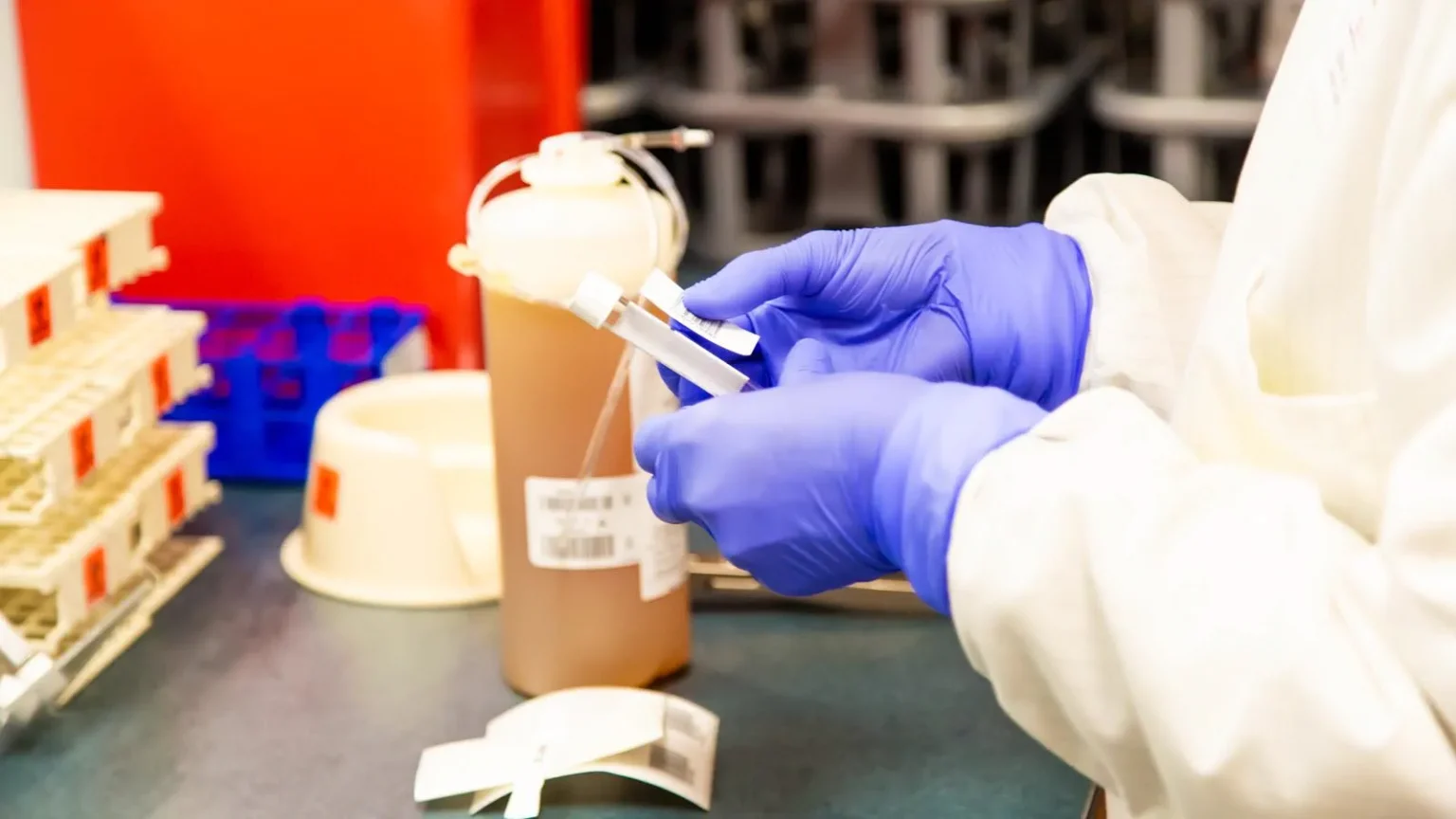
Utah plasma donation is one of those simple choices that can do a lot of good at once. It supports patients who rely on plasma-based therapies, gives donors a chance to contribute in a meaningful way, and in many cases offers compensation for the time spent at the center. For people who are curious but unsure, the process often sounds more intimidating than it really is. In practice, it is usually straightforward, carefully monitored, and easier to fit into a normal routine than many first-time donors expect.
Plasma is the pale yellow liquid in blood that carries proteins, nutrients, hormones, and antibodies throughout the body. It plays a major role in clotting, immune function, and the transport of essential substances. When plasma is collected from healthy donors, it can be used to create treatments for people with immune disorders, bleeding conditions, burn injuries, and other serious health issues. That is why Utah plasma donation matters. A single visit may feel like a small act, but it can contribute to therapies that improve or even save lives.
Why Utah Plasma Donation Matters
Many medical treatments depend on donated plasma. Unlike some medications that can be fully manufactured in a lab, plasma-based therapies begin with human donations. Patients with certain chronic conditions may need these therapies regularly, not just once. That creates an ongoing need for healthy donors and a steady supply of plasma.
This is what makes Utah plasma donation so important on a local and broader level. Donation centers depend on a reliable community of donors to meet demand. When more eligible people donate, treatment supply becomes more stable. That helps healthcare systems respond better to patient needs, especially for those who rely on long-term therapy.
There is also a human side to the process that can be easy to overlook. Donating plasma connects everyday people to a larger system of care. Most donors will never meet the patients their donation helps, but the impact is still real. For many people, that sense of purpose becomes one of the main reasons they continue donating.
Common Misunderstandings About Donating Plasma
A lot of people avoid donating because of things they have heard from friends, seen online, or simply assumed. In many cases, those concerns are based more on rumor than reality.
“It hurts too much”
This is one of the most common concerns. The truth is that plasma donation usually feels similar to a standard needle stick. There may be brief discomfort at the beginning, but the process is generally manageable for most donors. Staff members at donation centers perform the procedure regularly and are trained to make the experience as smooth as possible.
“It takes too long”
The first visit can take longer because of paperwork, screening, and health checks. After that, repeat visits are often much more efficient. Even when the full process takes some time, many donors find it easy to plan around work, school, or errands.
“It is risky”
Plasma donation is a regulated process. Centers use sterile equipment, trained staff, and screening procedures designed to protect both donors and recipients. Mild side effects can happen, but serious issues are uncommon when the donor is healthy and follows the center’s instructions.
“Only a few people qualify”
Many healthy adults are eligible. While there are age, weight, and health requirements, the pool of potential donors is broader than many people think. Utah plasma donation is open to more people than the myths suggest.
The Personal Benefits of Utah Plasma Donation
The main reason to donate may be helping others, but that is not the only benefit. Many people are pleasantly surprised by what they get out of the experience themselves.
Compensation for your time
At many plasma centers, donors receive payment for each donation. Compensation varies by location, donor profile, and center policies, but it can make the process especially appealing for students, part-time workers, or anyone looking for extra income. For some, Utah plasma donation becomes a practical side routine that also serves a larger purpose.
Some centers also offer promotions for first-time donors or bonuses for repeat visits. These details differ from one location to another, so it helps to ask ahead and understand how the system works before scheduling.
A built-in wellness check
Before donating, you typically go through a brief screening. This may include checking your temperature, pulse, blood pressure, and other basic health markers. It is not a replacement for regular medical care, but it does give you a quick snapshot of how you are doing that day.
A sense of purpose
Many donors come back because they feel good afterward, not just physically, but emotionally. Doing something concrete for others can be rewarding in a way that is hard to measure. Utah plasma donation gives people a chance to contribute to healthcare in a direct and practical way.
What to Expect at Your First Appointment
The first plasma donation is usually the one people worry about most. Once you know the steps, it feels much less uncertain.
Choosing a plasma donation center
Start by looking for a reputable center with strong reviews and clear communication. A good center should explain the process, answer questions, and make expectations easy to understand. Friendly staff and a clean environment can make a big difference, especially if you are nervous.
When comparing options for Utah plasma donation, it helps to look at location, hours, appointment availability, and donor reviews. Convenience matters. If the center is easy to reach and works with your schedule, you are more likely to have a positive experience.
The check-in process
When you arrive, you will usually need identification and may be asked to provide additional information related to your health history. First-time visits often involve more paperwork because the center needs to build your donor profile.
Screening and eligibility review
Before the donation begins, staff will check your basic vitals and ask health-related questions. This step is important because it helps make sure donation is safe for you and for the eventual recipient.
The donation itself
During the procedure, blood is drawn through a needle and passed through a machine that separates the plasma from the other blood components. The remaining components are returned to your body. This process is called plasmapheresis. You will sit in a reclining chair during the donation, and staff will monitor you throughout.
The procedure can take some time, especially on a first visit, so it helps to bring patience and plan accordingly. Many donors listen to music, scroll on their phones, or simply relax while the process is underway.
After the donation
Once the donation is complete, you may be offered water, juice, or a snack. This helps support recovery and gives your body a chance to settle before you leave. Most people can return to normal activities the same day, though it is smart to avoid pushing yourself too hard right away.
Who Can Donate Plasma
Eligibility matters because donation centers need to protect donor health while maintaining safe supplies for patients.
In general, plasma donors must be adults, meet a minimum weight requirement, and be in reasonably good health. Centers also review medical history, medications, and recent health events. Utah plasma donation follows screening standards that are meant to reduce risk and ensure proper collection procedures.
Some people may need to wait temporarily before donating. Recent illness, certain medications, low iron levels, or recent vaccinations can sometimes affect eligibility. That does not always mean a person is permanently disqualified. In many cases, it simply means waiting until the timing is right.
If you are unsure whether you qualify, the best move is to contact the center directly. They can explain their requirements and tell you what documentation or health information you may need to bring.
How to Prepare for Utah Plasma Donation
Preparation can make a noticeable difference in how you feel during and after the appointment.
Drink enough fluids
Hydration is one of the most important parts of preparing for plasma donation. Plasma itself contains a lot of water, so showing up well hydrated can help the process go more smoothly. Drinking water throughout the day before your visit is usually better than trying to catch up at the last minute.
Eat a balanced meal
It is a good idea to eat before donating. A meal with protein, healthy carbohydrates, and fluids can help support your energy and reduce the chance of feeling lightheaded.
Get enough rest
Being tired does not automatically disqualify you, but it can make the experience feel harder than it needs to. Rest gives your body a better starting point.
Follow center instructions
Every center may have slightly different guidelines. If they tell you to bring certain documents, avoid particular foods, or arrive at a certain time, follow that advice. Good preparation makes Utah plasma donation easier from beginning to end.
Possible Side Effects and Safety Considerations
For most healthy donors, plasma donation is safe. Still, it is important to be realistic about how your body may respond.
Some people feel tired, cold, or mildly lightheaded afterward. These effects are usually short-lived and improve with hydration, food, and rest. Bruising near the needle site can also happen.
The key is to pay attention to your body. If you are not feeling well before your appointment, it may be better to reschedule. If you feel unwell afterward, follow the center’s advice and rest. Donation should not feel like something you have to force.
It is also important not to donate more often than recommended. Plasma centers follow spacing guidelines for a reason. Your body needs time to recover and replenish what was donated. Utah plasma donation is most beneficial when it is approached responsibly.
Making Plasma Donation Part of Your Routine
For some people, donating plasma is a one-time experience. For others, it becomes a habit. Once the first visit is out of the way, the process usually feels more familiar and less stressful.
Repeat donors often get better at preparing beforehand. They know what to eat, when to hydrate, and how to plan around the appointment. That familiarity can make the process more comfortable over time.
There is also something motivating about turning a good intention into a regular action. Utah plasma donation allows people to help on an ongoing basis, not just once. Whether the reason is the cause, the compensation, or both, consistency can make the experience feel even more rewarding.
Final Thoughts
Utah plasma donation is more than a medical process. It is a practical, accessible way to support patients who depend on life-changing therapies. It also gives donors a chance to do something useful with their time while receiving compensation and basic health screening along the way.
For anyone who has been curious but hesitant, the best next step is simply to learn the process and prepare well. Most of the fear around donation comes from not knowing what to expect. Once the process is clear, many people find it much easier than they imagined.
If you are healthy, eligible, and looking for a meaningful way to make a difference, Utah plasma donation may be worth considering. A single visit can support someone else’s treatment, strengthen local donation efforts, and leave you with the sense that your time truly mattered.