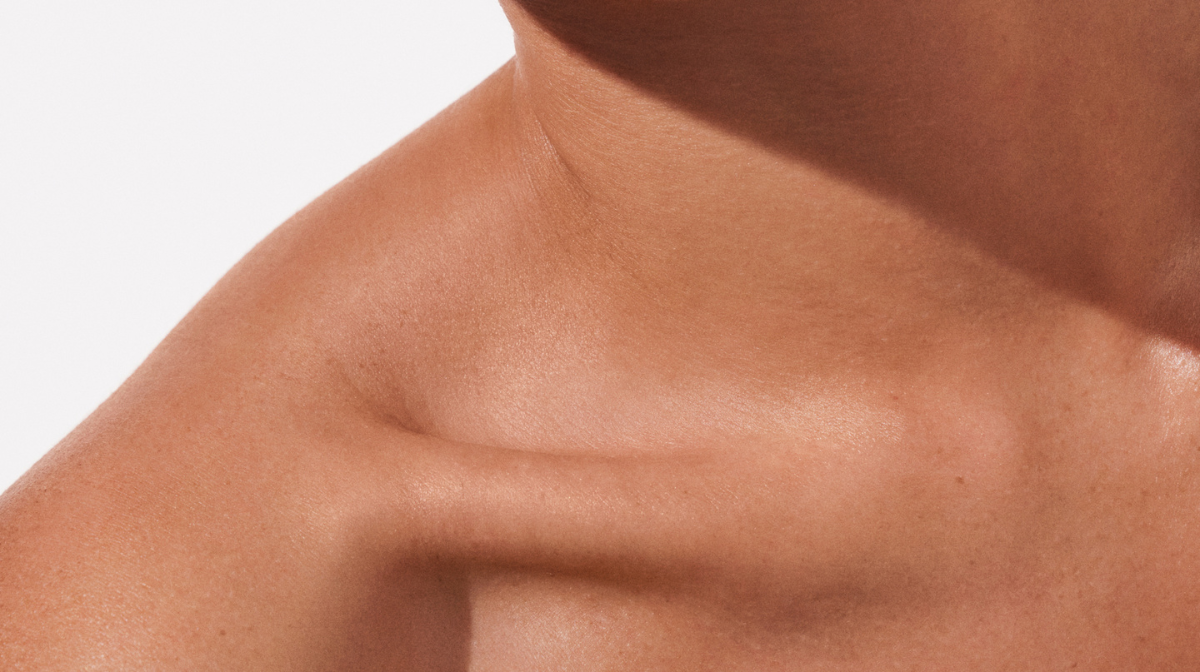
The skin barrier is one of the most vital parts of your body, yet it is often overlooked until it becomes damaged. This invisible shield protects you from environmental stressors, allergens, bacteria, and harmful irritants. When it is healthy, your skin looks smooth, hydrated, and glowing. However, once compromised, the skin can become dry, sensitive, itchy, and inflamed. Many people struggle with repairing their skin barrier and often wonder, how long skin barrier repair take, especially when using dermatologist-recommended treatments. Understanding the science of the skin barrier, what causes it to weaken, and how it heals is the key to restoring your skin’s natural balance.
Understanding the Role of the Skin Barrier
Your skin barrier, also called the stratum corneum, is the outermost layer of your skin. It is composed of tightly packed skin cells, natural lipids, and proteins that act like a protective wall. Think of it as a brick-and-mortar structure: the skin cells are the bricks, while lipids such as ceramides, fatty acids, and cholesterol are the mortar. Together, they keep hydration locked in while keeping irritants out.
When the barrier is intact, your skin feels soft, resilient, and healthy. However, modern lifestyles often put it under stress. Daily exposure to pollution, harsh skincare products, strong exfoliants, excessive sun exposure, and even changes in weather can break down this defense system. Once damaged, water loss increases, leading to dryness and sensitivity. This weakened state makes the skin more reactive to skincare products and environmental triggers.
Understanding this structure is crucial because the speed of healing depends on the extent of the damage. A mildly compromised barrier may bounce back in days, while a severely damaged one can take several weeks. Dermatologists emphasize that patience and the right care routine are essential to ensure effective skin recovery.
Factors That Affect Skin Barrier Recovery
When considering how long skin barrier repair take, it’s important to look at what caused the damage and what lifestyle factors may be slowing down the healing process. Every individual’s skin is unique, and recovery time varies from person to person.
The severity of barrier damage is the most critical factor. For instance, if you overused exfoliants like glycolic acid or retinoids, your skin may heal within 2 to 4 weeks once you stop the irritant and switch to a gentle routine. On the other hand, if the barrier damage was caused by chronic conditions like eczema, rosacea, or psoriasis, the repair process may take longer, sometimes months, with consistent treatment.
Your skincare routine also plays a huge role. Using harsh cleansers, over-washing, or layering too many active ingredients can prolong healing. Dermatologists recommend simplifying your routine when your barrier is compromised by focusing on hydration and protection. Products rich in ceramides, hyaluronic acid, niacinamide, and fatty acids help strengthen the barrier faster.
Lifestyle factors such as sleep, diet, and stress levels also contribute to the speed of recovery. Poor nutrition, lack of rest, and high stress can impair your body’s ability to repair the skin barrier. Eating foods rich in omega-3 fatty acids, antioxidants, and proteins can help rebuild the structure from within. Proper hydration is also critical since skin barrier health is closely tied to internal hydration levels.
Finally, external factors like climate and pollution affect healing. Living in dry, cold environments may slow down the process, while humid climates may speed it up since moisture helps support the skin barrier.
Dermatologist-Backed Timelines for Skin Barrier Repair
One of the most common questions asked in skincare clinics is how long skin barrier repair take after it is compromised. Dermatologists note that the timeline varies depending on the level of damage, the type of skin, and the steps taken to restore it.
For mild damage, such as sensitivity caused by over-cleansing or occasional exfoliant overuse, the barrier may begin to show signs of improvement within 3 to 7 days. Redness decreases, tightness subsides, and skin begins to feel more hydrated.
Moderate damage, which includes irritation from stronger active ingredients or frequent exposure to sun without protection, can take between 2 to 4 weeks to heal. During this time, it is important to avoid aggressive treatments and instead focus on barrier-repairing moisturizers and sunscreens.
Severe damage, often linked to medical skin conditions like eczema, prolonged steroid use, or chronic barrier disruption, may require 6 weeks or longer. In such cases, dermatologists may prescribe barrier-repair creams with medical-grade ceramides or recommend clinical treatments to restore balance.
The skin’s natural cell turnover cycle also plays a role in this timeline. On average, skin cells renew every 28 days in healthy adults, which means barrier repair is often closely tied to this cycle. However, age also affects recovery speed. Younger skin tends to heal faster, while mature skin may take longer due to slower cell turnover and reduced natural lipid production.
Dermatologists consistently emphasize that the healing journey should be gradual and supported by gentle care. Quick fixes or aggressive treatments often do more harm than good. Instead, adopting a patient approach ensures long-term resilience of the skin barrier
Effective Ways to Support Skin Barrier Repair
When addressing how long skin barrier repair take, the focus should not only be on waiting but also on actively supporting the healing process. Dermatologist-backed strategies ensure that the barrier recovers faster and stronger.
The first step is simplifying your skincare routine. Many people layer multiple serums, acids, and treatments, which can overwhelm the barrier. Switching to a minimalist approach with a gentle cleanser, a barrier-repairing moisturizer, and sunscreen is often the best strategy.
Moisturizers with ceramides are particularly effective because they replenish the natural building blocks of the skin barrier. Hyaluronic acid draws in hydration, while fatty acids and cholesterol reinforce the lipid structure. Niacinamide helps by reducing inflammation and improving barrier strength over time.
Sun protection is equally vital. Exposure to UV rays weakens the skin barrier further and delays healing. A broad-spectrum sunscreen applied daily prevents additional damage and creates an environment where the skin can repair itself more effectively.
Avoiding hot water is another important step. Long, hot showers strip the skin of natural oils, worsening dryness and irritation. Dermatologists recommend lukewarm water and gentle cleansing to preserve the natural barrier.
Dietary and lifestyle changes also support recovery. Omega-3 fatty acids from fish, flaxseeds, and walnuts help strengthen the lipid barrier. Antioxidants from fruits and vegetables reduce oxidative stress that impairs healing. Adequate sleep ensures the skin gets time to repair during its nightly regeneration cycle.
Finally, patience is key. Many people expect overnight results, but barrier repair is a biological process that takes time. By following consistent skincare and lifestyle adjustments, most people see noticeable improvements within weeks.
Long-Term Prevention and Building Resilient Skin
Once the barrier heals, the next question becomes how to maintain its health and prevent future damage. Since people frequently ask how long skin barrier repair take, dermatologists also stress the importance of prevention so that damage doesn’t reoccur.
Building resilient skin starts with choosing the right products. Gentle, pH-balanced cleansers prevent stripping natural oils. Avoiding harsh scrubs and limiting the use of strong chemical exfoliants reduces the risk of over-exfoliation. Instead, mild exfoliation once or twice a week helps maintain healthy turnover without weakening the barrier.
Consistent moisturization is a cornerstone of long-term skin barrier health. Even when the skin looks healthy, daily application of a nourishing moisturizer locks in hydration and maintains the lipid balance.
Sun protection should remain non-negotiable. Cumulative sun damage not only accelerates aging but also weakens the barrier over time. A broad-spectrum sunscreen with SPF 30 or higher, applied generously, helps preserve the skin’s integrity.
Stress management is another overlooked factor. Chronic stress releases cortisol, which impairs the skin’s ability to retain moisture and defend against irritants. Incorporating mindfulness practices, yoga, or simple breathing exercises can contribute to healthier skin over time.
Lastly, regular check-ins with a dermatologist ensure that your skincare routine evolves with your skin’s needs. As your skin changes with age, seasons, or lifestyle, professional guidance can help prevent damage and promote long-term resilience.
Conclusion
The question of how long skin barrier repair take does not have a one-size-fits-all answer, as it depends on the severity of the damage, lifestyle factors, and skincare practices. Mild damage can improve in days, while severe cases may take weeks or even months. With dermatologist-backed care, including a simplified routine, nourishing ingredients, sun protection, and healthy lifestyle choices, the skin barrier can recover and become more resilient. The journey requires patience, consistency, and mindful care, but the reward is healthy, glowing skin that can withstand daily challenges. By focusing on prevention and protection, you can ensure your skin barrier remains strong for years to come.